By Okagbue Aduba
I still remember the night as if it were pressed between the pages of my memory fragile, faded, but impossible to forget.
I was driving home from work, exhausted and eager for the comfort of my bed, when a police sergeant stepped into the road and raised his hand. His silhouette was framed by the dim glow of headlamps, the kind that cast more shadow than light. Checkpoints were ubiquitous then; improvised, unpredictable, and always waiting like traps set for ordinary Nigerians.
They rarely stopped criminals; those ones often slipped through after offering a few naira notes. But they stopped people like me, ordinary citizens, hardworking and often tired or simply finding ways to make respectable living.
My car was unmistakable: bright white, with CLASSIQUE Magazine emblazoned across the hood and doors. I passed that checkpoint every night. They knew me. Or so I thought.
The sergeant demanded my papers. I handed them over. He asked me to open my trunk. I complied. Then he pointed at my portable typewriter, there were no laptops in those days, and asked for its receipt. I told him I didn’t carry receipts for work tools. He seized my documents. At that point I was getting a bit exasperated and I sarcastically asked, “do you carry a receipt for your gun?”
The world froze. His face twisted with fury. He waved the gun, shouting, “Who are you?” The night air thickened with danger. I felt my heartbeat in my throat. In that moment, I understood how fragile life could be in the hands of a man who had been failed by the very country he was meant to serve.
I found his superior, an inspector, standing a few feet away. I walked to him slowly, deliberately, as if any sudden movement might trigger a tragedy. He listened, nodded, and ordered the sergeant to return my documents. Relief at last and I drove away with trembling hands.
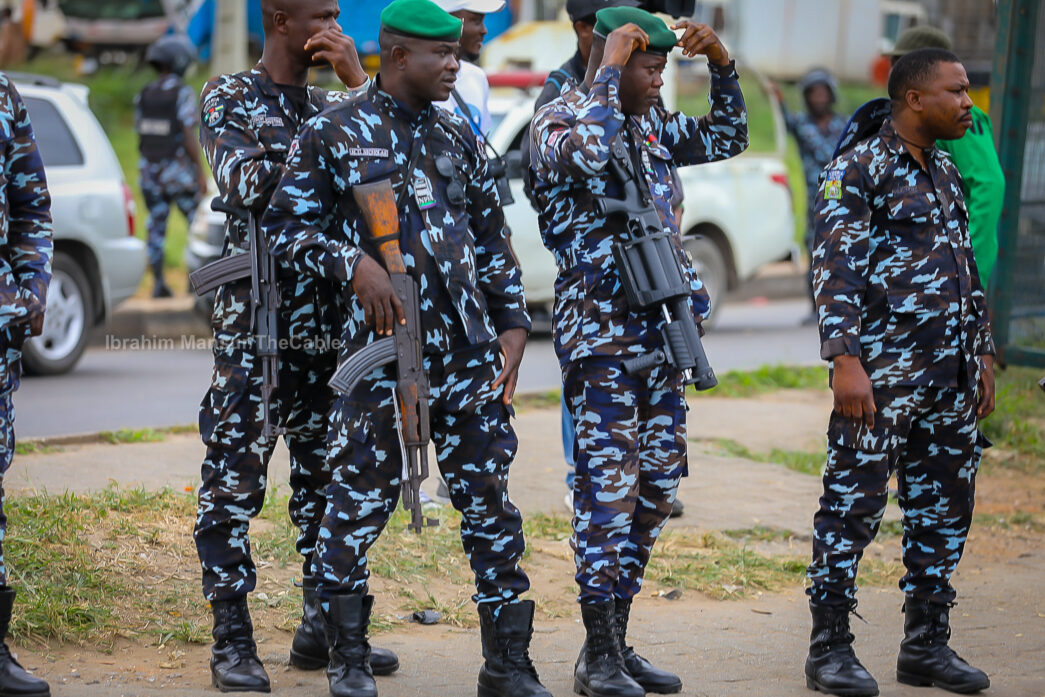
Years later, I still recoil at my own foolishness. But I also understand something deeper now: that sergeant was not the villain of the story. He was a symptom. Nigeria had not done well by him. He was ill‑equipped, ill‑trained, ill‑motivated, and likely not educated enough to know better. We condemn our policemen for behaviors shaped by a system that starves them of dignity. The culture of “Wetin you carry?” and “something for the boys” did not arise from personal greed alone; it was born from institutional abandonment.
These memories resurfaced recently as talk of constitution amendment to establish state police gained momentum. The idea sounds noble. It feels like a solution. But it is built on a dangerous illusion.
People imagine that state police will magically reduce crime, restore order, and fix everything broken in the Nigeria Police Force. They believe decentralization will cure corruption, incompetence, and inefficiency. But the truth is simpler and sadder: a police force cannot rise above the society that creates it.
If bribery is normal, it will be normal in the police. If shortcuts define daily life, they will define policing. If impunity is rewarded, it will flourish in uniform.
State police will not import angels. They will recruit Nigerians, the same Nigerians who have learned to navigate a system where cheating is survival and honesty is a ludicrous luxury.
Some proponents argue that state police will improve command and control. But command is meaningless without communication systems, emergency numbers, rapid response units, and modern equipment. Do we have these? Even if we revived the 999 system, do states have the resources to sustain it? Many cannot pay salaries. How will they fund a police force capable of confronting kidnappers, terrorists, and criminals who operate with military‑grade sophistication?
We are trying to fix a broken roof by repainting the walls. If Nigeria truly wants to reduce crime, we must begin with ourselves. Our leaders must reject graft, kleptocracy, the stealing and selfishness that feed the gluttony of the elite, crap incompetence in statecraft, and vulgar display of unearned wealth. They must build industries, revive infrastructure, invest in education, healthcare, agriculture, and create opportunities for millions of young Nigerians who wake up every day to a future that feels like a locked door, bleak and with obstacles stacked against them.
Crime grows where hope dies. No number of federal or state police agencies, no number of SSS, EFCC and all the other alphabet security agencies can compensate for a nation that refuses to nurture its people.
State police will not save Nigeria. Only justice, equity, and opportunity can.
Okagbue Aduba was pioneer Editor of THISDAY daily newspaper.