The Federal Government has reiterated that no qualified Nigerian student will be denied access to higher education due to financial hardship, citing student-focused policy reforms and over ₦1 trillion in funding allocated across tertiary institutions.
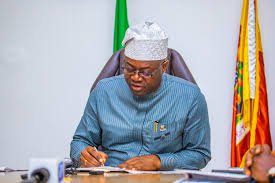
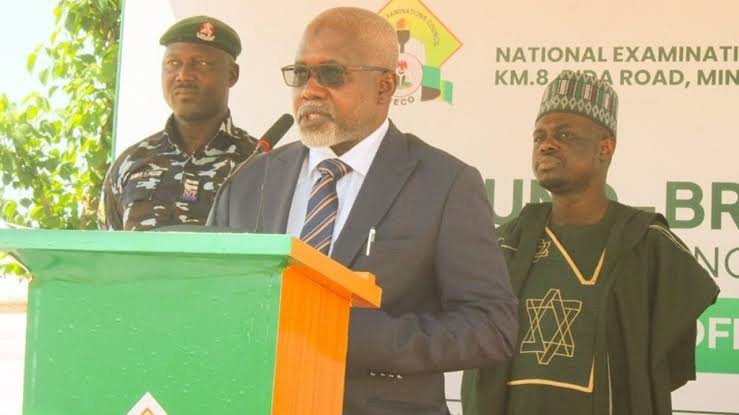
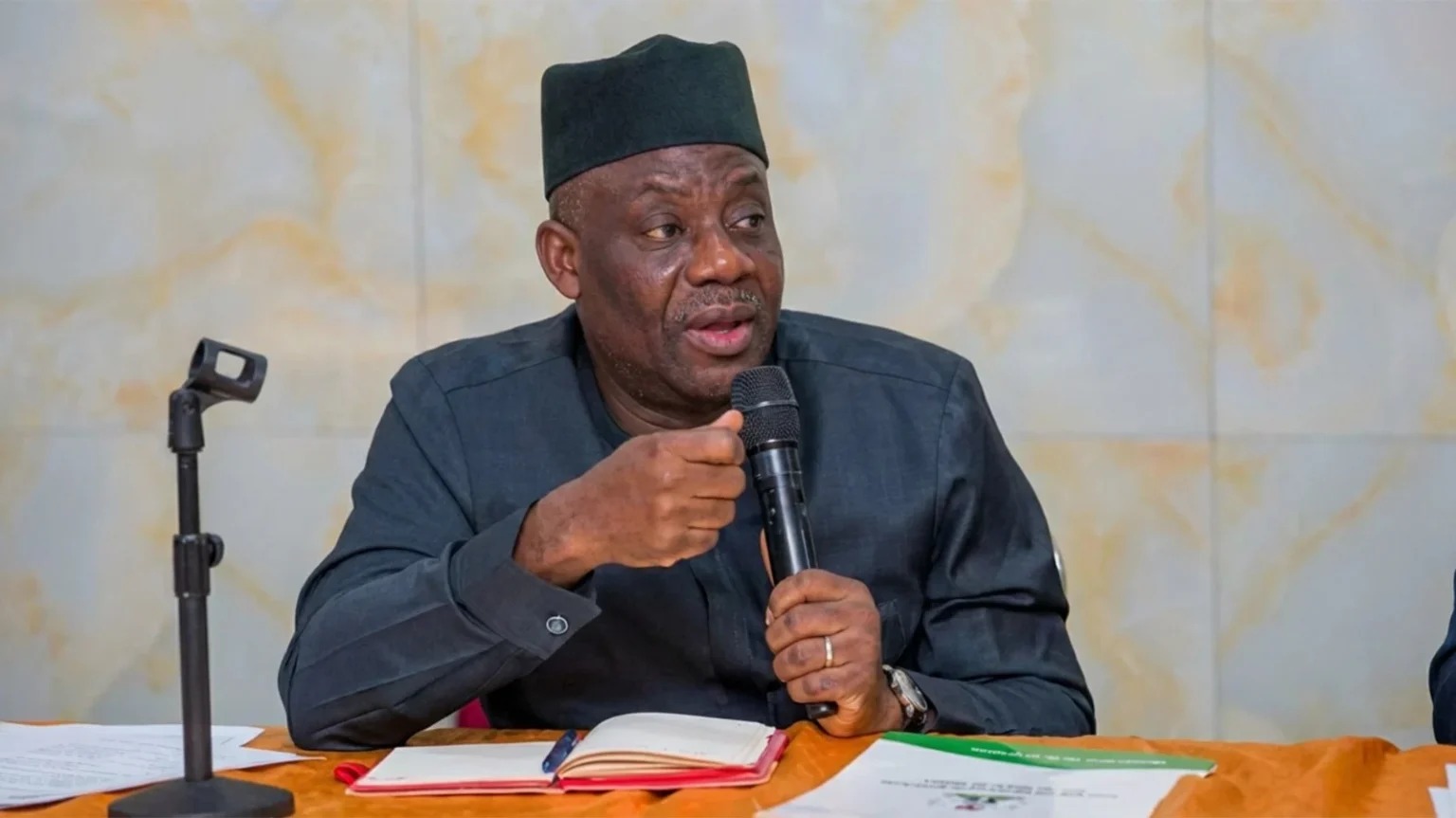
Speaking during a meeting in Abuja on Tuesday, July 28, 2026, the Minister of Education, Dr. Tunji Alausa, assured the public that President Bola Ahmed Tinubu’s administration has systematically dismantled financial barriers to higher learning through strategic investments in universities, polytechnics, and colleges of education.
In a statement signed by his Special Adviser on Media and Communications, Ikharo Attah, the Minister emphasized that human capital development remains at the core of the administration’s economic blueprint.
”This President, President Bola Ahmed Tinubu, has opened up access to students so that not having money, or coming from an indigent family, or your parents being poor, will no longer stop you from achieving the opportunities you can achieve in life. Education is no longer a barrier for students in this country,” Alausa stated.
He highlighted key interventions including the Nigerian Education Loan Fund (NELFUND), designed as a sustainable financial backbone to support students throughout their academic careers regardless of socio-economic background.
There is Over ₦1 Trillion Infrastructure & Reform Capital in direct allocation across federal and state universities, polytechnics, and colleges of education. With the NELFUND Sustainability backed by Institutional structures embedded to ensure student financial aid continues long past the current administration.
The expansion in healthcare and enrolment into nursing programs has grown from 20,000 to approximately 50,000 students annually, alongside expanded admissions for medicine, pharmacy, and dentistry.
Nigerian public universities recognized in global rankings (such as the Times Higher Education World University Rankings) rose from 21 to 24 institutions.
Dr. Alausa noted that expanding access to higher education is central to President Tinubu’s vision of building a $1 trillion economy by 2030 by transforming Nigeria’s youthful population into a globally competitive workforce.
”We want to be the manpower supplier of the world. We need to produce competent, skilled, and educated young Nigerians who will drive our economy, contribute to Africa’s growth, and compete successfully across the world,” the Minister added, reaffirming the government’s commitment to industrial stability and sustained dialogue within the education sector.