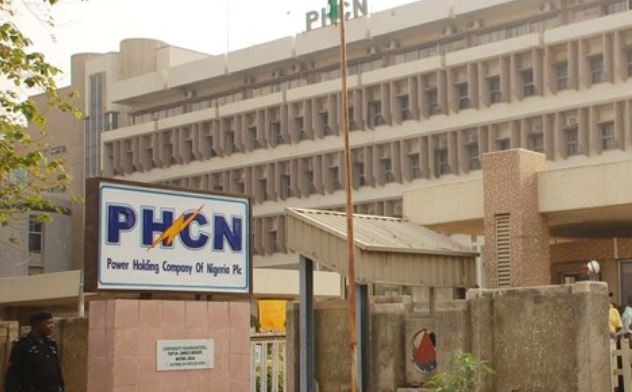
Former workers of the defunct Power Holding Company of Nigeria (PHCN) have renewed their appeal to the Federal Government, claiming they are still being owed significant terminal benefits and entitlements years after the privatization of the nation’s power sector.
Speaking on behalf of the aggrieved retirees in Abuja on Thursday, July 16, 2026, a prominent leader of the Concerned Ex-PHCN Staff Forum, Comrade Joseph Dunmoye, stated that thousands of families have been thrown into severe economic hardship due to the non-payment of these statutory allocations.
According to Dunmoye, the outstanding financial obligations left unfulfilled by the government include a 16 months’ unpaid salaries, arrears arising from the transition period leading up to the official handover of the utility infrastructure and 10 Per Cent Equity Entitlement, the promised equity share allotted to the staff during the power sector privatization process.
The former power sector workers lamented that despite multiple verification exercises conducted by the Bureau of Public Enterprises (BPE) and the Pension Transitional Arrangement Directorate (PTAD), the core of their financial packages remains trapped in bureaucratic bottlenecks.
”Many of our colleagues have passed away without tasting the fruits of their labor, leaving behind helpless widows and orphans,” Dunmoye said during the briefing. “We have been pushed to the wall. The government claims to have released funds for pension adjustments and arrears, yet the actual beneficiaries are seeing nothing but technical delays and endless payroll synchronizations.”
The forum noted that if the Federal Ministry of Finance and the BPE fail to address the critical shortfall and fast-track the disbursement of the 10% equity shares, the ex-workers will have no choice but to stage a peaceful nationwide protest.
The retirees are calling on the presidency to intervene directly, review the circulars stalling their payments, and mandate an immediate settlement of the 16 months’ arrears to mitigate the ongoing hardship faced by the defunct utility’s workforce.