The Federal Government has reaffirmed its commitment to strengthening collaboration with private and independent health research institutions as part of efforts to improve disease surveillance, combat existing infectious diseases and prevent future outbreaks across Nigeria.
The renewed commitment is aimed at enhancing the country’s health security architecture by leveraging the expertise, innovation and research capacity of independent institutions to complement government efforts in disease prevention, early detection and emergency response.
The Director General of the Nigeria Centre for Disease Control and Prevention, Jide Idris, stated this during a high-level technical visit to the Kano Independent Research Centre Trust in Kano on Wednesday.
The visit formed part of ongoing engagements by the NCDC leadership with key stakeholders in Nigeria’s public health and research ecosystem to strengthen partnerships capable of improving disease surveillance, scientific research and outbreak preparedness.
Speaking during the visit, Idris stressed that collaboration between government agencies and independent research institutions remains essential in addressing the country’s evolving public health challenges.
According to him, Nigeria can build a more resilient healthcare system by fostering stronger partnerships with institutions engaged in cutting-edge medical and public health research.
He said the NCDC would continue to deepen its collaboration with the Kano Independent Research Centre Trust and other independent and private health research institutions across the country to improve Nigeria’s capacity to detect, prevent and respond to infectious disease threats.
“We are also pushing for more collaborations with various state governments to support them in detecting and controlling factors that could lead to disease outbreaks,” Idris said.
The NCDC Director General explained that stronger cooperation with state governments would enhance disease surveillance at the grassroots, improve the reporting of public health events and strengthen emergency preparedness across the federation.
He noted that many disease outbreaks can be prevented through timely detection, effective monitoring and coordinated interventions involving all levels of government and relevant health institutions.
Idris observed that Nigeria continues to face both endemic and emerging infectious diseases, making sustained investment in research, laboratory capacity and epidemiological surveillance increasingly important.
He added that independent research organisations possess valuable technical expertise that can contribute significantly to the development of evidence-based policies and innovative approaches to disease prevention and control.
According to him, the Federal Government is committed to creating an enabling environment that encourages scientific research and promotes collaboration among public institutions, private organisations, universities and development partners.
He further stated that improving health security requires continuous investment in research, workforce development, laboratory infrastructure and rapid response mechanisms capable of containing outbreaks before they spread widely.
The NCDC boss also emphasised the importance of knowledge sharing, data exchange and joint research initiatives in strengthening Nigeria’s public health system.
He said partnerships with institutions such as KIRCT would help generate high-quality scientific evidence needed to guide government policies, improve healthcare delivery and protect communities from infectious diseases.
Officials at the research centre highlighted the importance of sustained collaboration between government and research
institutions, noting that scientific innovation remains central to addressing both current and future health challenges.
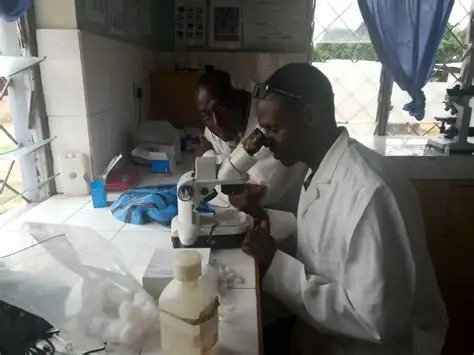
They expressed readiness to continue supporting national efforts through research, laboratory services, disease surveillance and the training of healthcare professionals.
The visit also provided an opportunity for discussions on expanding joint research projects, strengthening laboratory networks and improving coordination between the NCDC and independent health institutions in responding to disease outbreaks.
Public health experts have consistently advocated closer cooperation between government agencies and research organisations, arguing that such partnerships are critical for improving epidemic preparedness, enhancing diagnostic capacity and developing locally driven solutions to public health challenges.
The Federal Government’s renewed commitment comes at a time when countries around the world are placing greater emphasis on preparedness for future pandemics and strengthening health systems capable of responding swiftly to emerging disease threats.
By deepening partnerships with private and independent health research institutions, the government hopes to build a stronger, more resilient public health system that can effectively safeguard the lives and well-being of Nigerians while enhancing the country’s overall capacity to prevent and manage disease outbreaks.