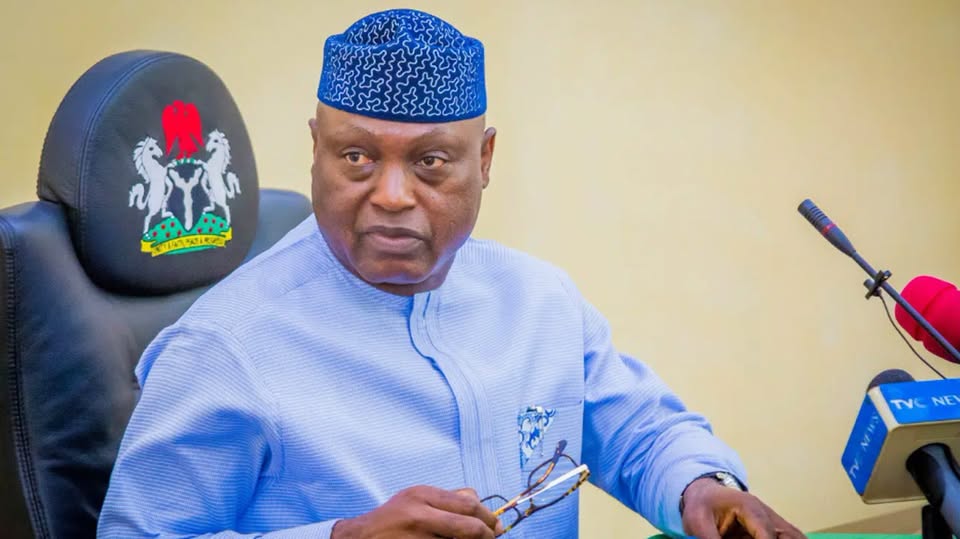
The British High Commission in Abuja has congratulated Ekiti State Governor, Biodun Oyebanji, on his re-election while drawing attention to concerns surrounding vote trading, technical issues involving the Bimodal Voter Accreditation System (BVAS), and challenges faced by persons with disabilities during the conduct of Saturday’s governorship election.
The diplomatic mission made its position known in a statement released on Monday, offering both commendation and constructive observations on the electoral process that returned Oyebanji to office for another term.
The election, which attracted national attention, was conducted across the 16 local government areas of Ekiti State and culminated in a decisive victory for the incumbent governor of the All Progressives Congress (APC).
According to the official results announced by the Independent National Electoral Commission, Oyebanji secured 319,224 votes to emerge winner of the contest.
His closest challenger, Wole Oluyede of the Peoples Democratic Party (PDP), polled 40,533 votes, while Dare Bejide of the African Democratic Congress (ADC) garnered 12,872 votes.
The outcome further strengthened the APC’s political hold on the state and was celebrated by supporters across Ekiti following the declaration of results.
In its statement, the British High Commission praised the people of Ekiti for their active participation in the democratic process and their commitment to exercising their civic responsibilities.
“The British High Commission in Abuja congratulates the voters in Ekiti State for their participation in the Governorship election held on 20 June 2026 and for their commitment to exercise their democratic rights. We also offer our congratulations to Governor Abiodun Abayomi Oyebanji of the All Progressives Congress (APC) on his re-election,” the statement said.
The mission also commended the overall conduct of the election, noting that the process was largely peaceful and orderly.
It specifically acknowledged the roles played by INEC, security agencies, election officials, political parties, civil society groups, and other stakeholders who contributed to the successful organization of the exercise.
“We welcome the peaceful and orderly delivery of the election by the Independent National Electoral Commission (INEC), security agencies and other stakeholders,” the statement added.
Despite its positive assessment of the general conduct of the election, the High Commission identified several areas of concern that it believes require attention as Nigeria continues efforts to strengthen its electoral system.
Among the issues highlighted was the persistent problem of vote trading, a challenge that has repeatedly surfaced in electoral contests across the country.
The practice, which involves the exchange of money or material inducements for votes, has long been criticised by election observers, anti-corruption advocates, and democracy campaigners who argue that it undermines the integrity of elections and weakens public confidence in democratic institutions.
The British mission indicated that reports of vote buying and vote selling during the Ekiti election remained a source of concern despite broader improvements in electoral administration.
The High Commission also referenced technical difficulties associated with the use of the Bimodal Voter Accreditation System, a technological innovation introduced by INEC to enhance transparency, improve voter verification, and reduce electoral fraud.
While BVAS has been widely praised for strengthening the credibility of elections, observers noted that technical glitches in some polling units affected the accreditation process and created delays for voters.
Election experts have repeatedly stressed the need for continuous upgrades, testing, and training to ensure the technology functions effectively during future elections.
Another major concern raised by the British mission was the accessibility of polling units for persons living with disabilities.
The statement suggested that barriers still exist for many citizens with disabilities who wish to participate fully in the electoral process.
Advocates for disability rights have consistently called for improved infrastructure, voter education materials in accessible formats, and better arrangements at polling centres to guarantee equal participation for all eligible voters.
The concerns raised by the High Commission align with broader conversations about electoral inclusiveness and the need to ensure that no segment of society is excluded from democratic participation.
Political analysts say the observations contained in the statement should not necessarily be viewed as a condemnation of the election but rather as recommendations aimed at strengthening future electoral processes.
Many observers noted that international missions often assess both the successes and shortcomings of elections in order to encourage reforms and reinforce democratic standards.
The congratulatory message to Governor Oyebanji has also been interpreted as recognition of the electoral outcome and the will of voters as expressed through the ballot.
For the governor, the victory represents a significant endorsement of his administration and development agenda. Supporters argue that the election results reflect public confidence in his leadership and policy direction.
Meanwhile, opposition parties are expected to review the conduct and outcome of the election while considering their next political steps.
As discussions continue regarding the observations made by the British High Commission, attention is likely to shift toward lessons learned from the Ekiti governorship election and how they can inform preparations for future polls across Nigeria.
The election has once again highlighted both the progress made in electoral management and the challenges that remain. While the peaceful conduct of the exercise earned praise from observers, concerns over vote trading, technology-related difficulties, and accessibility issues underscore the continuing need for reforms.
For many stakeholders, the ultimate goal remains the creation of an electoral system that is transparent, inclusive, credible, and capable of fully reflecting the democratic aspirations of all Nigerians.