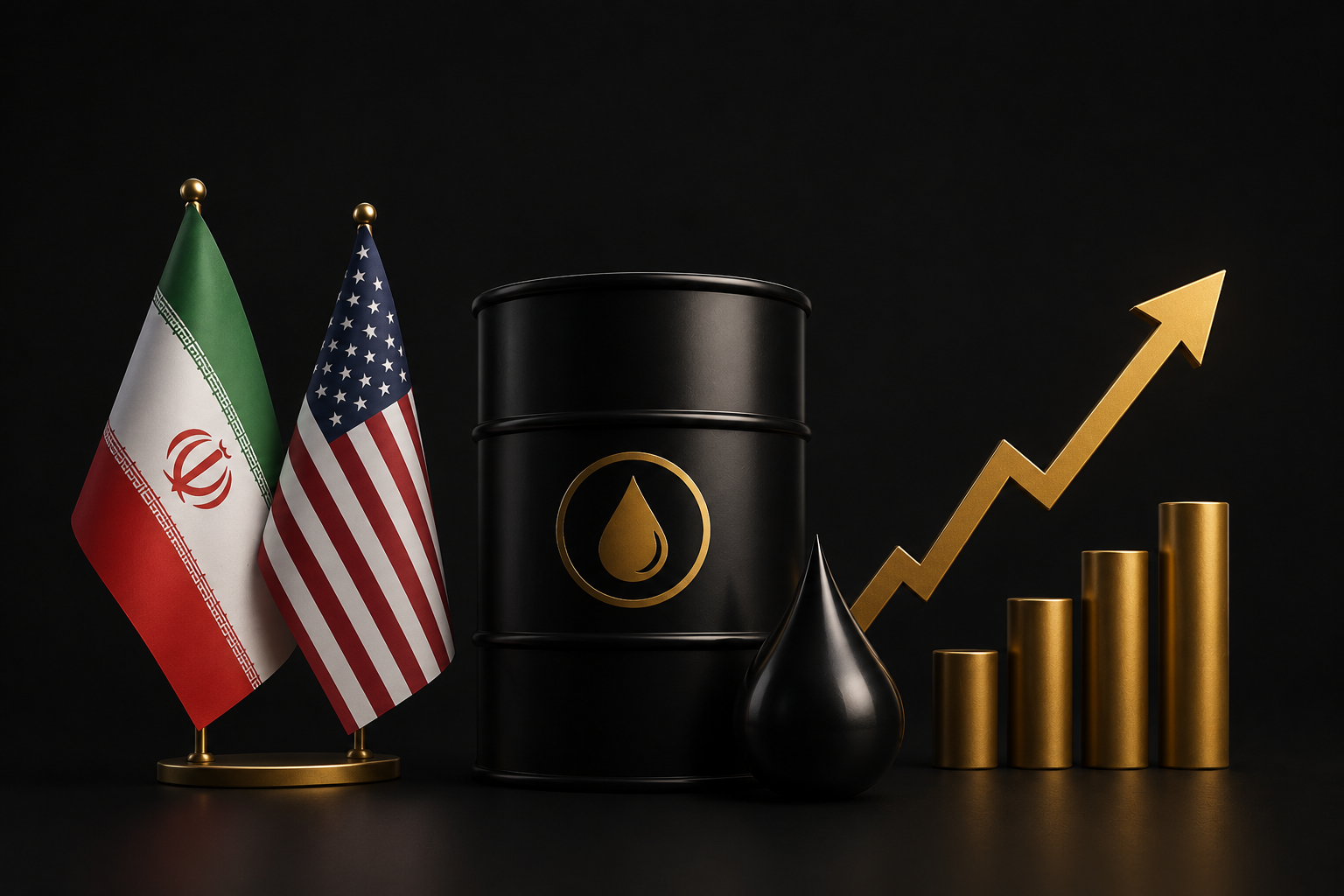
Global oil prices retreated on Monday as renewed diplomatic engagement between the United States and Iran boosted investor confidence and eased fears of a prolonged conflict in the Middle East, while stock markets around the world delivered a mixed performance amid cautious optimism.
The decline in crude prices followed the commencement of high-level negotiations between Washington and Tehran in Switzerland, where officials from both countries met in an effort to reduce tensions and establish a framework for a broader agreement aimed at maintaining regional stability.
The talks, which had initially been scheduled for Friday, were postponed due to escalating hostilities between Israel and Hezbollah that threatened to derail diplomatic efforts and deepen uncertainty across international markets. However, negotiators eventually convened on Sunday, with the American delegation led by US Vice President JD Vance and the Iranian team headed by Mohammad Bagher Ghalibaf.
The meeting represented one of the most significant diplomatic engagements between the two nations in recent months and came amid growing international pressure to prevent further escalation in a region that plays a crucial role in global energy supplies. According to mediators involved in the discussions, the talks were productive and resulted in the development of what they described as a “roadmap” toward a final agreement.
The announcement immediately lifted market sentiment, prompting traders to scale back concerns over potential disruptions to oil production and transportation routes in the Middle East. Investors have remained particularly sensitive to developments in the region after recent clashes between Israel and Hezbollah triggered sharp increases in crude oil prices.
The violence had raised fears that a broader conflict could threaten key shipping lanes and energy infrastructure, potentially disrupting supplies and driving inflation higher worldwide. The surge in energy costs during the height of the crisis sent shockwaves through financial markets, reigniting concerns among policymakers and businesses already grappling with economic uncertainties.
With the announcement of a pause in hostilities between the two rivals, however, traders became increasingly hopeful that diplomatic efforts could prevent the conflict from spreading further. Market analysts noted that the easing of tensions helped reduce the geopolitical risk premium that had been built into oil prices over recent weeks.
The positive mood in energy markets was briefly challenged by reports suggesting that Iran had considered withdrawing from the negotiations following comments by US President Donald Trump. Trump had warned that additional military strikes could be launched if Hezbollah resumed attacks against Israel, a statement that reportedly generated concern among Iranian officials and raised questions about the future of the diplomatic process.
The reports initially unsettled investors, who feared the negotiations could collapse before meaningful progress had been achieved. However, those concerns were largely alleviated after mediators from Pakistan and Qatar confirmed that the discussions proceeded as planned. In a joint assessment, the mediators described the talks as taking place in a “positive and constructive atmosphere,” a characterization that helped reassure financial markets and strengthen confidence in the possibility of a diplomatic breakthrough.
The involvement of Pakistan and Qatar has been viewed as particularly important, given both countries’ longstanding relationships with key stakeholders in the region and their roles in facilitating dialogue during previous periods of tension. Financial markets responded cautiously to the developments.
While lower oil prices provided relief for businesses and consumers concerned about rising energy costs, investors remained watchful for signs of concrete progress from the negotiations. Equity markets reflected this cautious stance, with some indexes recording gains on hopes of reduced geopolitical risks, while others traded lower as investors weighed ongoing uncertainties surrounding the talks and the broader economic outlook.
Economists pointed out that a sustained decline in oil prices could help ease inflationary pressures that have troubled many economies in recent years. Lower energy costs typically reduce transportation and manufacturing expenses, potentially benefiting consumers through lower prices for goods and services. Central banks around the world are also likely to monitor the situation closely, as energy prices remain a major factor influencing inflation trends and monetary policy decisions.
Meanwhile, diplomatic observers cautioned that significant challenges remain before any final agreement can be reached. Decades of mistrust between the United States and Iran, coupled with complex regional dynamics, mean that negotiations are likely to face obstacles despite the encouraging start.
Nonetheless, the willingness of both sides to return to the negotiating table has been welcomed by governments, international organizations, and market participants seeking greater stability in a region that remains central to global energy security. For now, investors appear encouraged by signs of progress and the prospect that diplomacy may succeed in reducing tensions that recently threatened to trigger a wider regional crisis.
As negotiations continue, the outcome of the talks is expected to have far-reaching implications not only for the Middle East but also for global energy markets, international trade, and the broader world economy.