Ghana on Thursday took a major step in the global campaign for reparatory justice by hosting a landmark international conference aimed at transforming growing political support for slavery reparations into practical commitments and meaningful action.
The conference, which attracted government officials, diplomats, academics, civil society leaders and representatives of the African diaspora, focused on advancing discussions surrounding reparations for the transatlantic slave trade and its enduring impact on millions of people of African descent across the world.
The gathering came just months after the United Nations adopted a historic resolution in March recognizing the transatlantic slave trade as “the gravest crime against humanity.” The resolution marked a significant milestone in decades-long efforts by African nations and advocacy groups to secure international recognition of the historical injustices associated with slavery and colonial exploitation.
Speaking at the conference, Ghana’s Foreign Affairs Minister, Samuel Ablakwa, described the event as a crucial moment in the global pursuit of justice, accountability and healing. According to him, the momentum generated by the United Nations resolution has created a unique opportunity for countries, institutions and international organizations to move beyond symbolic declarations and engage in meaningful conversations about restorative justice.
Ablakwa said the campaign for reparatory justice has gained unprecedented global attention since the adoption of the UN resolution, noting that increasing numbers of governments, scholars and advocacy groups are now openly discussing ways to address the consequences of slavery. “The conversation has moved beyond acknowledgment of historical wrongdoing.
The world is increasingly recognizing the need for practical measures that can help address the lasting social, economic and psychological effects of the transatlantic slave trade,” he stated. The conference highlighted Ghana’s growing leadership role in championing reparations for Africa and people of African descent.
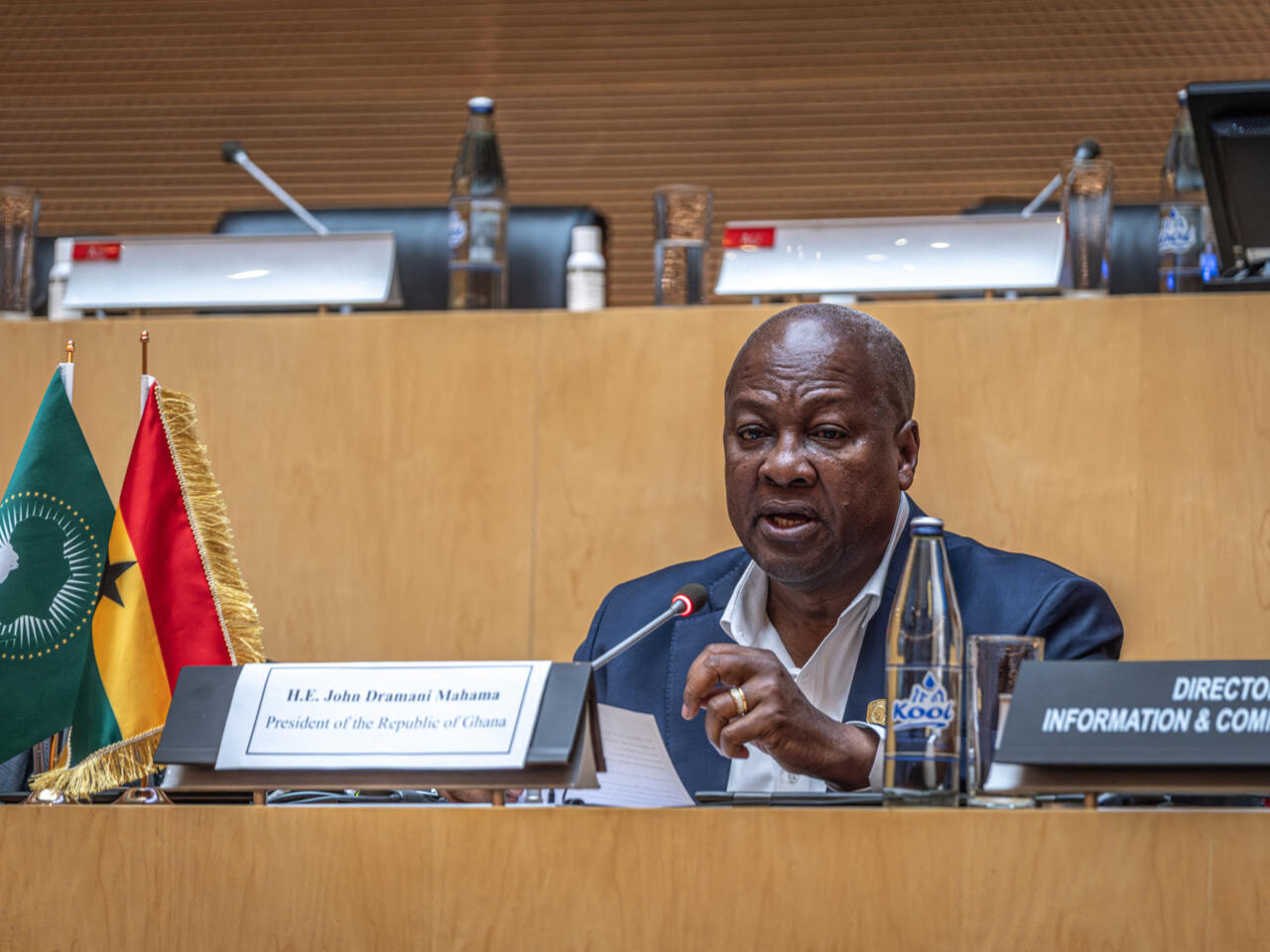
Under the leadership of President John Mahama, Ghana has emerged as one of the strongest voices advocating international recognition of slavery as a crime whose effects continue to shape inequalities and developmental challenges in many parts of the world. President Mahama was widely credited for supporting efforts that contributed to the passage of the landmark UN resolution.
Although the resolution is not legally binding, observers say it represents one of the strongest international acknowledgments yet of the devastating legacy of the slave trade. Unlike previous declarations that largely focused on historical recognition, the March resolution goes further by encouraging nations that participated in or benefited from the transatlantic slave trade to engage in restorative justice initiatives.
Such initiatives may include formal apologies, educational programs, cultural restoration projects, economic partnerships and other measures designed to address historical injustices. Participants at the conference emphasized that reparations should not be viewed solely in terms of financial compensation.
Instead, they argued that reparatory justice encompasses a broad range of actions aimed at repairing the damage caused by centuries of human exploitation, displacement and discrimination. Several speakers noted that the consequences of slavery remain visible in modern societies through persistent racial inequalities, economic disparities and barriers to development faced by many communities of African descent.
Experts attending the conference pointed out that millions of Africans were forcibly removed from their homelands during the transatlantic slave trade, leading to profound social and economic disruptions whose effects have been felt across generations. The conference also examined legal, historical and moral arguments supporting reparations.
Scholars presented research highlighting how wealth accumulated through slavery contributed significantly to the development of many Western economies, while African societies suffered population losses, economic setbacks and political instability. Civil society groups used the occasion to call for stronger international cooperation in addressing historical injustices.
They urged former colonial powers and countries linked to the slave trade to engage constructively with African governments and diaspora communities in developing frameworks for reparatory justice. Representatives of African diaspora organizations described the conference as an important platform for amplifying the voices of descendants of enslaved people who continue to advocate recognition and redress for historical wrongs.
Many participants stressed that reparations should be understood not as punishment for present generations but as a process of acknowledging responsibility, fostering reconciliation and creating opportunities to address inequalities rooted in historical injustices.
The conference also explored possible pathways toward implementation, including educational exchanges, investments in affected communities, cultural heritage preservation and initiatives aimed at strengthening economic cooperation between Africa and the global African diaspora.
Observers noted that while significant political and diplomatic challenges remain, the growing international attention surrounding reparations suggests that the issue is increasingly becoming part of mainstream global discourse. The United Nations resolution has already sparked renewed debates in various countries about their historical involvement in slavery and the responsibilities that may arise from that legacy.
Several institutions, including universities, churches and private organizations, have in recent years acknowledged historical ties to slavery and launched initiatives aimed at addressing those connections. For Ghana, the conference reinforced its longstanding commitment to promoting historical justice and strengthening relationships with African-descended communities around the world.
The country has in recent years launched several initiatives designed to reconnect members of the African diaspora with the continent and encourage investment, cultural exchange and collaboration. As discussions concluded, participants expressed optimism that the conference would help translate political goodwill into tangible action.
They agreed that while the road toward reparatory justice may be complex, continued dialogue and international cooperation remain essential in addressing one of humanity’s darkest chapters.
The conference ended with renewed calls for nations, international organizations and global institutions to move beyond expressions of regret and embrace practical measures capable of promoting healing, reconciliation and justice for communities affected by the enduring legacy of the transatlantic slave trade.
For many attendees, the event represented not only a reflection on history but also a forward-looking effort to build a more equitable future grounded in truth, accountability and shared humanity.