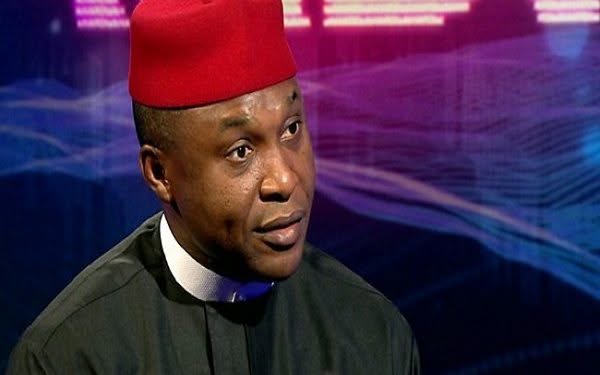
Former Minister of Aviation, Osita Chidoka, has strongly criticized the tightening grip of stringent bail conditions in the Nigerian judicial system, describing them as “unrealistic, prohibitive, and humiliating.”
In a statement addressing the growing trend of unreachable bail terms set by courts, Chidoka warned that the practice undermines the fundamental human rights of citizens and subverts the constitutional presumption of innocence.
Chidoka expressed deep concern over how bail, traditionally a legal mechanism to guarantee a defendant’s appearance in court has seemingly transformed into a punitive tool used to keep individuals in prolonged custody before conviction.
”Bail should not be an unattainable luxury or a tool for institutional humiliation,” Chidoka stated. “When the conditions set by judges are practically impossible to meet, it defeats the very essence of justice and reduces the judiciary to an instrument of oppression.”
He argued that demanding multi-million naira bonds, landed properties in specific high-brow metropolitan areas, or top-tier civil service directors as sureties places an unfair burden on defendants, particularly those from humble backgrounds.
Chidoka emphasized that every accused person is presumed innocent until proven guilty under Section 36 of the Nigerian Constitution. Prohibitive bail effectively punishes individuals before their trial concludes.
With Nigerian correctional facilities already severely overcrowded, the former minister noted that unrealistic bail terms only worsen the crisis by flooding prisons with awaiting-trial inmates.
The current trend, he argued, creates a systemic imbalance where wealthy defendants can easily buy their freedom while less privileged citizens languish in jail for identical offenses.
The former minister called on the leadership of the judiciary, including the Chief Justice of Nigeria (CJN) and the National Judicial Council (NJC), to intervene and establish clearer, more humane guidelines for judges.
Chidoka urged judicial officers to exercise their discretion with a sense of realism and empathy, balancing the need for judicial appearance with the preservation of human dignity.
”The judiciary must remain the last hope of the common man,” Chidoka concluded. “To maintain public trust, our courts must ensure that the scales of justice are balanced, fair, and accessible to all, not just the elite.”