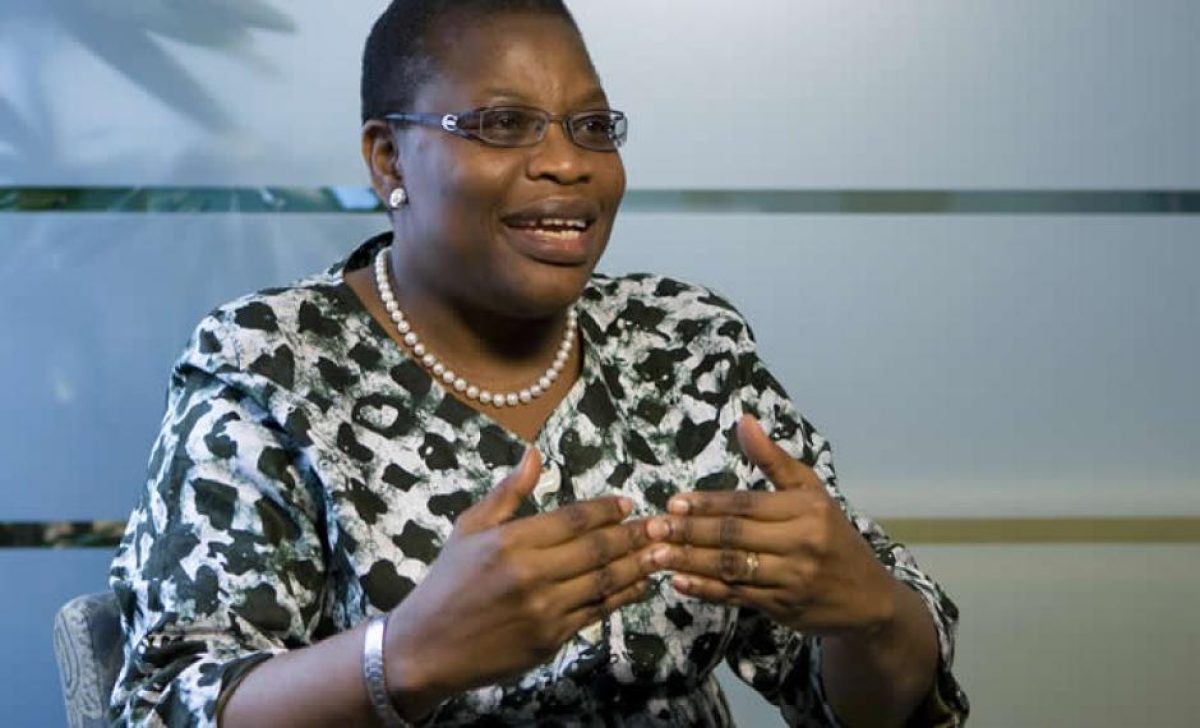
Former Minister of Education, Oby Ezekwesili, has defended the General Overseer of the Redeemed Christian Church of God, Enoch Adeboye, against growing criticism that he has remained silent in the face of Nigeria’s worsening insecurity and governance challenges. In a strongly worded statement shared on social media on Thursday, Ezekwesili argued that the respected cleric has repeatedly spoken on national issues across different administrations and political eras, insisting that public criticism accusing him of silence was unfair and misleading.
Her remarks came amid renewed public debate over the role of influential religious leaders in speaking against insecurity, economic hardship and governance failures in the country. In recent days, social media platforms have been flooded with criticisms directed at Adeboye and other prominent clerics, with some Nigerians accusing them of failing to speak forcefully enough against the country’s deepening crises.
But Ezekwesili rejected those claims, insisting that the long-time church leader has consistently intervened on matters affecting the nation, regardless of who occupied political office at different times. According to her, the real problem lies not in whether Adeboye spoke, but whether Nigerians and political leaders paid adequate attention to the concerns and warnings he raised over the years. “No, Pastor Adeboye is not our problem.
He speaks. He spoke in the 1990s. He spoke in the early 2000s. He spoke in 2010. He spoke in 2020. He spoke in 2025,” Ezekwesili wrote. The former minister maintained that the cleric had repeatedly addressed issues relating to insecurity, governance, corruption, national unity and restructuring, stressing that his public interventions were neither new nor selective.
She argued that public figures who consistently contribute to national conversations should not become targets of criticism simply because their interventions do not always align with the expectations of every citizen. Ezekwesili’s comments quickly generated widespread reactions online, with supporters and critics engaging in intense debate over the role of religious leaders in national affairs.
While some Nigerians agreed with her position, others insisted that influential clerics should be more direct and vocal in condemning insecurity, killings and economic hardship affecting millions of citizens. Supporters of Adeboye pointed to several occasions in the past where the RCCG leader publicly addressed issues concerning national unity, peace, elections and governance.
Over the years, Adeboye has made public statements calling for prayers, peace and responsible leadership during periods of political tension and insecurity. He has also, at different times, advocated restructuring, improved governance and national healing while urging political leaders to prioritise the welfare of citizens.
Analysts say the renewed controversy reflects the increasing frustration among Nigerians over persistent insecurity, rising poverty and economic difficulties, which have heightened expectations for stronger public engagement from influential figures across religious, political and civic spaces.
The debate also highlights the growing role of social media in shaping public perceptions about national figures and their responses to major societal issues. Ezekwesili, known for her outspoken positions on governance and accountability, has remained one of Nigeria’s most vocal advocates for institutional reforms and citizen engagement. Her defence of Adeboye drew attention because of her longstanding reputation as a critic of government failures and her consistent calls for transparency and responsible leadership.
Political observers noted that her intervention appeared aimed at redirecting public attention from personalities to broader systemic governance challenges confronting the country. Some commentators argued that Nigerians should focus more on demanding accountability from elected leaders and institutions rather than placing disproportionate responsibility on religious figures. Others, however, maintained that given their enormous influence and moral authority, prominent clerics have a duty to consistently speak against injustice, violence and poor governance.
The discussion further reignited broader conversations about the relationship between religion and politics in Nigeria, where religious leaders often wield considerable social and political influence. For decades, churches and mosques have played major roles in shaping public opinion, mobilising communities and influencing national discourse. As the debate intensified online, many users revisited previous statements and sermons delivered by Adeboye on national matters, with supporters sharing examples of past interventions as evidence that the cleric had not been silent.
Others continued to argue that public statements alone were insufficient and that stronger advocacy from influential leaders was necessary given the severity of the country’s challenges. Despite the differing opinions, Ezekwesili insisted that criticism directed at Adeboye should be grounded in facts rather than assumptions. Her remarks added another dimension to the ongoing national conversation about leadership, accountability and the responsibilities of public figures during periods of national difficulty.
With insecurity, economic hardship and political tensions continuing to dominate public discourse, analysts believe debates over the role of religious leaders in governance and national advocacy are likely to remain prominent in Nigeria’s socio-political landscape.