The Christian Association of Nigeria on Tuesday declared a three-day national mourning period beginning June 12, 2026, in response to the worsening insecurity across the country, while calling on the Federal Government to immediately declare a state of emergency on security nationwide.
The decision was part of key resolutions reached at the end of the National Church Denominational Leaders Summit 2026 held in Abuja under the theme, “The State of the Nation and the Way Forward.” In a communiqué issued after the summit, CAN expressed deep concern over the persistent killings, kidnappings, attacks on communities, and the growing atmosphere of fear and uncertainty confronting Nigerians in many parts of the country.
The Christian body said the mourning period would begin on Friday, June 12, and continue through Sunday, June 14, 2026, as churches across the federation unite in prayers, reflection, and calls for urgent national action to address insecurity. “CAN declares Friday, June 12, 2026, as the commencement of a three-day period of national mourning, to continue through Sunday, June 14, 2026,” the communiqué stated.
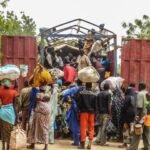
The association said the decision became necessary following what it described as the alarming deterioration of security conditions in both rural and urban communities, where citizens now live in constant fear of attacks by bandits, terrorists, kidnappers, and other criminal elements. Church leaders at the summit lamented the increasing attacks on innocent Nigerians, including women, children, farmers, worshippers, and students, noting that the situation had reached a level requiring extraordinary national attention and decisive leadership.
According to CAN, the declaration of a state of emergency on security would enable the government to mobilise all necessary resources, strengthen intelligence gathering, improve coordination among security agencies, and restore public confidence in the nation’s ability to protect lives and property.
The summit also called for urgent reforms in the nation’s security architecture, stressing that security agencies must be properly equipped, adequately funded, and held accountable in the discharge of their responsibilities. The church leaders warned that continued failure to tackle insecurity decisively could further worsen economic hardship, food shortages, displacement of communities, and social instability across the country.
They observed that many farmers had abandoned their farmlands because of repeated attacks and kidnappings, thereby threatening food production and deepening hunger among vulnerable populations. The association urged President Bola Tinubu and relevant government institutions to rise above politics and act swiftly to safeguard Nigerians irrespective of ethnicity, religion, or political affiliation.
CAN further appealed to governors, traditional rulers, community leaders, and civil society organisations to collaborate with security agencies in identifying criminal hideouts and supporting local peacebuilding initiatives. During the mourning period, churches were encouraged to hold special prayer services for victims of insecurity, security personnel, displaced persons, and families affected by violence in different parts of the country.
The body also encouraged Christians to wear black armbands or other symbols of mourning during worship services as a mark of solidarity with victims and grieving families. Speakers at the summit reportedly condemned the rising wave of abductions targeting schools and religious institutions, warning that attacks on educational centres and places of worship posed serious threats to national unity and the future of young Nigerians.
They stressed that beyond military responses, government must also address underlying social and economic issues fuelling insecurity, including unemployment, poverty, corruption, and the proliferation of illegal weapons. The communiqué further urged the National Assembly to support stronger security legislation and provide effective oversight to ensure accountability and improved performance within the security sector.
CAN reaffirmed its commitment to peace, national unity, and interfaith cooperation, while calling on Nigerians not to lose hope despite the difficult security situation confronting the country. The association noted that the mourning period was not intended to spread fear or division but to serve as a solemn national reflection on the value of human life and the urgent need to protect citizens.
Religious leaders at the summit concluded by urging all Nigerians to remain vigilant, law-abiding, and united in the collective effort to restore peace and stability across the nation.
The declaration by CAN comes amid renewed public concern over frequent attacks and kidnappings reported in several parts of the country in recent months, with many citizens calling for stronger and more coordinated government action to stem the tide of violence.