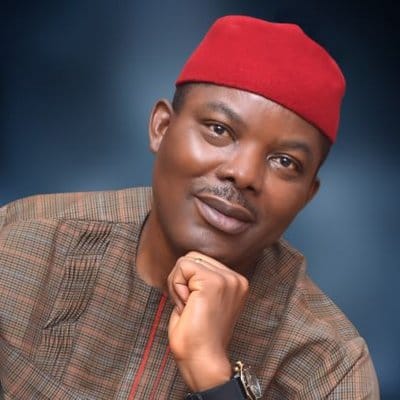
By Fred Chukwuelobe
My prayer this Sunday morning is simple: may the 2027 General Elections come and go peacefully. May these days not seem endless, and may this prolonged season of political bitterness soon give way to a more humane and decent Nigeria.
At this point, I no longer care who wins or loses. My deepest concern is that we reclaim our humanity. It’s been badly damaged. But it’s not irretrievable. It will only take time.
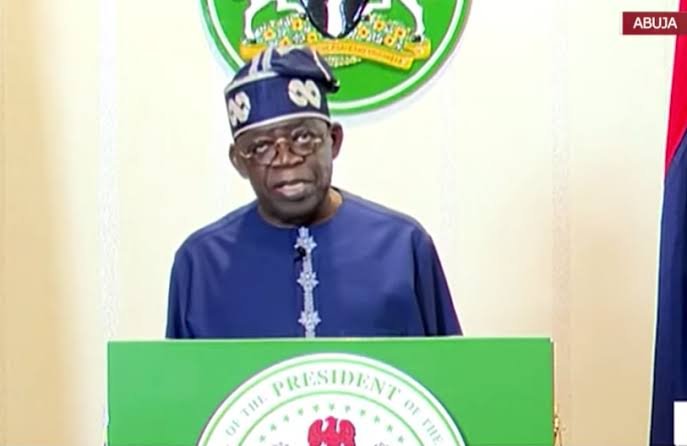
The administration of President Bola Ahmed Tinubu has, in many ways, exposed the fault lines in our national life. It has revealed how easily people once regarded as men and women of honour can abandon principle for partisanship. It has shown that even the most brazen falsehoods can be defended with astonishing confidence. It has demonstrated how political loyalty can eclipse truth, reason, and conscience.
The recent meeting between the Catholic Bishops Conference of Nigeria (CBCN) and President Tinubu, and the reactions that followed, illustrate this troubling reality.
The bishops did what they have consistently done under successive administrations: they conveyed to the President the pains, frustrations, and anxieties of ordinary Nigerians. They neither declared war on the government nor endorsed any political opponent. They simply fulfilled their moral obligation to speak truth to power.
Yet, because they did not shower the President with praise, and because John Cardinal Onaiyekan later publicly explained what had been omitted from official accounts of the meeting, some presidential aides and partisan supporters descended on him with insults and accusations. Suddenly, the bishops were portrayed as supporters of Labour Party presidential candidate Peter Obi.
The Cardinal has even been accused of breaching “clerical privilege”—another addition to our growing political attack-dog lexicon. That is both unfortunate and dangerous.
I would not be surprised if certain Pentecostal leaders were to visit the President tomorrow, counter the bishops, and offer only glowing commendations. If they did, few would question their motives. But when Catholic bishops present the concerns of suffering Nigerians, they are branded as political partisans.
Since when did telling the President the truth become an endorsement of the opposition?
The bishops merely reflected the realities confronting millions of Nigerians. Instead of listening with humility, some defenders of the government chose to question their motives rather than engage with the substance of their concerns.
Truth, it seems, has become increasingly inconvenient in our public discourse.
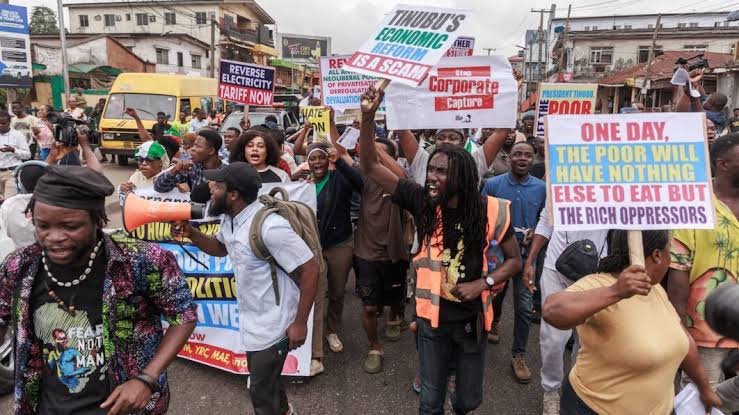
President Tinubu reportedly responded that hunger did not begin with his administration, remarking that “since I was born, there has always been hunger.” While that may be historically true, Nigerians expect leaders not merely to acknowledge enduring problems but to convince citizens that those problems are being meaningfully addressed.
What saddens me most is not politics itself but the damage our politics has inflicted on our national character.
We have normalised bigotry.
We have institutionalised clannishness.
We have become comfortable with falsehood.
We have increasingly pitched one ethnic group against another.
Every criticism is now interpreted through the prism of political allegiance. Every dissenting voice is labelled an enemy. Every uncomfortable truth is somehow linked to Peter Obi or another political opponent. This is unhealthy for any democracy, especially ours.
The greatest casualty of this era may not be any political party or politician. It may be our collective capacity to disagree without hatred, to criticise without being branded enemies, and to place country above tribe, religion, or party.
Like every difficult chapter in history, this one too shall pass. My prayer is that when it does, enough of our shared values will remain for us to rebuild. That truth will once again command respect. That integrity will matter more than propaganda. That patriotism will triumph over blind partisanship.
Above all, may Nigeria rediscover its humanity after the 2027 elections. It is that humanity, not the victory of any politician, that will determine whether our children inherit a nation worth believing in.