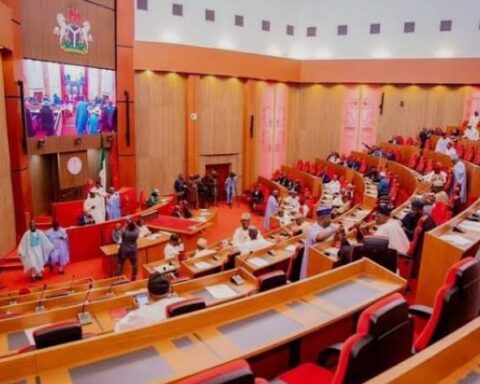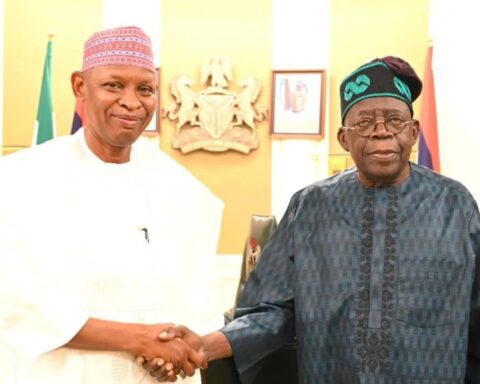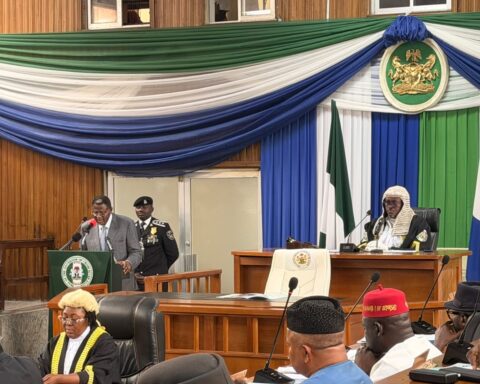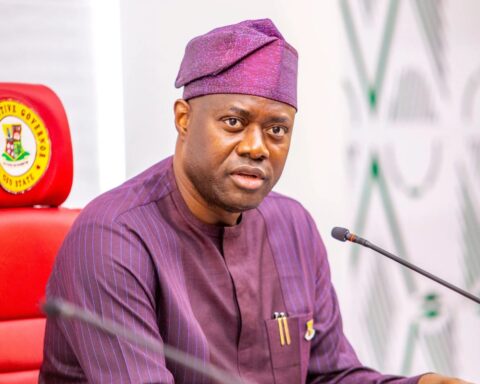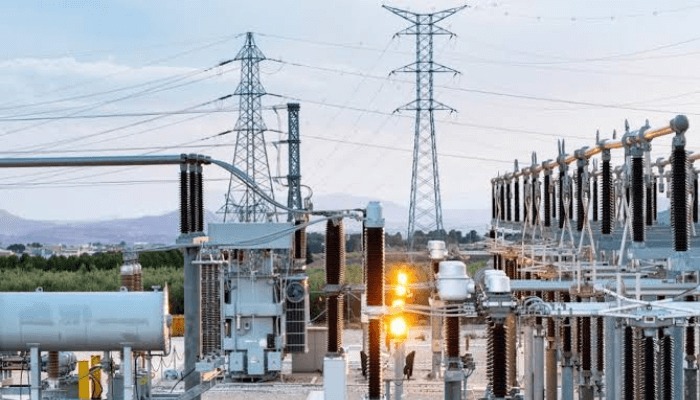
The Nigerian government has officially scrapped a $717.7 million loan from the World Bank. The funding, originally earmarked to overhaul the nation’s collapsing electricity infrastructure, was aborted following internal tracking reports revealing deep-seated inefficiencies and underutilized international funds.
The decision comes at a critical juncture for Africa’s most populous nation, which continues to battle a crippling energy crisis marked by frequent national grid collapses and soaring fuel prices.
The canceled loan, part of a broader international effort to stabilize Nigeria’s fragile power sector, was intended to modernize transmission lines and improve distribution networks. However, sources close to the Ministry of Finance indicate the government chose to pull the plug after realizing that previous tranches of foreign aid were bogged down by bureaucratic red tape and systemic corruption.
”We cannot continue to accumulate foreign debt for projects that stall in the pipeline,” said a senior government official who spoke on the condition of anonymity. “The issue isn’t a lack of capital; it’s a lack of execution capacity.”
Nigeria’s national grid has collapsed multiple times over the past year alone, plunging businesses and households into total darkness for days at a time. For an economy heavily reliant on small and medium-sized enterprises (SMEs), the lack of stable power acts as a direct tax on productivity.
The cancellation has triggered widespread anxiety across Nigeria’s financial sectors. Analysts warn that rejecting multilateral support without a viable alternative plan could severely damage investor confidence.
Local manufacturers are already sounding the alarm. With the removal of fuel subsidies making private generators prohibitively expensive to run, the loss of over $700 million in infrastructure funding feels to many like a step backward.
Without the World Bank’s oversight and financial backing, the administration now faces the monumental task of sourcing alternative local investments to fix a grid that is quite literally running out of time. For ordinary Nigerians, the immediate future looks increasingly dim.