By Ijeoma Agbafo
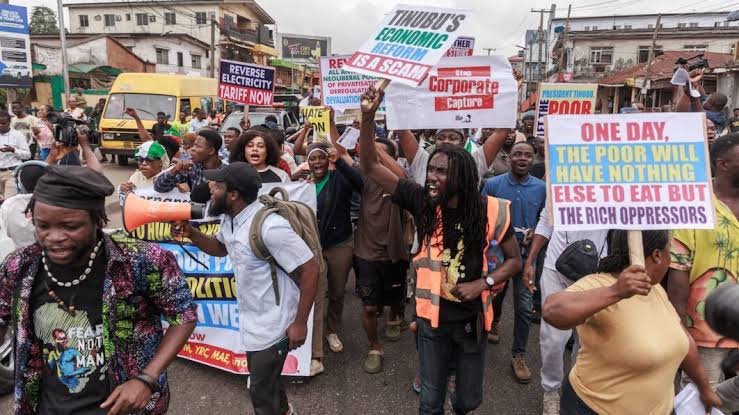
The Poverty rate in Nigeria has continued to rise over the past five years as millions of Nigerians struggle with inflation, insecurity, unemployment and the increasing cost of living. Despite being regarded as “The Giant of Africa” or Africa’s largest economy, majority of Nigerians continue to face hardships with both rural and urban areas being heavily affected.
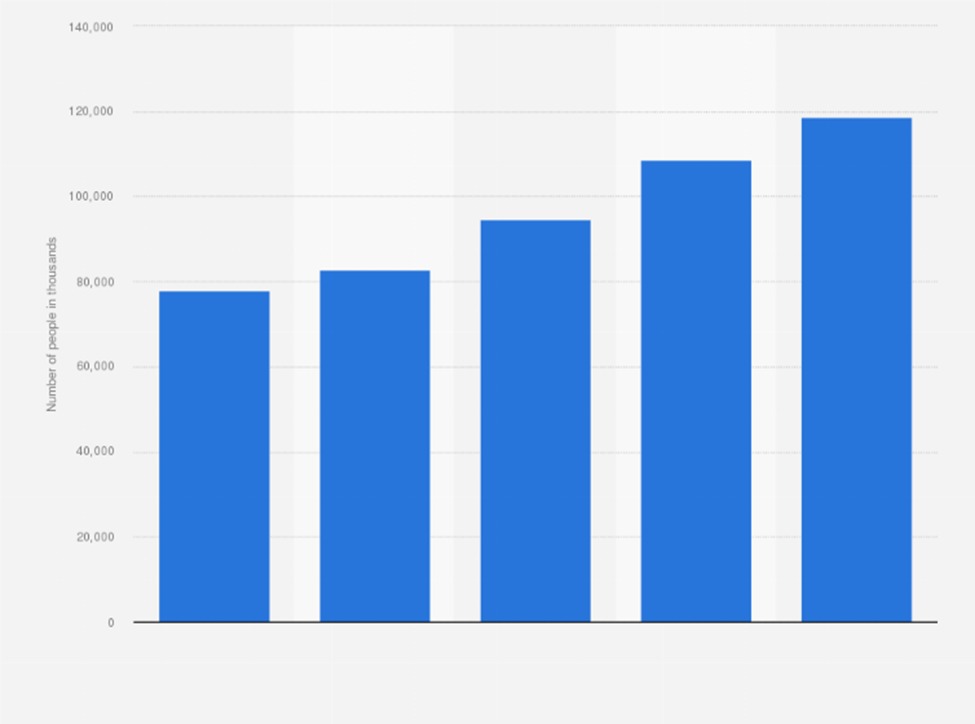
Over the last five years, poverty has worsened, with over 133 million people now living below the poverty line. The official data showed that approximately 63% of the population are classified as multidimensionally poor, which means they lack acces to basic necessities such as healthcare, education, electricity, and decent living conditions.
According to the World Bank, in 2018, about 40% of Nigerians were living below the poverty line but by 2023, the figure had risen to 46%, showing a steady increase in the number of Nigerians being able to afford basic needs.
Highlights of the 2022 Multidimensional Poverty Index survey revealed that the National MPI is 0.257, 65% of the poor people come from the North while the remaining 35% live in the South. For a country with massive wealth and a huge population to support commerce, a well-developed economy, and plenty of natural resources such as oil,the level of poverty remains unacceptable.
Experts have continued to call on the government to implement sustainable economic policies, improve job creation, strengthen agriculture, and provide social welfare support to vulnerable citizens in order to reduce the growing poverty rate across the country.