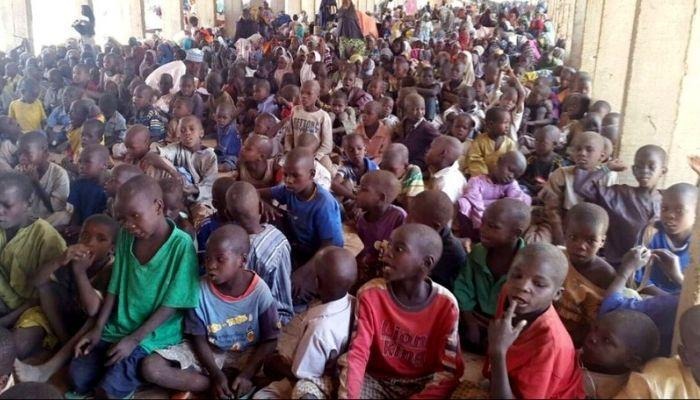
The Federal Government has unveiled a new National Policy on Alternative Learning Pathways aimed at expanding access to education for millions of out-of-school children, youths and adults across Nigeria.
The initiative is expected to strengthen the country’s non-formal education system and provide flexible learning opportunities for people who have been unable to access or complete conventional schooling.
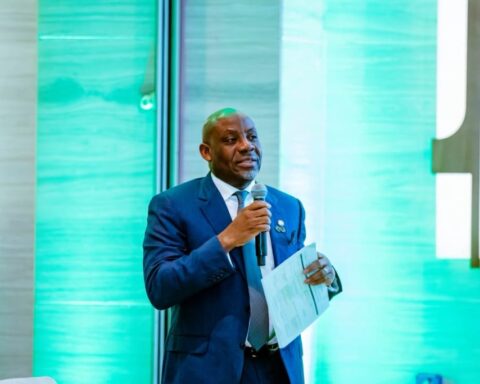
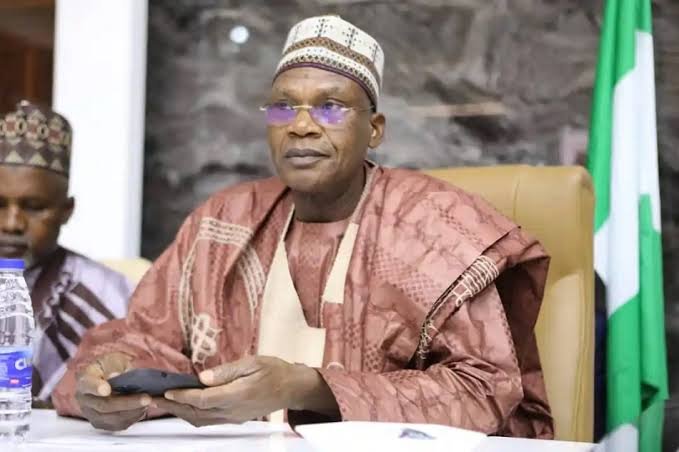
The development was disclosed by Dr John Edeh, Director of Literacy and Development at the National Commission for Mass Literacy, Adult and Non-Formal Education, during an interview with the News Agency of Nigeria in Abuja.
Edeh, who also oversees the commission, explained that the policy was recently launched by the Minister of Education, Tunji Alausa, as part of broader reforms aimed at addressing long-standing gaps in Nigeria’s education sector.
According to him, the policy seeks to create inclusive and flexible learning systems capable of accommodating individuals who are unable to participate in formal education due to poverty, insecurity, early marriage, displacement, social barriers or economic challenges.
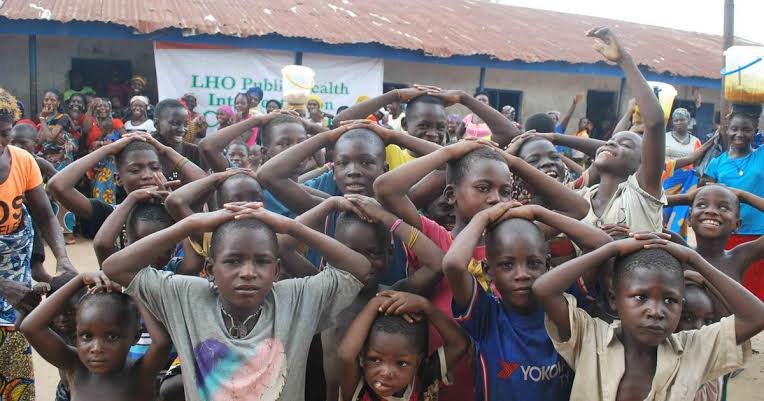
He noted that millions of Nigerians, particularly children and young people in rural and underserved communities, remain outside the formal school system, making the new policy both timely and necessary.
Edeh said the initiative would provide structured alternative learning opportunities that would enable learners to acquire literacy, numeracy, vocational and life skills relevant to modern society.
He explained that the programme was designed not only for children who dropped out of school, but also for adults who never had the opportunity to receive formal education.
“The policy is meant to bridge the gap in access to education and ensure that no Nigerian is left behind because of circumstances beyond their control,” he said.
According to him, the framework introduces more flexible learning approaches that can adapt to the needs of different categories of learners, including nomadic populations, internally displaced persons, working youths and women in remote communities.
He added that the policy aligns with global education goals, especially efforts to promote inclusive and equitable quality education for all.
The official stated that one of the major objectives of the policy is to establish clear pathways that would allow learners in non-formal education programmes to transition into formal education or vocational training systems when necessary.
He explained that the government intends to standardise alternative learning programmes across the country to ensure quality delivery, effective monitoring and recognised certification for beneficiaries.
Edeh also stressed the importance of collaboration between federal and state governments, development partners, civil society organisations and local communities in ensuring the successful implementation of the initiative.
He noted that education remains a critical tool for national development, poverty reduction and social stability, adding that expanding learning opportunities would help reduce unemployment, illiteracy and social exclusion.
The policy is also expected to support efforts aimed at reducing the alarming number of out-of-school children in Nigeria, which remains one of the highest globally.
Stakeholders in the education sector have repeatedly called for urgent interventions to address barriers preventing children and adults from accessing education, particularly in conflict-affected and economically disadvantaged areas.
Experts believe that strengthening non-formal and alternative education systems could significantly improve literacy rates and empower vulnerable populations with practical skills for self-reliance.
Edeh further revealed that the government plans to integrate digital innovation and community-based learning strategies into the programme to make education more accessible and adaptable to changing realities.
He added that teachers and facilitators involved in the initiative would receive specialised training to equip them with the skills required to handle diverse categories of learners.
The new policy has already attracted positive reactions from education advocates, who described it as an important step toward building a more inclusive education system in Nigeria.
Many observers believe the success of the initiative will depend largely on adequate funding, sustained political commitment and effective implementation at all levels.
As the Federal Government moves forward with the policy, expectations remain high that the initiative will provide renewed hope for millions of Nigerians seeking a second chance at education and personal development.