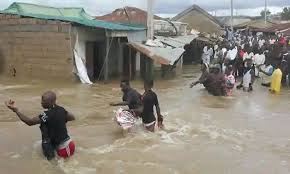
A devastating windstorm that swept through parts of Niger State between Monday and Tuesday has left a trail of destruction, displacing hundreds of families and damaging over 1,000 houses across six local government areas. The affected councils include Mokwa, Bida, Lavun, Katcha, Gbako and Mariga, where residents are now counting heavy losses after the violent weather event tore through communities, uprooting roofs, collapsing buildings and disrupting daily life.
Eyewitnesses described the storm as one of the most severe in recent years, saying it struck suddenly with intense winds that lasted for several minutes but caused widespread damage that will take weeks, if not months, to recover from. Across at least 25 communities, families were forced out of their homes as structures either collapsed completely or became unsafe for habitation. Many displaced residents are now taking shelter with relatives, neighbours, or in temporary makeshift accommodations.
In Mokwa Local Government Area, several communities bore the brunt of the disaster. Areas affected include Sawmill, Kpege Wayata, Kpege, Station Girigi, Efu Shaba Lile, Tifin Madza, Yafu, Etisheshi, Hakimi Aliyu and Nasfat. Residents in these areas reported widespread roof damage, fallen trees and destroyed property scattered across compounds. In Bida, another heavily affected area, communities such as Cheniyan, Nasarafu, Bariki, Kyari, Dokoza, Masaga A and Masaga B experienced similar destruction.
Many homes were left without roofs, while some buildings collapsed entirely under the force of the wind. The storm also caused significant disruption to education infrastructure in the state. Student lodges at both the Federal and State Polytechnics in Bida, as well as the College of Agriculture, were severely damaged, leaving students stranded and in urgent need of alternative accommodation. Electricity infrastructure did not escape the impact either, as several power poles were brought down by the storm, plunging affected communities into darkness.
Billboards and commercial signboards were also torn apart, further illustrating the scale of the destruction. Local residents described scenes of panic as the windstorm intensified, with many rushing to secure their belongings while others struggled to rescue children and elderly family members from collapsing structures. A resident of Mokwa recounted how the storm struck in the evening, saying it “came with heavy wind like a moving wall,” leaving little time for preparation. According to him, several houses in his neighbourhood lost their roofs within minutes.
In Bida, traders also reported losses after market stalls and shops were damaged, with goods exposed to rain and wind. Some business owners expressed concern over their inability to recover quickly due to the scale of destruction. Preliminary assessments indicate that more than 1,000 houses have either been destroyed or severely damaged across the six local government areas, though officials warn that the figure could rise as further assessments continue in hard-to-reach communities.
The incident has once again highlighted the vulnerability of many communities in Niger State to extreme weather events, particularly during seasonal windstorms that often cause structural damage due to weak building materials and poor drainage systems. Humanitarian concerns are also growing, as displaced families now face urgent needs for shelter, food, clothing and medical assistance. Community leaders have begun calling for immediate intervention from state and federal emergency agencies.
Attention is now focused on the Niger State government and relevant emergency response bodies to assess the full extent of the damage and coordinate relief efforts for affected residents. Disaster management officials are expected to visit the affected communities to carry out detailed evaluations and determine the level of assistance required for reconstruction and rehabilitation. Residents have also called for long-term preventive measures, including improved building standards, early warning systems and environmental planning to reduce the impact of future windstorms.
As recovery efforts begin, the people of Niger State are left grappling with the aftermath of a sudden natural disaster that has disrupted lives, destroyed property and created urgent humanitarian needs across multiple communities.