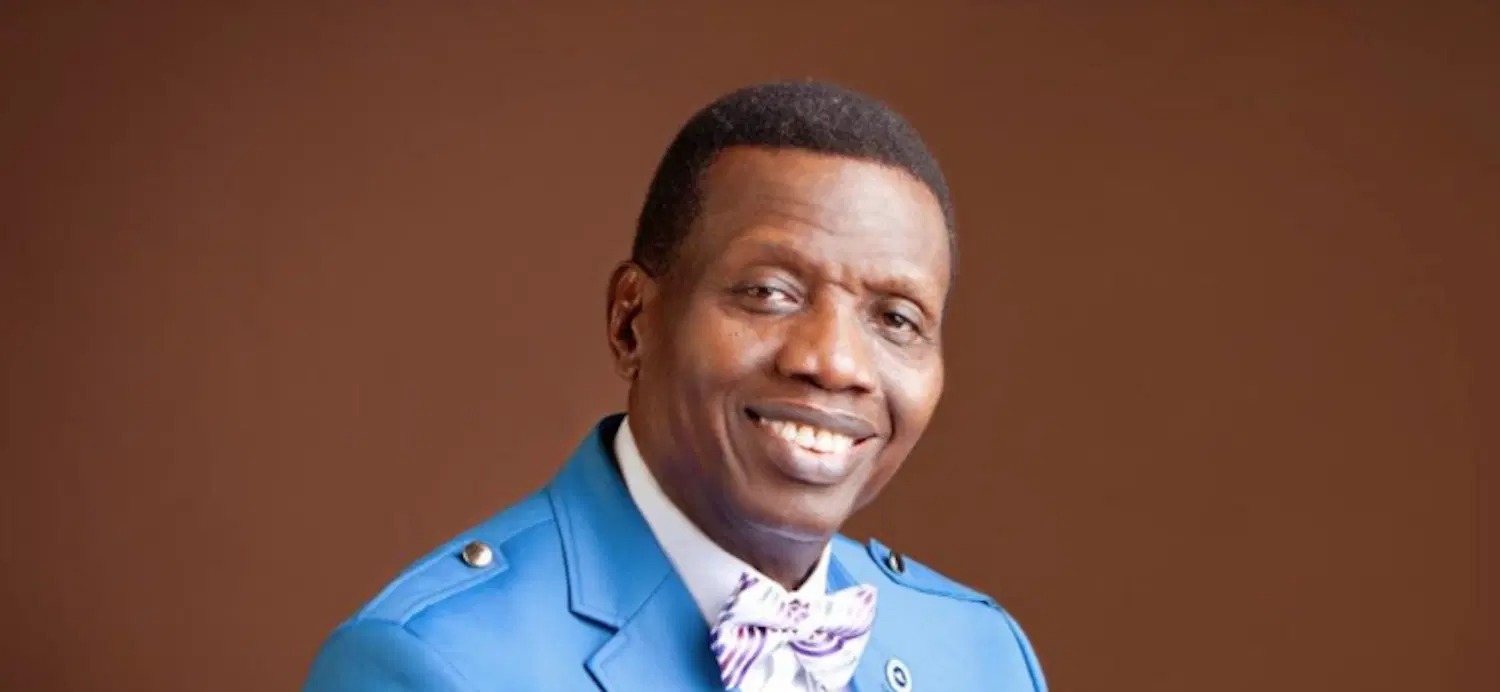
The General Overseer of the Redeemed Christian Church of God, Enoch Adeboye, has declared that Nigeria’s next president ahead of the 2027 general elections has already been determined by divine will.
Adeboye made the statement on Saturday during a workers’ meeting held at the Redemption City along the Lagos-Ibadan Expressway, where he addressed thousands of church workers and faithful on faith, leadership, and national direction.
According to the revered cleric, the outcome of the 2027 presidential election is not solely dependent on human calculations or political manoeuvring but ultimately rests in the hands of God.
“The next president has already been decided by God, who owns the universe,” Adeboye said. “It is not something we can determine by human effort alone. The will of God will be done.”
His remarks come at a time when political conversations around the 2027 elections are gradually gaining momentum across the country, with various political actors and parties already positioning themselves for what is expected to be another highly competitive electoral cycle.
Adeboye cautioned Nigerians against becoming overly anxious or consumed by political uncertainty, urging citizens to maintain faith and trust in divine authority over national affairs. He emphasised that, regardless of prevailing political tensions or economic concerns, God remains sovereign over the destiny of the nation.
The influential preacher, whose opinions often resonate widely among millions of followers within and outside Nigeria, encouraged believers to focus on prayer, righteousness, and national unity rather than fear or division.
Observers note that statements from religious leaders such as Adeboye frequently shape public sentiment, especially in a country where faith plays a significant role in everyday life and political perception.
While some Nigerians interpret such declarations as a call for spiritual reflection and calm, others see them as reinforcing the idea that leadership outcomes are guided by higher purposes beyond visible political processes.
Political analysts, however, maintain that while faith and spirituality are important to many citizens, democratic systems still rely on active civic participation, including voter engagement, policy debates, and transparent electoral processes.
Adeboye did not mention any specific individual in his remarks, nor did he signal support for any political party or aspirant. Instead, his message centred on reassurance and the belief that Nigeria’s future remains under divine control.
As preparations for the 2027 elections continue to unfold, his comments have added a spiritual dimension to the ongoing national discourse, blending faith with politics in a way that continues to define much of Nigeria’s public life.