The Federation Account Allocation Committee (FAAC) has disbursed a total of N2.036 trillion to the federal, state, and local governments for March 2026, marking one of the highest monthly allocations in Nigeria’s fiscal history.
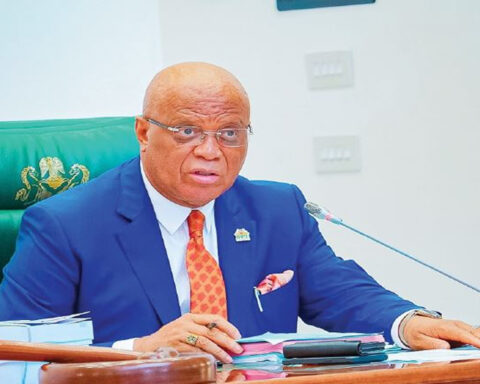
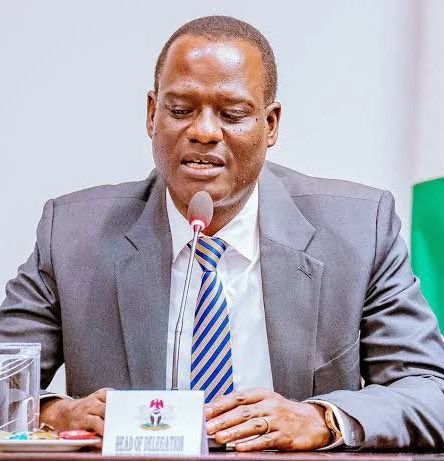
The meeting, held in Abuja, was presided over by the Minister of Finance and Coordinating Minister of the Economy, Taiwo Oyedele, in what represents his first official outing as Chairman of the FAAC since assuming office. The development underscores a significant moment in the nation’s economic management, as well as a continuation of high revenue inflows to all tiers of government.
Details of the revenue sharing were disclosed in a statement issued by the Office of the Accountant-General of the Federation and signed by its Director of Press and Public Relations, Bawa Mokwa. According to the statement, the distributable revenue comprised statutory allocations, Value Added Tax (VAT) proceeds, and an additional support provision designed to stabilise government finances.
The N2.036 trillion disbursement is notable not only for its scale but also because it is the second time in 2026 that FAAC allocations have surpassed the N2 trillion threshold. Analysts say this trend reflects a combination of improved revenue generation, policy adjustments, and possibly exchange rate dynamics influencing federally collected revenues.
Presiding over the meeting, Oyedele emphasised the importance of transparency, fiscal discipline, and efficient utilisation of public funds. He reiterated the Federal Government’s commitment to ensuring that revenues are not only shared equitably but also deployed in ways that directly impact citizens’ lives.
“This level of allocation presents both an opportunity and a responsibility,” a senior official at the meeting noted. “Governments at all levels must prioritise critical sectors such as infrastructure, healthcare, education, and security to maximise the benefits of these increased revenues.”
Breakdowns provided in the statement indicated that statutory revenue formed a substantial portion of the total allocation, reflecting earnings from oil and non-oil sources collected into the Federation Account. VAT collections also contributed significantly, highlighting continued growth in consumption-based tax revenues despite economic pressures.
The additional support provision included in the disbursement was described as a strategic buffer aimed at cushioning fiscal pressures faced by subnational governments. Many states and local government councils have struggled with rising wage bills, infrastructure deficits, and debt obligations, making such supplementary funds crucial for maintaining financial stability.
Economic observers have pointed out that while higher FAAC allocations are encouraging, they also raise expectations for improved governance and accountability. In the past, increases in revenue have not always translated into visible development outcomes, leading to calls for stricter monitoring of how funds are utilised.
For state governments, the allocation offers a lifeline for executing projects and meeting recurrent expenditures, including salary payments. Local governments, often the closest tier of government to the people, are also expected to leverage their share to address grassroots challenges such as primary healthcare, rural roads, and sanitation.
The Federal Government, on its part, is expected to channel its portion toward national priorities, including economic reforms, social investment programmes, and large-scale infrastructure development.
Oyedele’s debut as FAAC Chairman comes at a time when Nigeria is navigating complex economic realities, including inflationary pressures, revenue diversification efforts, and ongoing fiscal reforms. His leadership of the committee will likely be closely watched by stakeholders seeking greater efficiency and accountability in public finance management.
As the funds begin to flow to various tiers of government, attention will inevitably shift to implementation. Citizens and civil society organisations have consistently called for greater transparency in the use of public resources, urging authorities to ensure that increased allocations translate into tangible improvements in living standards.
With another record-setting disbursement now completed, the challenge before Nigeria’s leaders remains clear: to convert rising revenues into meaningful development that reaches every corner of the country.