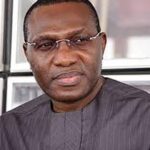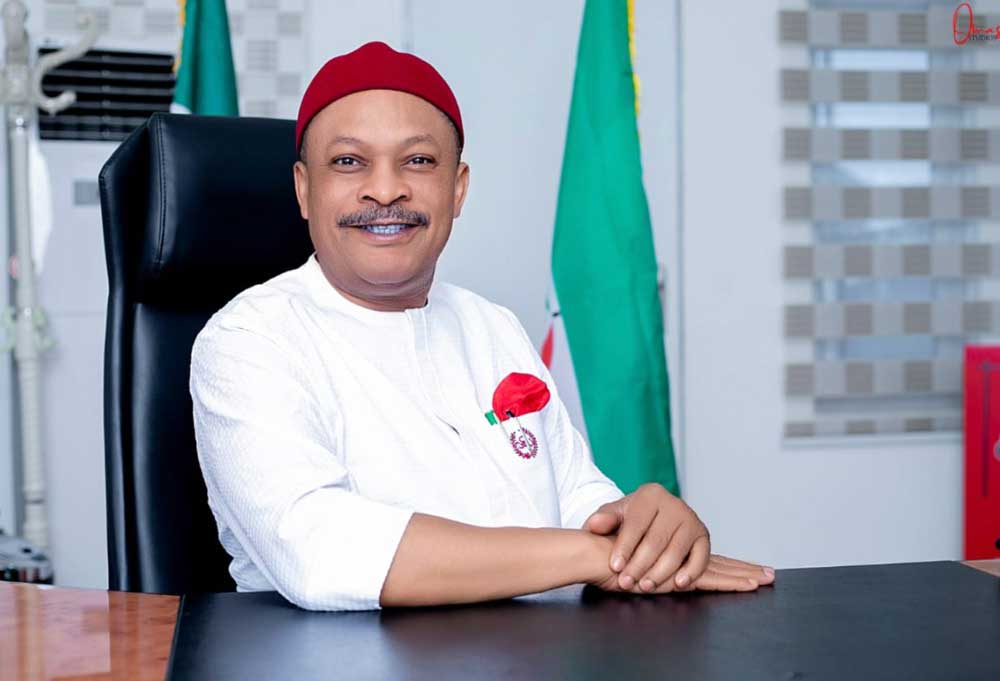
Fresh tensions have emerged within the Peoples Democratic Party (PDP) as a faction aligned with the Minister of the Federal Capital Territory, Nyesom Wike, moved to counter what it described as misleading reports surrounding an appeal filed by Senator Samuel Anyanwu.
In a statement released on Saturday, the faction insisted that narratives suggesting Anyanwu’s appeal was tied to a suspension were inaccurate. According to the group, no such disciplinary action had ever been taken against the senator, and therefore, the legal step he pursued could not be interpreted within that context.
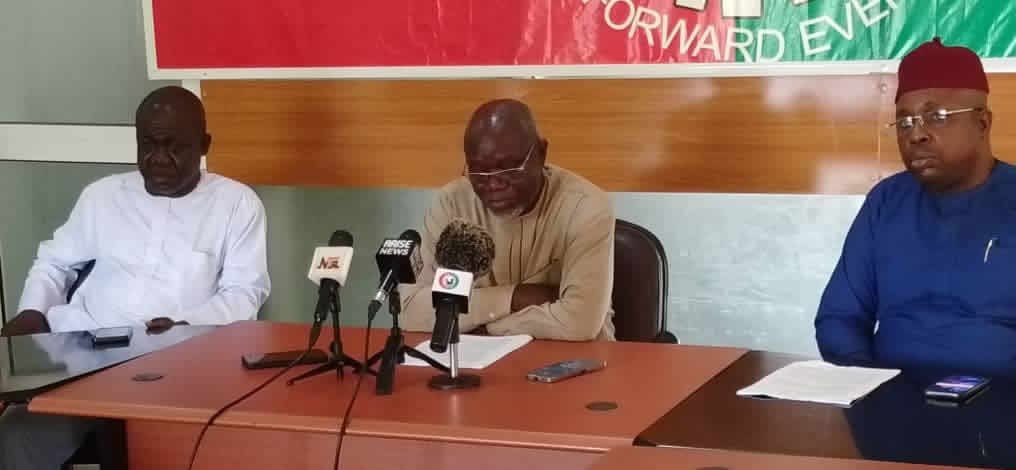
The clarification was issued by the PDP National Publicity Secretary of the faction, Jungudo Mohammed, operating under the leadership of Abdurahman Mohammed. The statement sought to draw a clear line between internal party processes and the legal developments involving Anyanwu, emphasizing that the matter had been widely misunderstood in public discourse.
“Although Senator Anyanwu filed an appeal, it is important to state that it is not related to any suspension, as no such measure was ever in place,” the statement noted, pushing back against speculation that has circulated in recent days.
The controversy is the latest episode in what has become a prolonged and complex internal crisis within the PDP. Once regarded as one of Nigeria’s most dominant political platforms, the party has in recent times struggled with divisions that have split its leadership into rival camps, each claiming legitimacy and influence.
On one side of the divide is a faction led by Tanimu Turaki, reportedly backed by prominent governors including Seyi Makinde of Oyo State and Bala Mohammed of Bauchi State. This group has often positioned itself as advocating internal reforms and broader consensus within the party.
Opposing them is the faction aligned with Abdurahman Mohammed, which enjoys the support of Wike, a powerful political figure known for his influence and assertive style. This camp has consistently defended its stance on party leadership and decision-making, often clashing with rival voices over the direction of the PDP.
Political observers say the disagreement over Anyanwu’s appeal reflects deeper structural issues within the party. Rather than being an isolated legal matter, it has become another flashpoint in a wider struggle for control, legitimacy, and narrative dominance.
For party members and supporters, the ongoing crisis raises concerns about unity and electoral readiness. With future elections on the horizon, analysts warn that prolonged internal conflict could weaken the PDP’s ability to present a cohesive front against its rivals.
At the same time, some insiders argue that such debates, while messy, are part of the democratic process within political organizations. They contend that resolving differences, whether through dialogue, legal channels, or internal mechanisms is essential for long-term stability.
As the situation unfolds, the focus is likely to remain on how the party navigates its internal divisions. The clarification over Anyanwu’s appeal may settle one aspect of the controversy, but it also highlights how quickly information and misinformation can shape political narratives.
For now, the PDP stands at a crossroads, balancing competing interests and leadership claims. Whether it can bridge its divides and regain cohesion will play a significant role in shaping its future and its place in Nigeria’s political landscape.