This transition period appears to be a crucial part of the party’s roadmap as it prepares for the 2027 general elections.
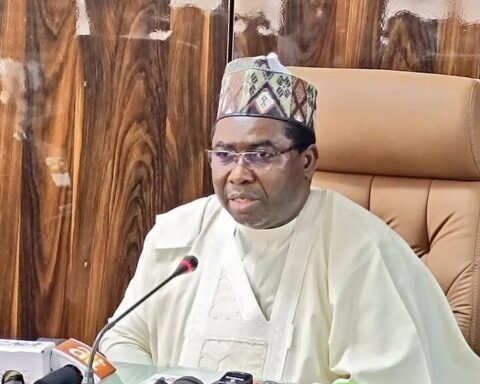
The timeline for the new state executives to officially take office on May 12, 2026, follows a period of major restructuring within the party. Under the leadership of Senator David Mark, who became the National Chairman after leaving the PDP in 2025, the ADC has been positioning itself as a primary “third force” in Nigerian politics.
Senator Mark’s description of the recent convention reflects the party’s efforts to project stability and growth. His leadership has focused on membership mobilization and revalidation, which he officially flagged off earlier this year in February.
The May 12 inauguration date is likely intended to ensure a seamless transfer of power at the grassroots level. It allows the newly elected state leaders time to align their local strategies with the national “ADC Will Form Government” vision championed by Mark.
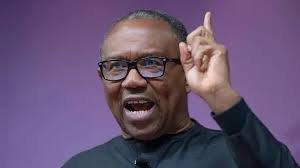
The party has seen high-profile influxes recently, including former Vice President Atiku Abubakar and Peter Obi, further elevating the stakes of these internal appointments.
While the party is moving forward with these inaugurations, it hasn’t been without its hurdles. There has been some internal friction, despite the convention, a faction led by Nafiu Bala Gombe has occasionally challenged the Mark-led executive, though the Senator David Mark leadership currently holds the central reigns and the recognition of key party stakeholders.
The focus now shifts to how these new state executives will execute the party’s plan to “close ranks” and collaborate with other political groups to challenge the status quo in the next election cycle.
This structured transition suggests that the ADC is trying to move past the “interim” phase of its 2025 reshuffle into a more permanent, election-ready organization.