In the bustling commercial city of Nnewi, where the hum of industry depends heavily on a reliable power supply, a new conversation has begun, one that could redefine how electricity is generated, distributed, and consumed across Anambra State.
At the center of this dialogue is the Anambra State Electricity Regulatory Commission, which has made a passionate call for stronger collaboration between electricity distribution companies and consumers. The message is clear: solving the state’s persistent power challenges will require not just policy reforms, but trust, cooperation, and shared responsibility.
The call was made during a two-day interactive town hall meeting held at the Umuenem Civic Centre, where stakeholders from across the electricity value chain gathered to exchange ideas, air concerns, and chart a path forward.
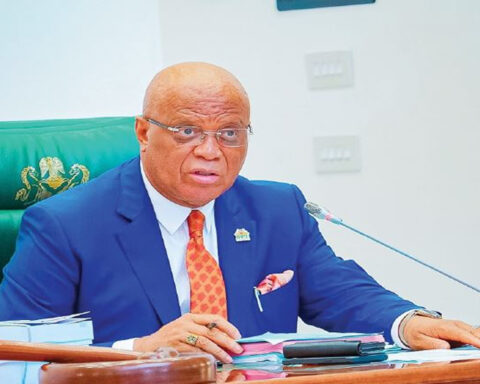
Addressing the audience, the Managing Director of ASERC, Frank Okafor, acknowledged the frustrations of residents grappling with inconsistent power supply. He appealed for patience, assuring citizens that efforts are underway to stabilize and improve electricity delivery in the near future.
“Reliable electricity is not something that will happen overnight,” Okafor noted, “but we are laying the foundation for a system that works, one that benefits both providers and consumers.”
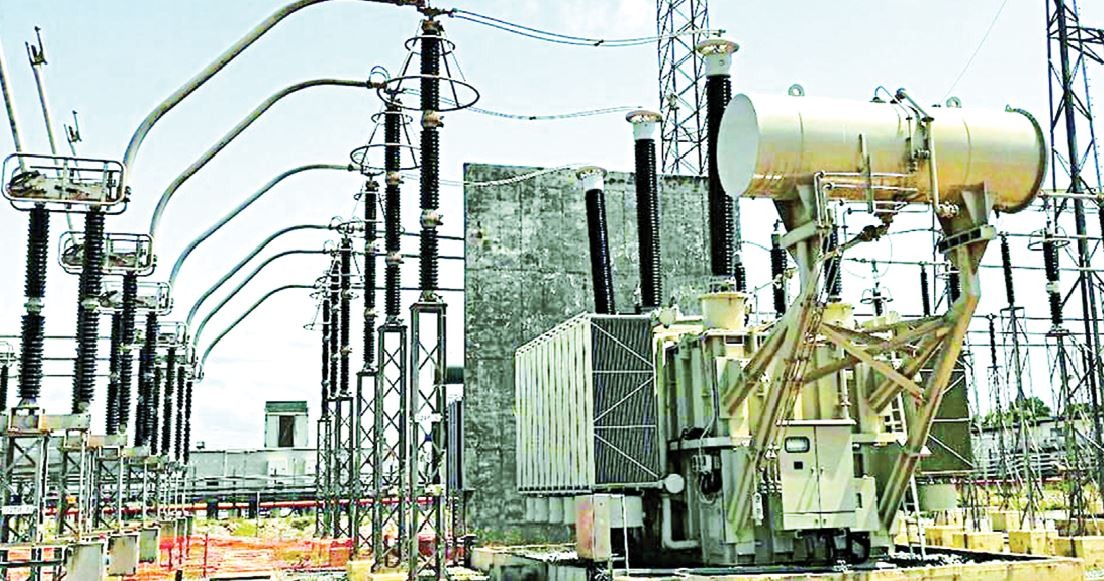
At the heart of the commission’s strategy is the development of Anambra’s emerging electricity market. With Nigeria gradually decentralizing its power sector, states like Anambra are taking proactive steps to create localized systems that can better respond to their unique needs. Okafor emphasized that this transition presents a rare opportunity to correct longstanding inefficiencies and build a more responsive energy ecosystem.
The town hall meeting, themed “Public Consultation on Draft Regulations,” was not merely a formality but a deliberate effort to involve the public in shaping policies that directly affect them. According to Okafor, community engagement is critical to addressing some of the most pressing challenges in the sector energy theft, infrastructure vandalism, and the controversial issue of estimated billing.
For many residents, estimated billing has long been a source of tension, often leading to disputes between consumers and distribution companies. By fostering open dialogue, ASERC hopes to bridge this gap and promote transparency, fairness, and accountability.
Electricity distribution companies, on their part, were urged to improve communication, respond more effectively to complaints, and invest in infrastructure that ensures consistent service. Consumers, meanwhile, were encouraged to play their role by paying bills promptly, reporting faults, and protecting public assets from vandalism.
The emphasis on collaboration reflects a growing recognition that the electricity crisis cannot be solved by one party alone. It is a shared problem that demands shared solutions.
Participants at the meeting expressed cautious optimism. Business owners in Nnewi, many of whom rely on generators to sustain their operations, welcomed the initiative but stressed the need for tangible results. For them, improved power supply is not just a convenience, it is a lifeline that determines profitability and survival.
Community leaders also highlighted the importance of sustained engagement, urging the commission to make such consultations a regular feature rather than a one-off event. They argued that continuous dialogue would help build trust and ensure that policies remain grounded in the realities faced by everyday citizens.
As the discussions drew to a close, one thing became evident: Anambra is at a turning point. With the right mix of policy, participation, and perseverance, the state has the potential to transform its electricity sector and set an example for others to follow.
For now, the road ahead may still be uncertain, but the willingness to listen, collaborate, and act offers a glimmer of hope. In a state driven by enterprise and innovation, that hope could very well be the spark needed to light the way forward.