The Nigeria Customs Service has announced plans to deploy Artificial Intelligence (AI)-powered systems at container-clearing points across the nation’s seaports, in a bold move aimed at enhancing revenue generation, improving efficiency, and strengthening transparency in cargo processing.
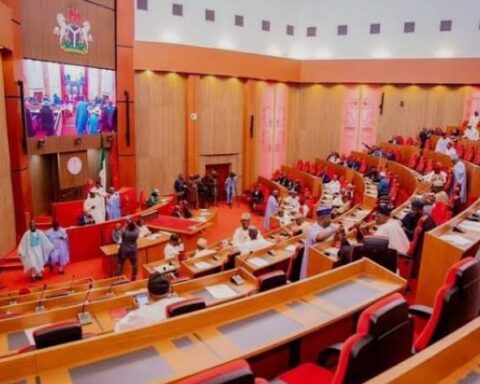
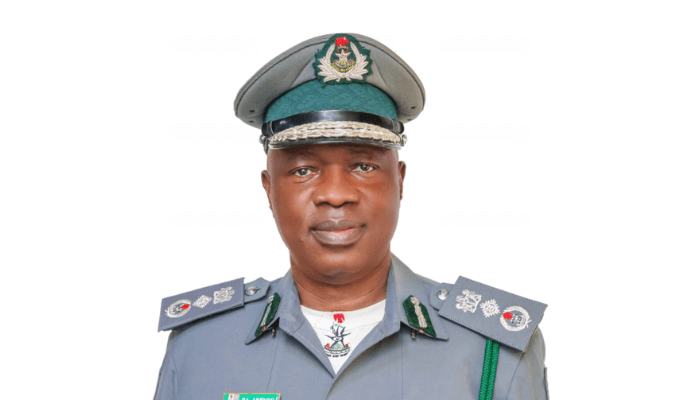
The Comptroller-General of Customs, Adewale Adeniyi, disclosed this on Tuesday in Abuja at the opening of a training programme on AI-driven revenue generation, remittance, and reconciliation. The training brought together officials of the Customs Service, members of the Federation Accounts Allocation Committee secretariat, legislators, and other key stakeholders involved in fiscal oversight.
Adeniyi explained that the integration of AI into customs operations marks a significant step toward modernising Nigeria’s trade and revenue systems. According to him, the technology will be deployed at critical container-clearing points within seaports to streamline processes, reduce human bottlenecks, and curb revenue leakages.
He noted that the initiative is part of a broader reform agenda within the Customs Service to align its operations with global best practices, particularly in the use of technology to enhance trade facilitation and accountability.
“With the deployment of AI-powered systems, we expect a more efficient, transparent, and predictable cargo clearance process,” Adeniyi said. “This will not only improve revenue collection but also boost the confidence of stakeholders in the system.”
The Comptroller-General emphasized that the decision to include legislators and other oversight bodies in the training programme was deliberate. He said their involvement would deepen understanding of the evolving revenue framework and promote stronger collaboration between implementing agencies and those responsible for monitoring public finances.
According to him, strengthening fiscal governance is just as important as increasing revenue, adding that the initiative reflects a shared commitment among stakeholders to ensure accountability and national development.
The training programme focused on equipping participants with knowledge of how AI can be applied to revenue processes, including accurate assessment, automated reconciliation, and real-time monitoring of transactions. Experts at the event highlighted the potential of AI to detect anomalies, prevent fraud, and enhance decision-making through data-driven insights.
Industry stakeholders have welcomed the move, describing it as timely and necessary in an era where global trade systems are increasingly driven by digital innovation. Analysts say the adoption of AI could significantly reduce delays at ports, a long-standing challenge that has impacted businesses and increased the cost of doing business in Nigeria.
By automating key aspects of container clearance, the Customs Service aims to minimise manual intervention, which has often been associated with inefficiencies and corruption risks. The system is also expected to improve compliance by providing more accurate and consistent assessments of duties and taxes.
Participants at the training underscored the importance of continuous capacity building, noting that the successful implementation of AI systems will depend largely on the skills and adaptability of personnel. They called for sustained investment in training and infrastructure to support the transition.
For the Nigeria Customs Service, the initiative represents more than just a technological upgrade, it is a strategic shift toward a more transparent and accountable revenue system. As global trade continues to evolve, the adoption of AI is expected to position Nigeria’s ports for greater competitiveness and efficiency.
With the backing of key stakeholders and a clear focus on reform, the planned deployment of AI at seaports signals a new chapter in the country’s efforts to harness technology for economic growth and improved governance.