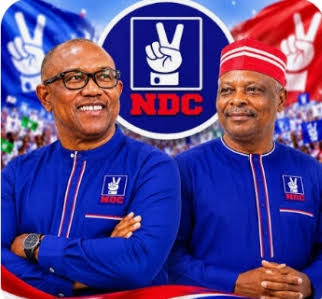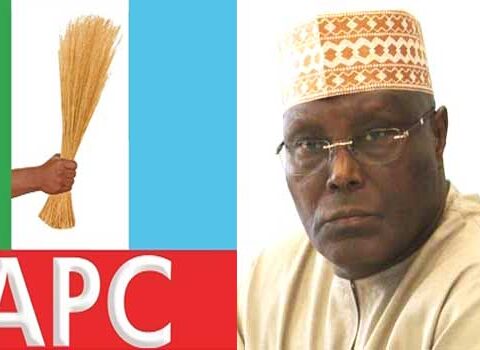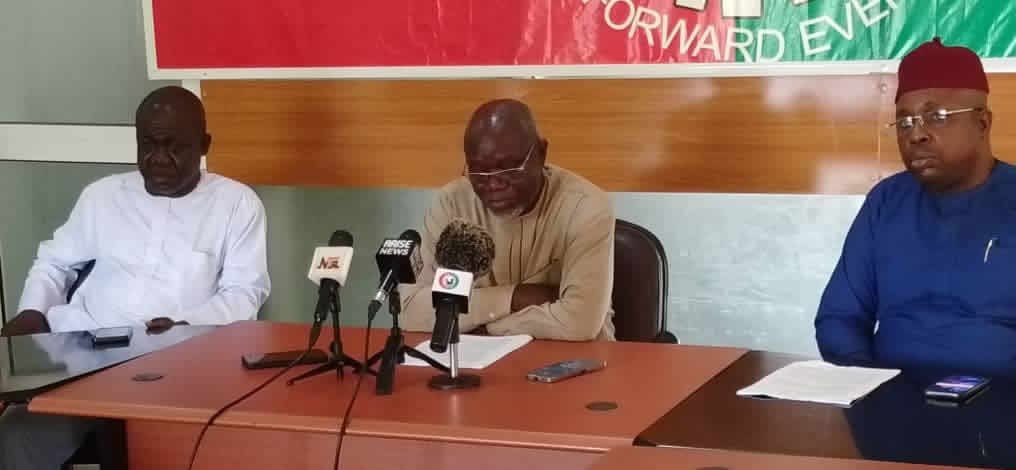
Nigeria’s political landscape indicate a significant realignment involving the African Democratic Congress (ADC) and the People’s Redemption Party (PRP) as they prepare for the 2027 general elections.
Reports suggest that factions within the ADC, particularly those linked to the leadership of David Mark have been actively targeting the PRP as a potential alternative platform or alliance partner. This comes amidst a period of intense internal friction and external coalition-building:
A faction of the ADC is reportedly eyeing the PRP as an “alternative platform” to consolidate opposition efforts. This is seen as a strategic move to create a formidable front against the ruling APC.
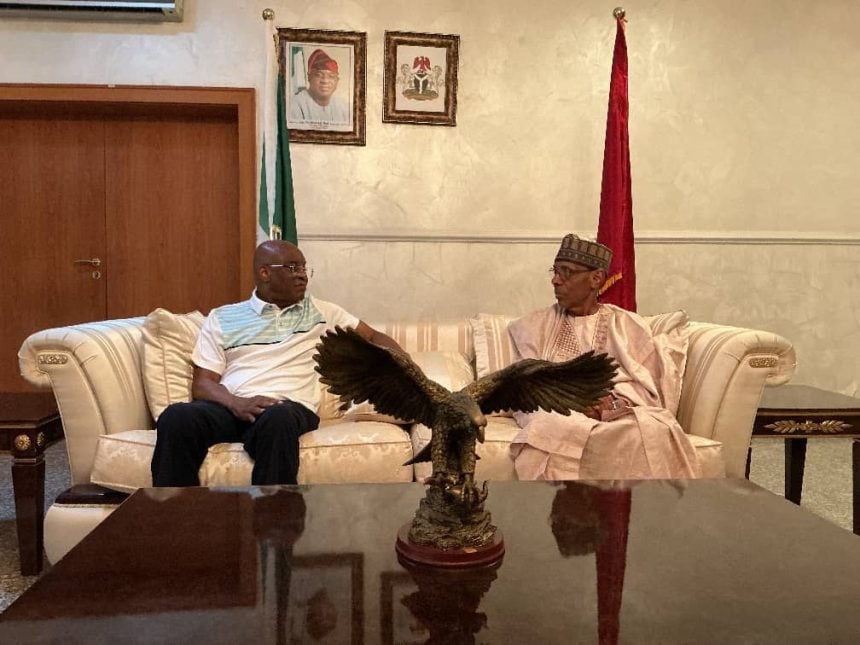
The meeting is part of a broader trend where several opposition groups including factions of the PDP are seeking to merge or form a “mega-party” structure. Prominent figures like Atiku Abubakar, Peter Obi, and David Mark have been seen collaborating in protests and high-level meetings.
The outreach to the PRP is happening against a backdrop of leadership disputes within the ADC itself. State chairmen have recently rejected the David Mark and Nafiu Bala factions, leading to the announcement of an interim leadership.
The primary objective of these discussions is to strengthen the opposition’s unity and ensure a more competitive challenge to President Bola Tinubu’s administration in the next election cycle.
This “merger talk” follows the signing of the 2026 Amended Electoral Act, which has triggered a flurry of activity among political parties. The PRP, known for its deep-rooted ideological history in Northern Nigeria, is viewed as a vital partner for any Southern-led or centrist coalition (like the ADC) looking to gain national traction.
As of early April 2026, while meetings and strategic targeting have been reported, a formal merger has not yet been officially ratified by the national executives of both parties. These talks remain part of the fluid “consultation phase” typical of Nigerian pre-election cycles.