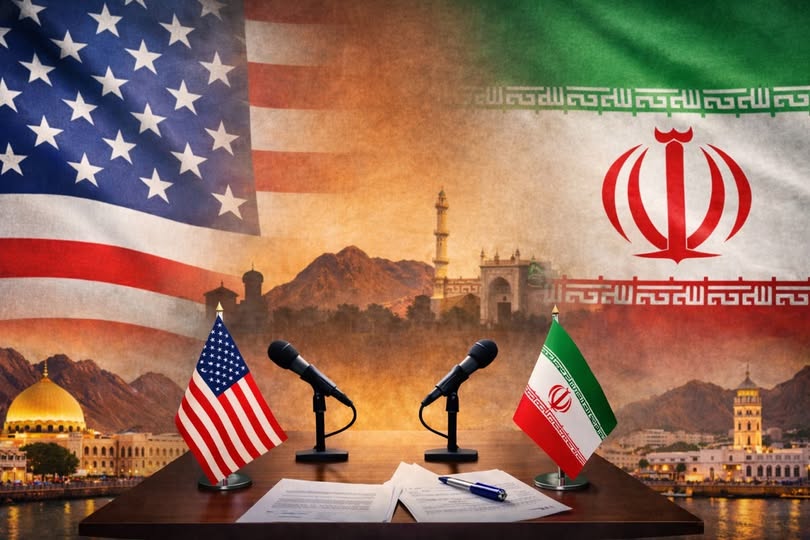
The “Islamabad Summit” marks a critical, high-stakes moment in what has been a volatile year. Happening on April 10, 2026, Vice President JD Vance is indeed traveling to the Pakistani capital to lead a delegation that includes Special Envoy Steve Witkoff and Jared Kushner.
This summit is being viewed as a “last-ditch” effort to stabilize a region that has been at war for roughly six weeks.
The primary goal is to solidify a fragile, two-week ceasefire mediated by Pakistan. The conflict, which escalated sharply following coordinated U.S. and Israeli strikes on February 28, has seen unprecedented disruption to global energy markets and the strategic Strait of Hormuz.
President Trump has demanded the “complete, immediate, and safe opening” of the Strait of Hormuz as a condition for suspending military action. He has tasked VP Vance historically a skeptic of open-ended foreign interventions to find a diplomatic off-ramp.
Following the death of Supreme Leader Ali Khamenei in the initial strikes, the Iranian delegation (expected to be led by Parliament Speaker Mohammad Bagher Ghalibaf) is seeking security guarantees. However, tensions remain high due to continued Israeli operations in Lebanon and conflicting interpretations of the truce.
Pakistan has stepped into a historic role as the primary backchannel, similar to its role in the 1970s opening of China.
The situation in Islamabad is one of “anticipation and anxiety.” While President Trump recently described an Iranian proposal as a “workable basis” for a deal, he also issued a stark warning that the U.S. is prepared to restart offensive operations at a moment’s notice if the ceasefire terms are violated.
The world is watching closely; a breakthrough could prevent a wider “civilizational” conflict, but with the Strait of Hormuz effectively a trigger point, the margin for error is razor-thin.