The Nigerian Senate has stepped up efforts to overhaul the country’s agricultural colleges and research institutions as part of a broader plan to revitalise agricultural education, improve food production, and create employment opportunities across the country.
The initiative, spearheaded by the Senate Committee on Agricultural Colleges and Institutions, involves strategic engagements with key global partners including Malaysia, the European Union, Brazil, China, Germany, India, and the United Kingdom. The partnerships are expected to focus on reforms, technology transfer, capacity building, and fresh investments into Nigeria’s agricultural sector.
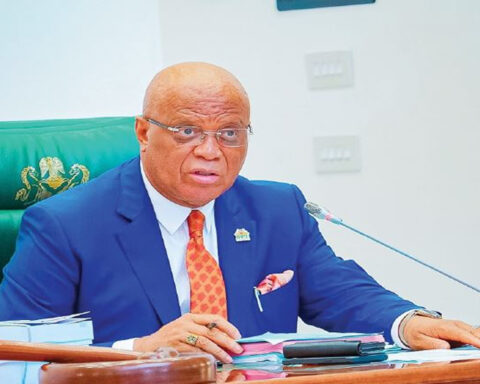
Chairman of the Senate Committee, Sharafadeen Alli, disclosed this during a series of high-level visits to diplomatic missions in Abuja. According to him, the National Assembly is determined to harness international expertise and best practices to reposition Nigeria’s agricultural institutions to meet modern demands.
He explained that many agricultural colleges and research institutions in Nigeria face challenges such as outdated facilities, inadequate funding, limited access to modern technology, and insufficient research support. These challenges, he said, have affected the country’s ability to fully utilise its agricultural potential despite having vast arable land and a large population engaged in farming.
According to Sharafadeen Alli, the collaboration with international partners is expected to introduce modern farming technologies, improve research output, promote mechanised agriculture, and strengthen training for students and agricultural professionals.
The Senate Committee noted that countries such as Brazil and Malaysia have made significant progress in agricultural research and mechanised farming, while the European Union and Germany are known for advanced agricultural technology and research systems. Partnerships with these countries are expected to help Nigeria modernise its agricultural education system and research infrastructure.
The engagement also includes discussions on student exchange programmes, training for lecturers and researchers, joint research projects, and investment opportunities in agro-processing and agricultural value chains.
The Senate Committee believes that revitalising agricultural colleges and research institutions will play a major role in addressing unemployment by equipping young Nigerians with practical agricultural skills and entrepreneurial knowledge. This, in turn, is expected to boost food production, reduce food imports, and strengthen Nigeria’s economy.
Observers say the move is timely, especially as Nigeria continues to face food security challenges, rising food prices, and the need to diversify the economy away from oil dependency. Strengthening agricultural research institutions is seen as a critical step toward improving crop yields, livestock production, and food processing.
Speaking during the diplomatic engagements, Sharafadeen Alli stressed the National Assembly’s commitment to ensuring that agricultural institutions in Nigeria become centres of excellence capable of driving innovation and supporting national development.
The Senate Committee also emphasised that the reform initiative will not only focus on infrastructure but also on policy reforms, improved funding mechanisms, and stronger collaboration between government, the private sector, and international partners.
If successfully implemented, the planned reforms are expected to transform Nigeria’s agricultural education system, improve research and innovation, and position the country to better compete in the global agricultural market.
As discussions continue with diplomatic missions of Malaysia, the European Union, Brazil, China, Germany, India, and the United Kingdom, stakeholders say the success of the initiative will depend on sustained political will, proper implementation, and transparency in the use of resources.
For now, the Senate’s outreach signals a new push to modernise Nigeria’s agricultural sector through international cooperation, with the goal of boosting productivity, building capacity, and creating jobs for millions of Nigerians.