Operations across key oil facilities are expected to return to normal after the Petroleum and Natural Gas Senior Staff Association of Nigeria (PENGASSAN) suspended its industrial action against Seplat Energy Plc following fresh commitments by the company’s management to address workers’ welfare concerns and conclude negotiations on the 2026 Collective Bargaining Agreement.
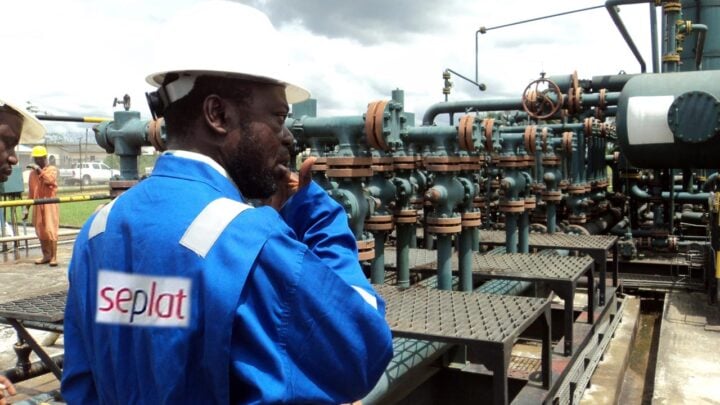
The decision, which takes immediate effect, brings to a temporary close days of tension that had resulted in service withdrawals across Seplat’s operations, raising fears of possible disruptions to oil production and export activities. The industrial action had affected operations in several strategic locations, including Lagos, Abuja, Port Harcourt, Eket, Qua Iboe Terminal, and offshore facilities, where union members had withdrawn critical services in protest over unresolved welfare issues and delays in concluding the Collective Bargaining Agreement.
In a letter addressed to members across the company’s locations, the union said the suspension followed what it described as “constructive and productive engagements” involving the management of Seplat, union leaders, and key stakeholders in the industry. The letter, obtained by our correspondent on Saturday, indicated that both parties had reached an understanding that paved the way for the temporary suspension of the strike to allow negotiations to continue in a more conducive atmosphere.
According to union sources, the decision to suspend the industrial action was not taken lightly, as members had expressed frustration over what they perceived as delays in addressing welfare concerns, remuneration issues, and other conditions of service tied to the 2026 Collective Bargaining Agreement. However, the union leadership said it was encouraged by the renewed commitment shown by Seplat’s management during the latest round of discussions.
Industry observers say the dispute had begun to attract attention within Nigeria’s oil and gas sector due to Seplat’s strategic role as one of the country’s leading indigenous energy companies with significant onshore and offshore assets. Any prolonged disruption, they noted, could have affected production volumes and government revenue at a time when Nigeria is working to stabilise crude oil output and improve foreign exchange earnings.
Sources familiar with the negotiations said the new commitments made by the company include timelines for concluding the Collective Bargaining Agreement, a review of certain welfare packages, and the establishment of a joint committee to address outstanding labour issues. The union said it would closely monitor the implementation of these commitments during the suspension period.
The letter to members emphasized that the suspension of the strike does not mean the issues have been fully resolved, but rather reflects the union’s willingness to give dialogue a chance following assurances from management. The union also urged members to resume their normal duties while negotiations continue, warning that the industrial action could be resumed if the company fails to honour its commitments.
The development has been welcomed by stakeholders in the petroleum industry, many of whom had expressed concern that the dispute could escalate into a full shutdown of operations. Analysts say the quick intervention and renewed negotiations demonstrate the importance of dialogue in resolving labour disputes in Nigeria’s critical oil and gas sector.
For now, the focus shifts to the negotiation table, where both PENGASSAN and Seplat Energy Plc are expected to work out final terms for the 2026 Collective Bargaining Agreement. Workers, industry regulators, and government officials will be watching closely, as the outcome of the negotiations could set the tone for labour relations within the company and potentially across the wider oil and gas industry.
As operations resume and tensions ease, the suspension of the strike offers a temporary relief to Nigeria’s oil production outlook, but the final resolution of the dispute will depend on how quickly and effectively both parties can translate their renewed commitments into concrete agreements that address workers’ concerns while ensuring the company’s operational stability.