The war between Israel and the Lebanese militant group Hezbollah has entered a dangerous new phase, marked by heavy airstrikes, mounting casualties, and growing fears that the conflict could widen across the Middle East.
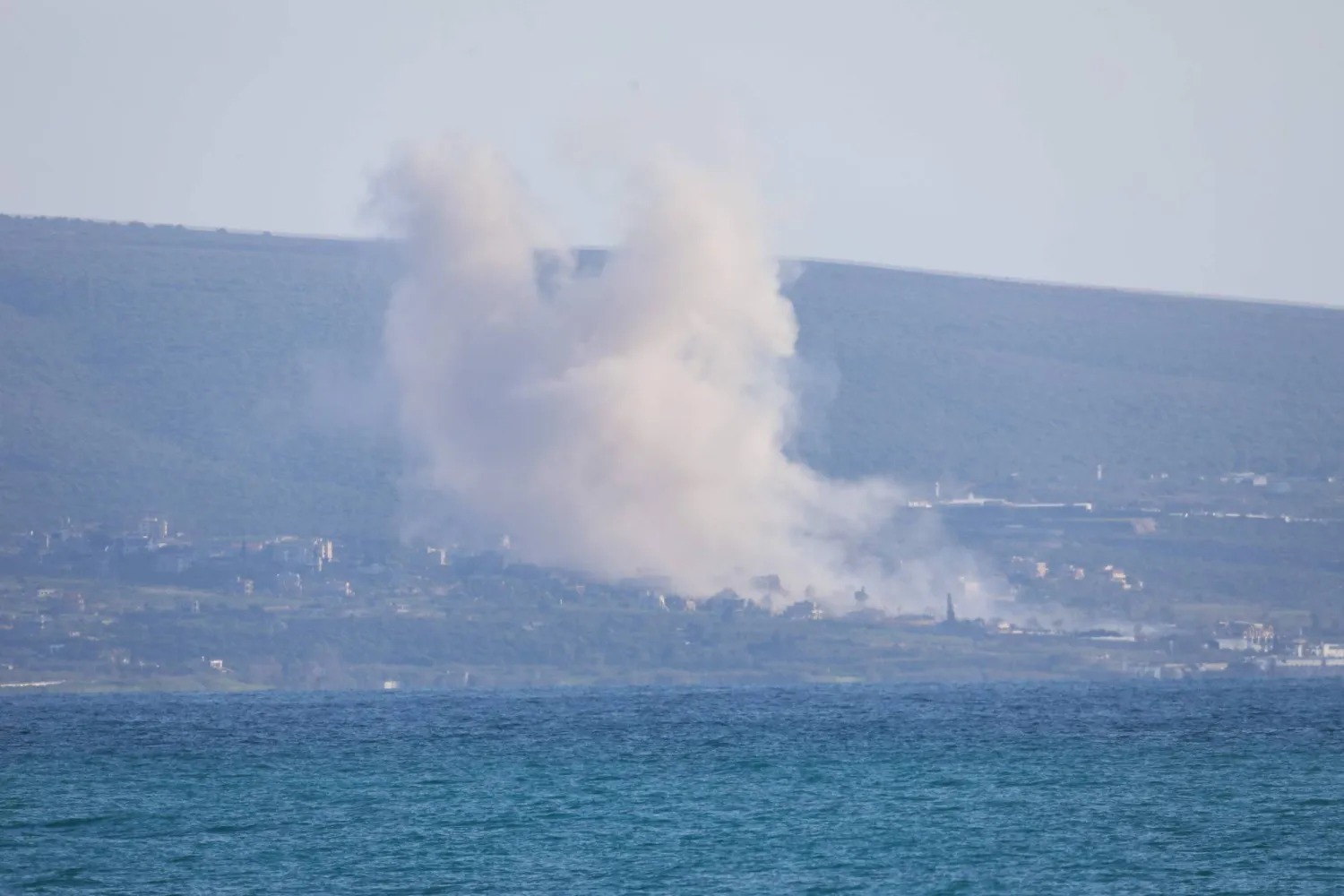
In what military officials described as one of the most intense campaigns in recent years, Israel said it had struck more than 3,500 targets across Lebanon in the month since the fighting began. The strikes, according to the Israeli military, were aimed at weakening Hezbollah’s operational capacity by targeting what it called terrorist infrastructure, weapons storage facilities, rocket launch positions, and command centers.
The conflict, which has now lasted for weeks, began on March 2 when Hezbollah launched rockets into northern Israel. The group said the attack was in retaliation for a joint US-Israeli operation that reportedly killed Iran’s supreme leader, Ali Khamenei, an event that dramatically escalated tensions across the region and drew Lebanon into the broader Middle East crisis.
Since then, Israel has responded with massive airstrikes across Lebanese territory as well as a ground offensive targeting Hezbollah positions near the border and deeper داخل the country. Israeli military authorities said the operations were aimed at preventing further rocket attacks and dismantling Hezbollah’s military infrastructure.
According to Israeli military figures released on Friday, approximately 1,000 Hezbollah fighters have been killed during the past month of fighting. However, Hezbollah has not officially confirmed the number of casualties among its fighters, and independent verification remains difficult due to the ongoing conflict.
While military targets remain the primary focus of Israeli operations, the human cost of the war continues to rise sharply. Lebanon’s health ministry reported that at least 1,345 people have been killed and 4,040 wounded since the fighting began. The casualties include men, women, and children, as well as dozens of healthcare workers caught in the conflict.
Hospitals in parts of Lebanon have reportedly been overwhelmed, with medical workers struggling to cope with the number of injured civilians arriving daily. The destruction of infrastructure, including roads and communication networks, has also made rescue operations more difficult in some areas.
The conflict has forced thousands of families to flee their homes, particularly in southern Lebanon where the fighting has been most intense. Many displaced families are now living in temporary shelters, schools, and public buildings, relying on humanitarian assistance for food, water, and medical care.
Analysts warn that the conflict between Israel and Hezbollah is particularly dangerous because of the military capabilities on both sides. Hezbollah is believed to possess a large arsenal of rockets and missiles, while Israel has one of the most advanced militaries in the world, making the confrontation potentially devastating if it continues to escalate.
There are also growing concerns that the conflict could draw in other regional powers, especially given Hezbollah’s close ties to Iran. Any further escalation could transform the conflict from a border war into a wider regional confrontation involving multiple countries and armed groups.
International organizations and world leaders have called for restraint and a ceasefire, warning that the humanitarian situation in Lebanon is worsening and that continued fighting could destabilize the entire region.
Despite these calls, both sides appear determined to continue their military operations. Israel insists it must stop rocket attacks and secure its northern border, while Hezbollah says it will continue its operations as part of what it calls resistance against Israel.
As the war enters another month, civilians on both sides remain the most affected, with lives disrupted, homes destroyed, and uncertainty growing about how long the conflict will last.
For many observers, the situation reflects the fragile and volatile nature of Middle East politics, where a single event can quickly escalate into a large-scale conflict involving multiple countries and armed groups.
With no clear end in sight, the world continues to watch closely, hoping that diplomatic efforts will succeed before the conflict expands further and the human toll rises even higher.