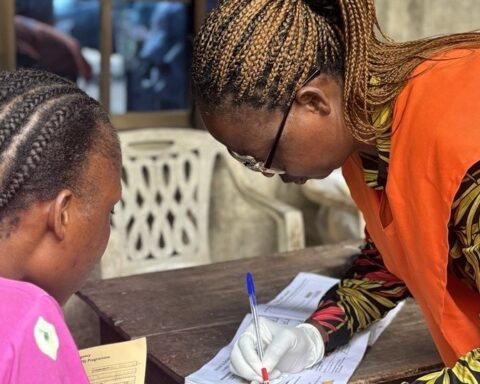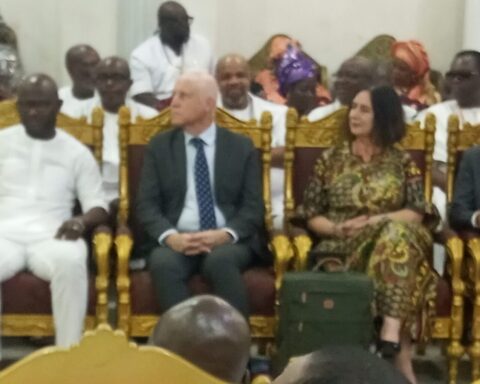
The festival in Ozoro, Delta State, where a traditional cultural celebration in mid-March 2026 was marred by widespread reports of violence and sexual assault against women and girls.
The situation has sparked a national outcry, with human rights organizations and government officials calling for an end to harmful traditional practices that compromise public safety.
During the festival, video evidence surfaced on social media showing women and girls being openly harassed, chased, and assaulted by groups of men in public view.
The crisis escalated when some community members attempted to frame the violence as a “misinterpretation” of cultural practices or traditional norms. This led to a fierce debate over the limits of tradition versus the rule of law.
The Delta State Police Command has arrested at least 15 suspects in connection with the sexual assaults. While the police initially dismissed claims of a “rape festival,” the volume of evidence led to a massive crackdown.
These organizations have issued stern condemnations, stating that “no cultural festival can be used to excuse or conceal violence.” They are demanding the full implementation of the VAPP Act (Violence Against Persons Prohibition Act) to prosecute those involved.
Delta State Governor Sheriff Oborevwori has been called upon to ensure a transparent investigation. The state government has recently released white papers on previous communal crises in the area (such as the Ozoro-Oleh land dispute) to emphasize a commitment to peace and accountability.
Critics point to a “failure in plain sight,” noting that security agencies and community leaders failed to provide adequate protection during the event despite the predictable nature of the gathering.
This crisis has reignited a broader conversation in Nigeria regarding the “silence” surrounding similar incidents in the past and the urgent need for local kingdoms to modernize cultural practices to ensure they do not violate human rights.
Darlington O. | writer@DailyQuery