President Bola Ahmed Tinubu has assured Nigerian media organisations of the Federal Government’s support in addressing the growing influence of global technology companies and the economic challenges threatening the survival of local journalism.
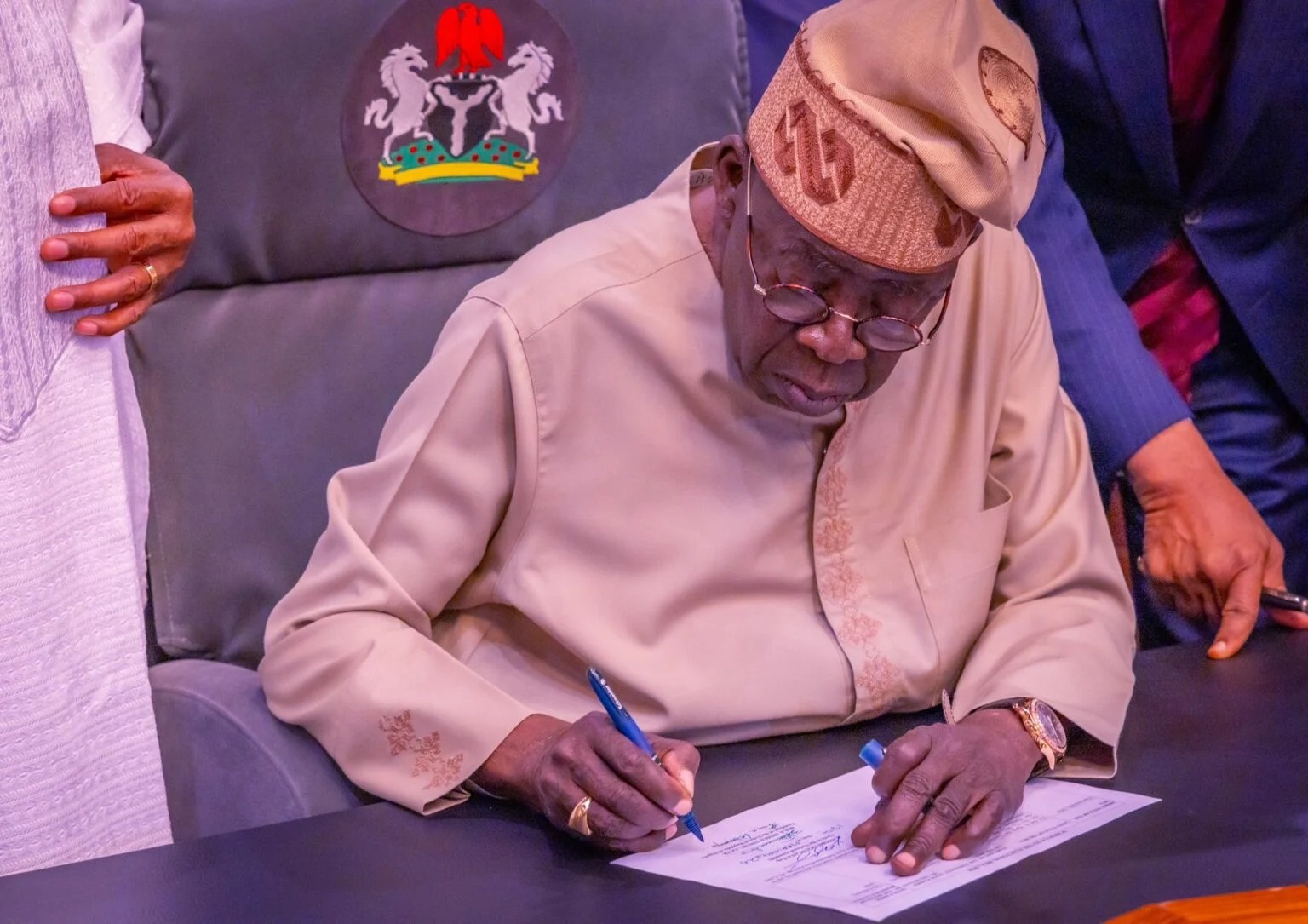
The president made the commitment during an interfaith dinner with a delegation from the Nigerian Press Organisation (NPO) at the State House in Abuja on Friday, where he emphasised the crucial role of the press in safeguarding democracy, strengthening national unity, and supporting economic reforms.
Tinubu described the Nigerian media as an “indispensable partner” in the country’s journey towards economic stability, press freedom, and social cohesion, noting that government and the press must work together to overcome challenges confronting the industry.
The president acknowledged concerns raised by media stakeholders regarding the growing dominance of global technology platforms—often referred to as “Big Tech”—which many publishers say are undermining the financial sustainability of traditional media organisations.
According to Tinubu, his administration is prepared to support evidence-based advocacy by Nigerian media groups aimed at addressing anti-competitive practices and protecting local content producers from what he described as “digital cannibalisation.”
Industry experts have long argued that large digital platforms benefit significantly from news content generated by traditional media houses while contributing little to their revenue streams.
Tinubu said his government recognises the seriousness of these concerns and would collaborate with relevant stakeholders to dismantle fiscal and regulatory hurdles currently facing the media industry.
The president assured the visiting delegation that his administration would work to create policies that encourage the growth and sustainability of the press while ensuring a fair digital marketplace for media organisations.
He noted that a strong and independent media is vital for transparency, accountability, and the overall health of democracy.
Tinubu further emphasised that as Nigeria pursues economic reforms and development initiatives, the role of the press in informing citizens and shaping public discourse remains essential.
The delegation was led by the President of the Nigerian Press Organisation and publisher of The Guardian Nigeria, Maiden Alex-Ibru.
Other prominent figures in the Nigerian media industry who attended the meeting included veteran journalist and former governor Olusegun Osoba; publisher of Vanguard Newspaper, Sam Amuka-Pemu; and chairman of THISDAY Newspapers and ARISE News Channel, Nduka Obaigbena.
Also present were the chairman of Channels Television, John Momoh; Director-General of the Nigerian Television Authority (NTA), Saliu Abdulhamid Dembos; veteran journalist Ray Ekpu; President of the Nigerian Guild of Editors, Eze Anaba; President of the Online Publishers Association of Nigeria, Danlami Nmodu; and President of the Nigeria Union of Journalists, Alhassan Yahya Abdullahi, among others.
During the meeting, members of the delegation reportedly discussed a range of issues affecting the Nigerian media landscape, including declining advertising revenues, rising operational costs, and the growing shift of audiences to digital platforms controlled by global technology companies.
They also emphasised the need for policies that protect the viability of local journalism while ensuring fair competition in the digital information ecosystem.
Media leaders highlighted that sustaining credible journalism is essential for democratic governance and informed citizen participation.
Tinubu reiterated that the Federal Government remains committed to safeguarding press freedom while promoting collaboration between government institutions and the media industry.
He stressed that a vibrant and economically sustainable press is necessary for maintaining public trust, combating misinformation, and fostering national development.
The president also noted that Nigeria’s democratic progress depends significantly on responsible journalism and constructive engagement between policymakers and media professionals.
Observers say the meeting reflects increasing attention to the economic pressures facing media organisations worldwide as digital technology continues to reshape the global information landscape.
For Nigerian media operators, Tinubu’s pledge signals a potential pathway toward policy reforms aimed at ensuring the survival and growth of local journalism in the face of evolving technological and economic challenges.