Human rights organisation Amnesty International has called on the Federal Government to urgently investigate a series of suspected gas leaks reported in Bille community in Rivers State, warning that the development poses a serious risk to the health and safety of residents.
In a statement issued on Monday, the organisation said the suspected methane leaks had been contaminating drinking water sources and affecting the wellbeing of people living in the coastal community of Bille in the oil-rich Niger Delta region.
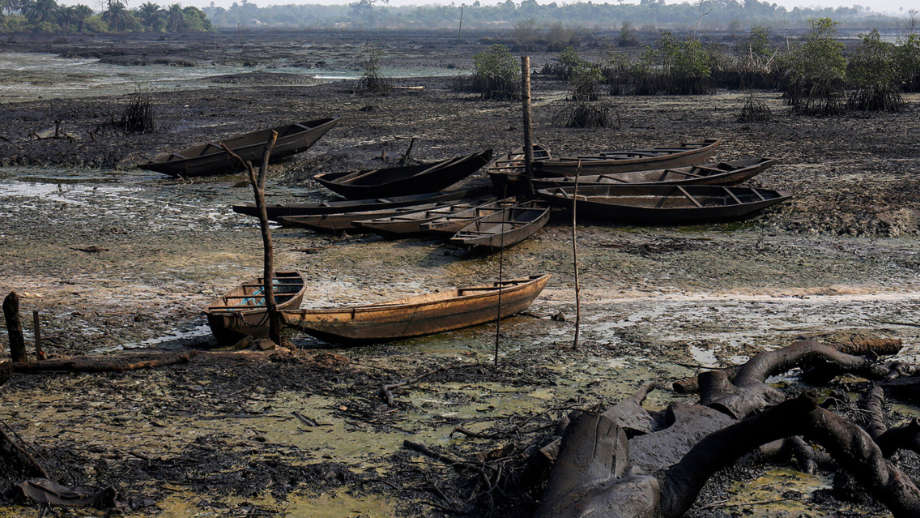
According to Amnesty International, the alarming situation was first noticed by local fishermen in October 2025 while working in a mangrove swamp and nearby river several kilometres from the town.
The fishermen reportedly observed unusual bubbling in the water, which was also accompanied by a strong sulphurous smell, raising concerns about possible gas emissions beneath the surface.
The organisation said that within a few days, similar incidents were reported at several other locations, including areas within the community itself, intensifying fears among residents about potential environmental contamination and health hazards.
Amnesty International warned that the continued presence of suspected methane in water sources could expose residents to serious environmental and public health risks, especially as many members of the community rely heavily on local water bodies for drinking, fishing and other daily activities.
The group therefore urged the Federal Government and relevant regulatory agencies to carry out an immediate and transparent investigation to determine the source of the leaks and implement urgent measures to protect the community.
It also called for authorities to ensure that residents are provided with safe drinking water and that oil and gas operators in the region are held accountable if found responsible for the incident.
Environmental concerns have long been a major issue in the Niger Delta, where oil exploration and production activities have frequently been linked to pollution, gas flaring and damage to local ecosystems, affecting the livelihoods and health of host communities.