A Consultant Gynecologist, Dr Tope Olowogbayi, said that underlying, uncontrolled health conditions contributed to complications and deaths that might occur in the course of surgical treatment of symptomatic uterine fibroids.
Olowogbayi, also a High-Intensity Focused Ultrasound (HIFU) Specialist, Fibroid Care Centre – a subsidiary of Nordica Fertility Center, made the assertion on Saturday in Lagos.
He spoke on the sideline of a conference organised by the Woman of Substance (WOS), to mark 2026 International Women’s Day (IWD).
IWD, marked annually on March 8, the theme for the 2026 IWD is “Give to Gain: The Power of Reciprocity and Support”.
According to Olowogbayi, symptomatic uterine fibroids are noncancerous muscular tumors that grow in or on the wall of the uterus, affecting 70 to 80 per cent of women by age 50.
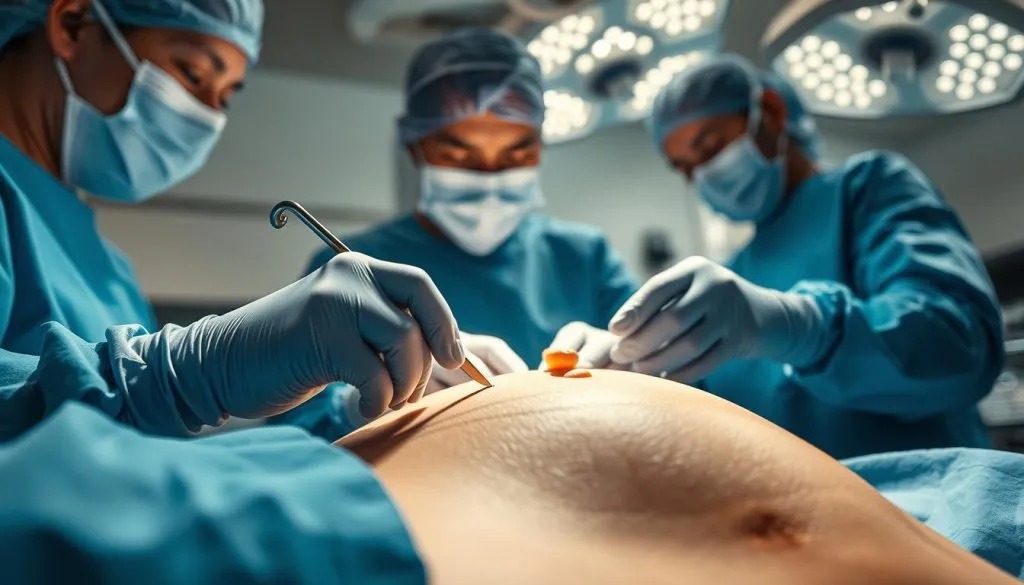
The HIFU specialist explained that some complications could occur following open surgery fibroid treatment procedure, which ranges from anaesthetic complications to uncontrolled/unstabilised pre-morbid health conditions.
The gynaecologist warned that uncontrolled health conditions could exacerbate symptoms like severe pain, heavy bleeding, and anemia, which might result to death of the woman.
He said: “A number of things could go wrong during or after an open surgery of fibroid, ranging from the anesthetic complications to unstabilised pre-morbid health conditions of the patient.
“People could react adversely to some of the drugs that are given during the procedure.
“Sometimes, it is possible that internal bleeding after the surgery may occur in the patient, and woman could die as a result.
“Most times, maybe the surgery had been successful, no issue at all.
“But because the patient is not moving around, the blood clot in the leg could get dislodged into circulation and that will block the patient’s breathing system, such that a woman that had surgery and was fine, after a day or two days, the woman will suddenly just collapse and die”.
The gynaecologist added that the pre-morbid condition of the patient was key to outcomes of fibroid treatment, emphasising the need to stabilise any underlying health condition before the surgery.
“Similarly, the pre-morbid condition of the patient is very important, and that’s why doctors need to properly evaluate a patient, to be able to stabilise any pre-morbid condition before the surgery.
“For instance, someone that is diabetic or hypertensive, doctors have to ensure that the diabetes or the hypertension is well controlled before the surgery,” Olowogbayi said.
Olowogbayi listed the treatment options of fibroid to include the HIFU, otherwise known as non-invasive procedure, open surgery – myomectomy, hysterectomy, alongside uterine artery embolization (UAE), radiofrequency ablation (RFA), and hormone therapy.
According to him, the treatment option is individualised, depending on the age, symptoms/health needs of the patient, saying that the treatment option for someone, who is approaching menopause may not be the same with someone within reproductive age group.
He said that all the treatment options were equally effective, stating that the non-invasive option was as effective as the open surgery, which had became the traditional treatment option that most doctors recommend.
“For the non-invasive treatment option; it does not disturb the anatomy of the womb, it does not affect the endometrial lining particularly the ovaries. And that is why a lot of women have been able to conceived after treatment, following the non-invasive option.
“Because it is non-invasive in nature as the name implies, there’s no scar formation at all – so, a woman will have her fibroid treated and nobody will know because there’s no scar.
Also, there’s short hospital stay because the woman is usually discharged after two hours of the treatment and could resume normal activities after 72 hours/three days.
“Unlike the adverse outcomes/complications associated with open surgery option, in the case of HIFU/non-invasive, none of such complications exist,” he said.
Contributing, the Clinic Manager, Nordica Fertility Centre, Ms Ranti Ajayi, said there were several reasons that could cause infertility in women, saying that uterine fibroid was one of them.
Ajayi urged women to ensure they engaged the service of a competent doctor, who would properly evaluate their condition to recommend the treatment option suitable for their needs.
She, therefore, called for safe spaces where women could be empowered to access knowledge on healthy living, stressing the need for women themselves to prioritise their well-being.