WARS often begin in places that feel very far away. Maps make distance look reassuring. They give the impression that a conflict unfolding thousands of kilometres away will remain the problem of those who live closest to it. Yet the modern world has quietly dismantled that illusion. Today, a missile launched in one corner of the world can echo through the markets, fuel stations and dinner tables of countries that have never seen the battlefield.
The crisis unfolding across the Middle East is one of those moments. Nigeria may sit comfortably outside the immediate theatre of conflict, yet the consequences are already travelling through the arteries of the global economy. They arrive not as explosions or troop movements but through disrupted air travels, oil prices, shipping costs, currency pressures and fragile trade routes.
At the centre of the tension lies the narrow waterway known as the Strait of Hormuz. It is one of the most strategic passages in the global energy system, carrying roughly one fifth of the world’s oil supply. When instability surrounds that corridor, the entire global oil market reacts almost instantly. Tankers slow down. Insurance costs surge. Speculation pushes prices higher even before the first shipment is interrupted.
For Nigeria the consequences reveal a painful paradox. The country remains one of the world’s largest crude oil producers, yet it continues to rely heavily on imported refined petroleum products. When global oil prices surge because of geopolitical tension, the federal treasury may anticipate higher revenue from crude exports. But ordinary Nigerians rarely experience that moment as good news.
Instead, the first signal appears at the filling station.
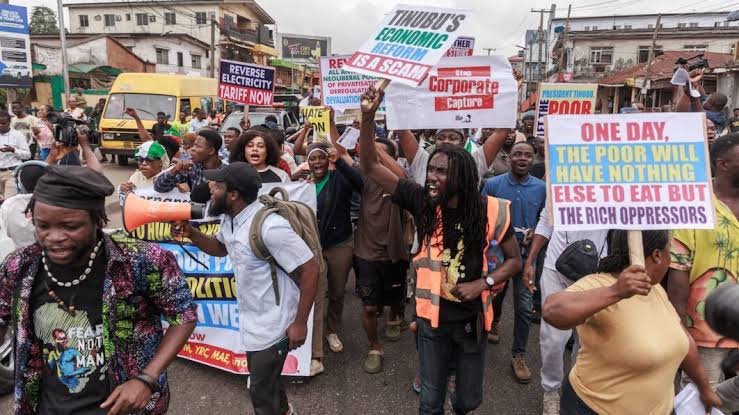
Petrol prices begin to climb as international costs rise. Diesel follows the same path. Cooking gas becomes more expensive. Within days transport fares begin to adjust across major cities. Commuters in Lagos discover that a bus ride now costs more. Traders moving goods from farms to urban markets quietly increase their prices. What began as a distant geopolitical confrontation suddenly becomes part of the daily mathematics of survival for millions of Nigerians.
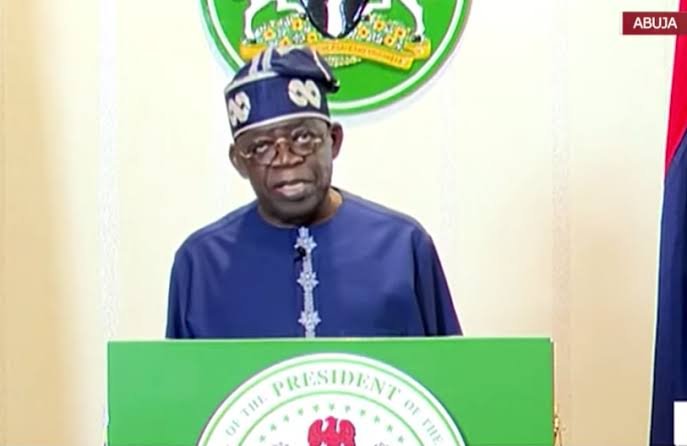
This vulnerability has been sharpened in recent years. After the removal of fuel subsidy by Bola Ahmed Tinubu in 2023, Nigeria’s fuel market became far more exposed to the fluctuations of global oil prices. The policy was meant to restore fiscal discipline and reduce the enormous burden subsidy payments placed on public finances. Yet it also means that when geopolitical tensions drive oil prices upward, Nigerians feel the impact much more quickly.
The country is still navigating the transition toward domestic refining. The emergence of the Dangote Refinery has created hope that Nigeria will finally reduce its dependence on imported fuel. But that transformation will take time. Until domestic refining fully stabilises supply, international disruptions will continue to shape what Nigerians pay at the pump.
Fuel prices rarely stay confined to the petrol station. They move quickly through the broader economy.
Manufacturers who depend on diesel generators to power factories immediately face higher operating costs. Nigeria’s electricity supply remains unreliable for many industries, forcing companies to rely heavily on self generated power. When diesel prices rise, production becomes more expensive. Those costs eventually show up in the price of cement, packaged food, plastics and household products.
Transport operators respond the same way. When fuel becomes more expensive, the cost of moving people and goods rises. Farmers transporting tomatoes, onions and grains from northern farms to southern markets must pay more for logistics. Market traders then adjust their prices to protect their margins. Consumers encounter the final result in higher food prices.
Another layer of pressure appears in the foreign exchange market. Oil exports provide the majority of Nigeria’s foreign earnings. When global crises disrupt energy markets, currency traders become cautious and investors grow nervous. The Naira often comes under pressure as demand for Dollars increases.
For the Central Bank of Nigeria this creates an already familiar challenge. Stabilising the currency becomes more complicated when international volatility collides with domestic economic adjustments. Importers who must pay for goods abroad scramble for foreign exchange, pushing costs higher across the economy.
Global shipping routes also carry the consequences of distant wars directly to Nigerian shores. As tensions rise in strategic maritime corridors, freight companies add significant war risk insurance to their charges. A single container travelling through sensitive waters may suddenly carry insurance costs several times higher than normal.
Those increases eventually surface at Nigeria’s busiest ports, particularly the terminals at Apapa Port and Tin Can Island Port. Importers clearing cargo discover that the cost of bringing goods into the country has increased. Traders pass those costs to consumers. The price of electronics, spare parts, household appliances and everyday items quietly climbs.
Exporters are not immune either. Nigeria sends agricultural commodities such as sesame seeds, ginger and cashew nuts to markets across the Middle East and Asia. When shipping becomes unpredictable and insurance costs surge, those trade flows face delays and higher expenses. For farmers and exporters who depend on stable logistics, even small disruptions can cause significant losses.
Beyond trade and fuel markets lies another powerful connection between Nigeria and the Gulf region. Thousands of Nigerians live and work across Middle Eastern cities, sending money home every month to support families and communities.
Cities such as Dubai, Doha and Riyadh host Nigerian engineers, teachers, doctors, nurses, artisans and entrepreneurs whose earnings sustain relatives back home. These remittances pay school fees, finance businesses and help many families maintain financial stability.
If instability spreads across labour markets in the Gulf, even modest disruptions could weaken these vital financial lifelines. A delayed salary abroad can quickly become a crisis for a household in Lagos, Benue or Kaduna that depends on that support.
Air travel also reveals how closely Nigeria is tied to the region. The Gulf serves as a major transit bridge for Nigerians travelling to Asia, Europe and North America. Flights connecting through cities like Dubai and Doha carry thousands of Nigerian students, professionals and tourists every year. When tensions trigger airspace restrictions or flight suspensions, the disruptions ripple through travel plans, business engagements and academic journeys.
Security agencies also monitor these global tensions carefully. Conflicts in the Middle East often produce ripple effects beyond the battlefield, including cyber threats, financial crimes and extremist propaganda that travel across digital networks. While Nigeria is geographically distant from the conflict zone, the interconnected nature of modern security means vigilance remains essential.
Yet the most important lesson emerging from this crisis is not simply about oil prices or trade disruptions. It is about economic resilience.
Countries that refine their own fuel, diversify their exports and strengthen domestic industries are far better equipped to absorb global shocks. Nations that remain dependent on fragile supply chains and volatile commodities feel every tremor more intensely.
Nigeria stands somewhere between these two realities. The promise of domestic refining, agricultural expansion and industrial growth offers hope for a stronger and more resilient economy. But until those foundations are firmly established, global crises will continue to expose the country’s vulnerabilities.
The missiles may fall in distant deserts. The soldiers may march across foreign borders. Yet the consequences still find their way into Nigerian homes through rising fuel prices, climbing food costs and fragile economic stability.
That is the quiet truth of the modern world. In an age of deep global interconnection, no nation is ever truly distant from war. And for Nigeria, the real battlefield often appears not on foreign soil but in the daily struggle of ordinary citizens trying to keep their lives afloat while distant conflicts reshape the global economy.
In a world this connected, Nigeria cannot afford the luxury of economic fragility. Because when distant wars erupt, the missiles may land in the Middle East, but the bills eventually arrive in Nigerian homes.
Shaakaa can be reach on:
shaakaastephanie@yahoo.com