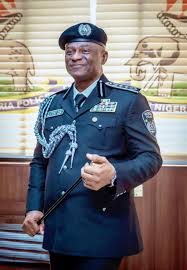
The newly appointed Inspector-General of Police, Olatunji Disu, on Wednesday declared that the establishment of state police in Nigeria has become inevitable, signalling a significant shift in the leadership position of the Nigeria Police Force on the long-debated issue. Disu made the remark at the Aso Rock Presidential Villa in Abuja shortly after taking the oath of office and allegiance before President Bola Ahmed Tinubu.
His statement marks a departure from the stance of previous Inspectors-General of Police, including the immediate past police chief, Kayode Egbetokun, who had opposed the proposal for the creation of state police despite growing calls for decentralised policing across the country. Disu, who became the 23rd Inspector-General of Police, assumed office following the confirmation of his appointment by the Nigeria Police Council earlier in the week.
The swearing-in ceremony took place at the Council Chambers of the Presidential Villa shortly before the commencement of the meeting of the Federal Executive Council. Speaking after the ceremony, Disu acknowledged the increasing security challenges facing Nigeria and emphasised the need for innovative and practical approaches to addressing internal security threats.
He noted that discussions around the establishment of state police have gained considerable traction in recent years, particularly as state governments continue to demand greater control over local security operations. According to him, the idea of state police has now reached a stage where it can no longer be ignored as part of the broader effort to strengthen security architecture in the country.
Observers say Disu’s endorsement represents a notable policy shift within the Nigeria Police Force, especially given the long-standing reservations expressed by past police leadership about the potential risks of decentralised policing. His predecessor, Kayode Egbetokun, had consistently argued that the creation of state police could expose the system to political interference and abuse by state authorities.
However, advocates of the proposal have maintained that decentralising policing would enhance rapid response to crimes and improve intelligence gathering at the local level. The debate over state police intensified after President Tinubu and several state governors indicated support for the initiative as part of broader efforts to address insecurity, including banditry, kidnapping and communal conflicts in different parts of the country. Security analysts believe the endorsement of the proposal by the new Inspector-General could help advance discussions on possible constitutional and institutional reforms required to establish state-controlled police structures.
Disu’s tenure begins at a time when Nigeria faces complex security challenges that require stronger coordination among federal, state and local authorities. His leadership is expected to focus on strengthening operational efficiency, improving intelligence-led policing and rebuilding public confidence in the Nigeria Police Force. With the new police chief signalling openness to structural reforms such as state policing, attention is likely to shift toward how the federal government and the National Assembly will handle the legal and constitutional processes necessary to implement the proposal. For many observers, the new Inspector-General’s position has added fresh momentum to the ongoing national conversation on how best to reform Nigeria’s security architecture and improve the safety of citizens across the country.