Once again, we are in election season; a season of anomy; a season of thuggry, when political hoodlums commit havoc against opponents with impunity. The battle line is being drawn. The other day, Mr. Peter Obi the ADC potential flag bearer was attacked in Benin, Edo State by APC thugs, who shot sporadically and chased him to the house of the former APC chairman Odigi Oyegun. Vehicles in his entourage were smashed. Luckily, Peter Obi escaped unhurt. That is it. Nigeria’s elections go with chaos, violence and bloodshed.
Thus, ahead of the elections, there is mounting fears and apprehension that the stage is being set for Nigeria to be dragged to the edge. This is not the first time. In the run up to every election in the country, politicians and sundry actors heat up the polity with threats of violence. The overvaulting ambition of some politicians, particularly, those seeking re-election for second term who want to win at all cost, creates an atmosphere of impending doom. The atmosphere is over-charged, and it looks like life is ending with the election. It is pertinent to warn politicians not to drag the country to the precipice, yes, to the edge, because there is life after the election.
Amid the heightened activities of politicians, insecurity is a major issue. The other day, the Catholic Bishops Conference of Nigeria warned that the country’s worsening insecurity could undermine the credibility of the elections. The bishops have urged the government to address the root causes of insecurity, including poverty, corruption and unemployment.
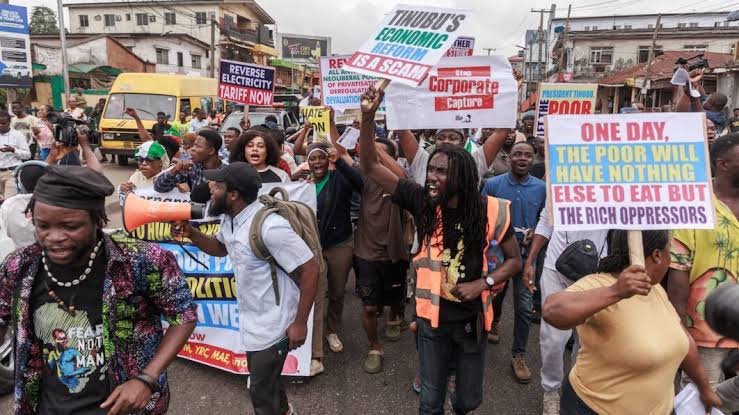
The economic situation is also a concern, with many Nigerians struggling to make ends meet. The YIAGA Africa report warns that poverty and economic hardship could lead to increased vote-buying and manipulation.
There are also concerns about the independence and credibility of the Independent National Electoral Commission (INEC). Many people argue that INEC’s ability to conduct free and fair election has been compromised by political interference by the powers that be. And by so doing, create room for possible resentment, confrontation and violence.
Consequently, there is fear of election violence, insecurity and disputed results might lead to violence, thereby destabilizing the country. Citizens might lose faith and trust in democratic institutions, which undermines the legitimacy of government.
There is economic impact in the event of election violence. Investor confidence could plummet, affecting economy and development. Economic hardship and perceived electoral injustice, rigging might spark widespread protests. Unbridled power struggles and defections could trigger instability in the polity.
Nigeria has seen its fair share of election tension. The 2011 post-election violence was brutal, with over 800 deaths after Goodluck Jonathan was declared winner of the polls. At least 10 youth corps members were killed specifically in Bauchi. There was widespread rioting and sectarian killings in 12 northern states resulting in the deaths.
The 2015 elections were also intense before the tension was doused after President Jonathan conceded defeat. The 2023 elections were allegedly rigged in favour of the ruling APC, but crises were quickly contained.
Some of the factors that contribute to tensions include: ethno-religious differences, which politicians often exploit to cause chaos. Economic instability caused scarcity and high cost of fuel. Electoral irregularities whether perceived or real spark outrage.
It is possible to mitigate the risk of violence in the 2027 elections using multi-faceted approaches. First is to strengthen INEC by ensuring that the Commission has autonomy, resources and skilled personnel.
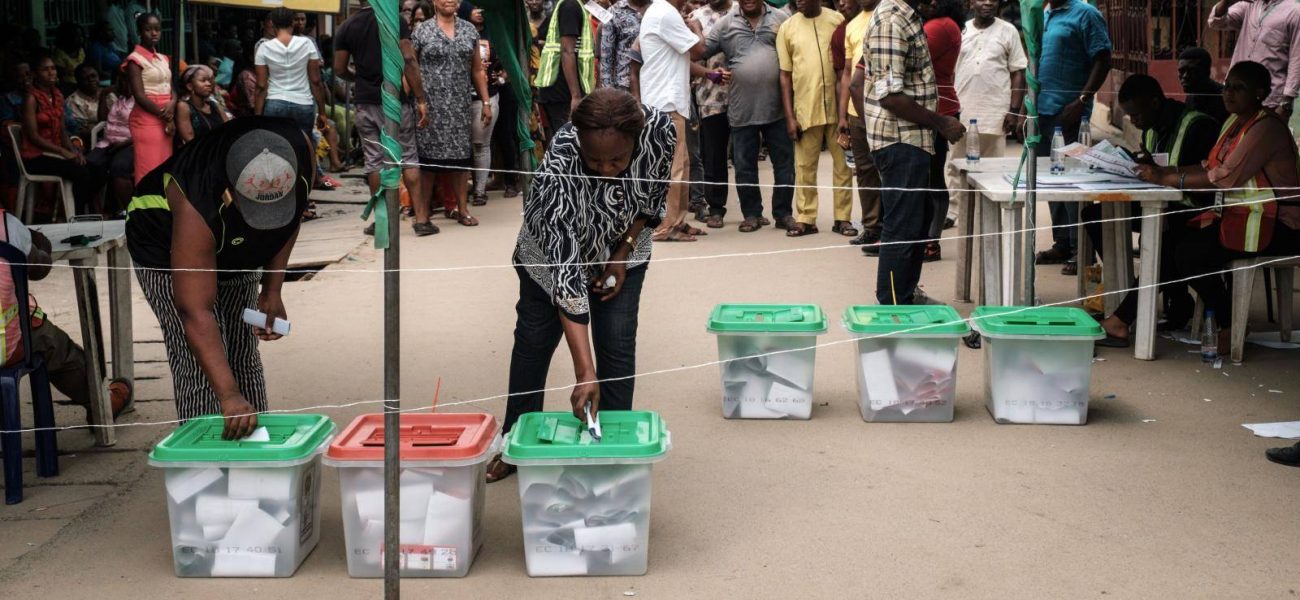
Next is electoral reform – implement real-time electronic transmission of results, biometric voter registration, and transparent vote count. The issue of voter education is also crucial. Citizens should be empowered with information on voting processes and their rights.
Furthermore, there should be adequate security measures, impartial security personnel should be deployed to protect electoral materials from hoodlums. There is need for parties and political stakeholders to dialogue and build consensus on electoral reforms. There should be international observers and partners to enhance transparency and accountability. International observer report or verdict is usually more credible and reliable because there is no vested interest.
The 2025 general elections in Nigeria are shaping up to be a crucial test for democracy in the country. The INEC is gearing up for the elections. Different activities are being carried out in preparations for the poll. Some of the processes include technology integration of Bimodal Voter Accreditation system (BVAS) and INEC result viewing portal (IREV), logistics planning, among others.
The ruling APC appears to be gaining momentum through high profile defections, but faces serious challenges due to economic hardship which could sway voters. Opposition coalition could pose significant challenge to APC. Add this to the over 70 percent youth population that could sway the election.
As things stand, the elections outcome is uncertain, with possibilities ranging from a change in leadership to increased instability. The APC’s chances of losing the election could be influenced by several factors including high-profile defections, such as that of Rauf Aregbesola to the African Democratic Congress (ADC), and Nasir El-Rufai. The support base of these two men is more than five governors defecting from PDP to APC.
The opposition parties are optimistic about their chances, citing APC’s internal divisions. Finally, the APC’s decision on whether to retain Vice President Kashim Shettima as running mate could rob it of its support base in the North.
Over and above all of this is the fact that Nigeria has a history of violent elections because politicians employ all manner of intrigues and try to manipulate the poll. Can the 2027 be different?
Dr. Onyekakeyah, a former member of the Guardian Editorial Board, is a public affairs commentator and a Daily Query columnist.