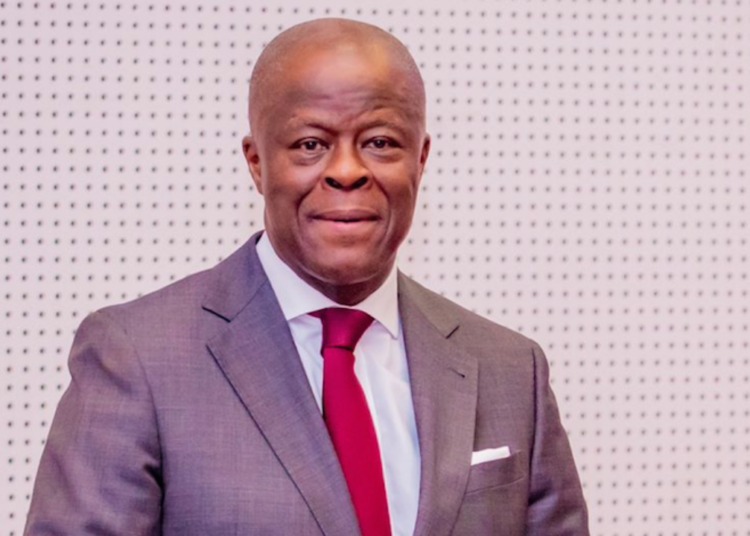
The Minister of Finance and Coordinating Minister of the Economy, Mr. Wale Edun, has warned that about 50 per cent of low-income countries are either already in debt distress or at high risk of sliding into it, calling for urgent and coordinated global action to address the crisis.
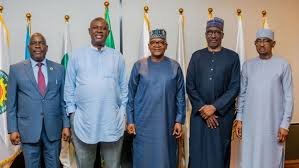
Edun spoke on Thursday at the ongoing Technical Group Meeting of the Group of 24 (G-24) in Abuja, where finance ministers and central bank officials are meeting to discuss pressing economic challenges facing developing nations.
Although he did not specify where Nigeria stands in his assessment, the World Bank classifies Nigeria as a lower-middle-income country for the 2024–2026 period, not a low-income country.
Nigeria’s public debt, however, has been on an upward trajectory since 2023, with estimates putting it at an all-time high of about $100 billion. The country’s debt service-to-revenue ratio is projected at 47 per cent in 2025, underscoring the growing fiscal pressure on government finances.
Edun noted that debt servicing has become a major burden for many countries in the Global South, warning that total annual debt service payments by debtor nations now exceed the combined inflows of Overseas Development Assistance (ODA) and Foreign Direct Investment (FDI) from the Global North.
He stressed that the current situation threatens development gains and limits the fiscal space required for investments in infrastructure, healthcare, education and climate resilience.
“The gathering was an opportunity to re-shape the development trajectory of the Global South at a time when global risks are converging faster than institutions can respond,” Edun said.
He called for reforms in the global financial architecture, including more flexible financing arrangements, enhanced debt restructuring frameworks and increased concessional funding to support vulnerable economies.
Participants at the G-24 meeting are expected to deliberate on strategies to strengthen financial resilience, promote sustainable growth and amplify the voice of developing countries in global economic governance.