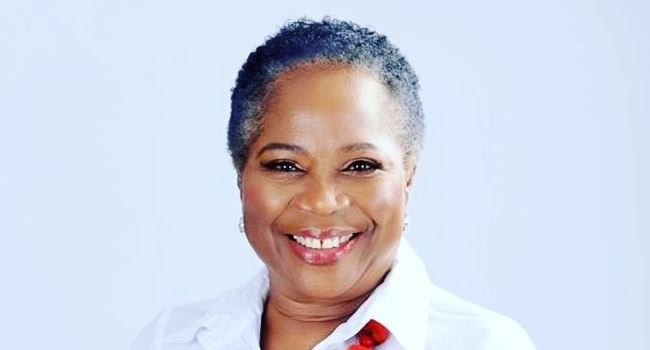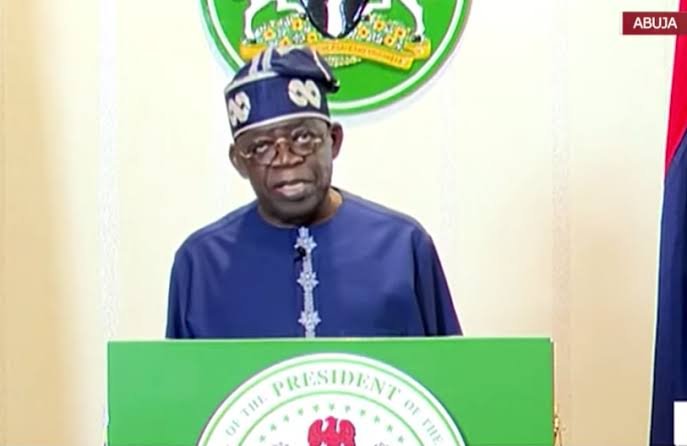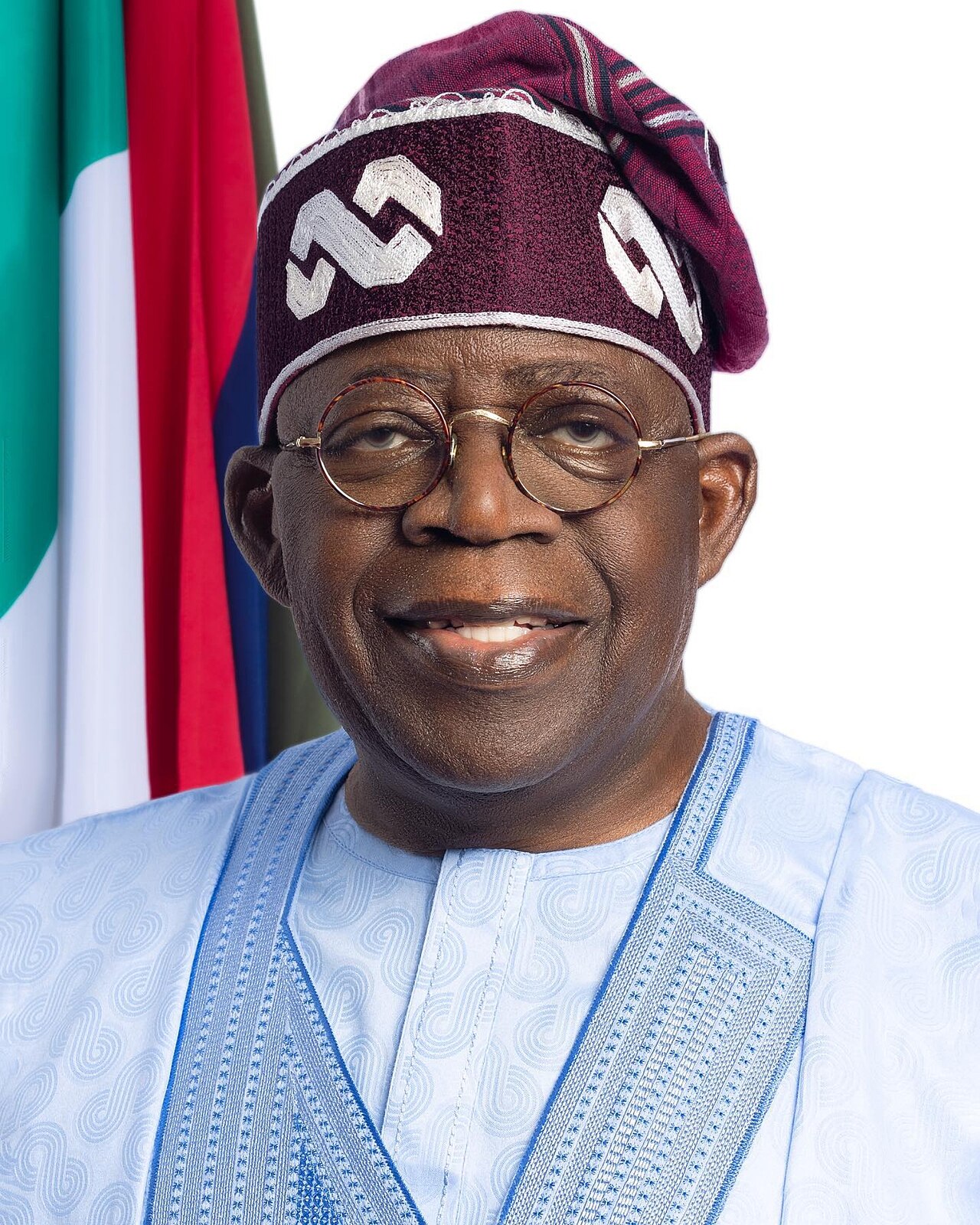
The declaration, the other day, by Loretta Onochie that President Bola Ahmed Tinubu’s political era is over, and even added that “Tinubu is gone” has engendered anxiety and apprehension over the fate of Tinubu, the incumbent President in the forth-coming 2027 elections. The worsening uncertain state of affairs in the country has added to the anxiety, which is a natural reaction to the ugly situation.
Onochie, a farmer aide to ex-president Muhammadu Buhari, who campaigned for Tinubu in the 2023 elections; said Tinubu has no pathway to return to power in 2027. She criticized his administration over poor governance and electoral transparency.
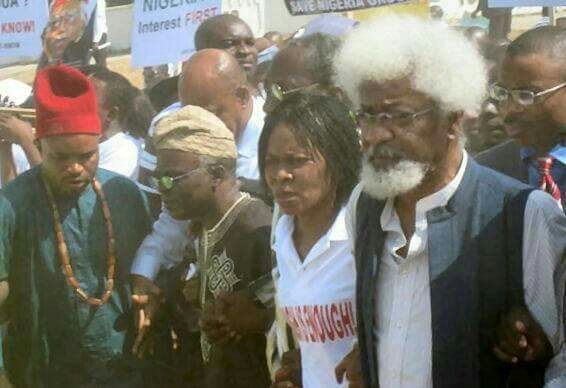
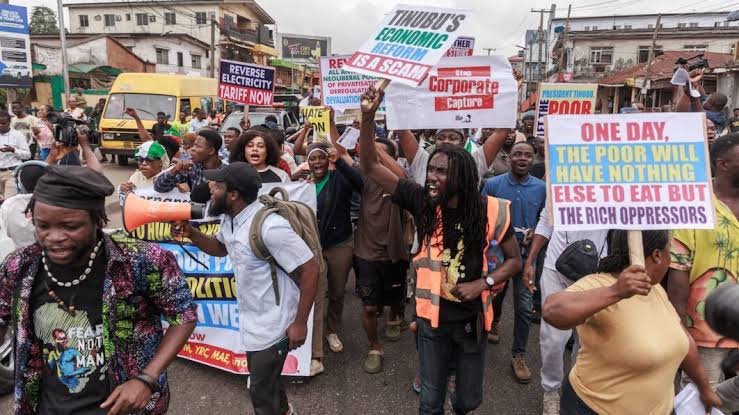
Onochie’s comments reflect the growing tensions within the ruling APC, with some members expressing dissatisfaction with Tinubu’s policies and leadership style. She also joined protests advocating for mandatory electronic transmission of election results, which further highlights her stance against Tinubu’s administration.
Onochie is not alone in the anti-Tinubu stance. Some APC members are openly opposed to the president, including notable figures like Nasir El-Rufai, who has been vocal about his discontent with Tinubu’s administration. El-Rufia has accused Tinubu of having no clear economic vision and appointing unqualified individuals to key positions.
In the same vein, former Minister of Transportation, Chibuike Rotiani Ameshi has declared that if Nigerians vote Tinubu in 2027, he and his wife will relocate to Ohana and settle there.
Other opposition comes from within the party, with some members feeling sidelined or marginalized. There are concerns about internal conflicts and power struggles within the APC, which could lead to fragmentation. There is observable tension between the old and new members, threatening the stability of the party. A party facing a formidable opposition ought to be more united but not APC.
Against the backdrop of the foregoing, some think that the opposition is gaining momentum and that Tinubu’s administration faces challenges, including the ravaging economic hardship and security concerns.
Tinbu’s supporters hinge his potential success on his much-talked about reforms and to some extents, the lack of a strong unified opposition. There are some support groups and stakeholders expressing confidence in his re-election bid. Overall, while opinions are divided, Tinubu’s supporters are optimistic about his re-election.
Notwithstanding the optimism being expressed by Tinubu’s supporters, the weak points that may work against him include his economic policies, which have been criticized for worsening people’s living conditions and increasing inequality. The removal of fuel subsidy and currency liberalization has led to high inflation and a devaluation of the naira, which has negatively affected most Nigerians.
Specifically, Tinubu faces the challenge of economic hardship. Rising costs and inflation have made life unbearable for most Nigerians Today, most Nigerians cite economic hardship as their topmost -priority.
Added to that is insecurity, which is a major issue. Most Nigerians are concerned that nowhere in the country is safe as life is at risk everywhere, poor governance and corruption. Critics argue that Tinubu’s administration lacks transparency and accountability, coupled with allegations of corruption and mismanagement.
Tinubu also faces opposition from different groups, including politicians like Atiku Abubakar, Peter Obi, Nasir El-Rufai, Bode George and even Olusegun Obasango, among many others. These people are forming coalitions to challenge and dislodge Tinubu in 2027 elections.
Above all is an intra-party conflict. There are concerns that internal conflicts within the railing APC, with some members expressing dissatisfaction with Tinubu’s leadership could derail his second term bid.
Ordinarily, wining the second term ought to be a walk-over for an incumbent president but it is not going to be so for Tinubu, against the backdrop of internal and external forces fighting against him. That would make election a tough battle to contend with. That may give room for electoral malpractices. Tere is concern about potential electoral manipulation in the 2027 elections.
The Human Rights Writers Association of Nigeria (HURIWA) has accused Tinubu of planning to rig the elections by influencing the INEC through appointment of loyalists. Allegations include creating dual original EC8 result forms, manipulating voter registration, and compromising INECS independences.
Some analysts cite the Supreme Court’s 2023 verdict, which did not make e-transmission of results mandatory, as a potential loop-hole for rigging. Civil societies are pushing for electoral reforms, including real-time electronic transmission of result, to enhance transparency and public confidence.
Nigerians, together with the opposition, and some stakeholders, are skeptical about the electoral process, citing past irregularities and Tinubu’s administration track record. Nigerians are vehemently composed to rigging and would resist it in totality.
If the election is rigged, there will be mass protests leading to nationwide unrest and demonstrations, like the #ENDSARS protests. Should the election be perceived as rigged, There will be international condemnation. There might be global isolation, sanctions, and diplomatic fallout that would damage Nigerian’s reputations and economy.
Political instability could follow the rigging, thereby fueling tensions, and leading to political crisis and potential violence. There would be loss of trust. Citizens might lose faith in democratic institution, thereby undermining the legitimacy of government. There would also be economic consequences. Investor confidence could plummet, thereby affecting the economy and development.
To prevent rigging requires multi-faceted approach, including strengthening the INEC, by ensuring that it has autonomy, recourses, and skilled personnel. There should be electoral refund implement, real-time electronic transmission of results, biometric voter registration, and transparent vote counting.
There should be voter education to empower the citizens with information on voting processes and their rights. There should be observer participation to allow local and international observers to monitor the elections.
Adequate security measures should be deployed to protect electoral materials. The security personnel should not allow themselves to be compromised. Civil Society organizations should also monitor and report electoral malpractices.
Finally, there should be judicial readiness to ensure that judiciary is prepared to handle electoral disputes swiftly and fairly.
Dr. Onyekakeyah, a former member of The Guardian Editorial Board, is a public affairs commentator and a /daily Query columnist.