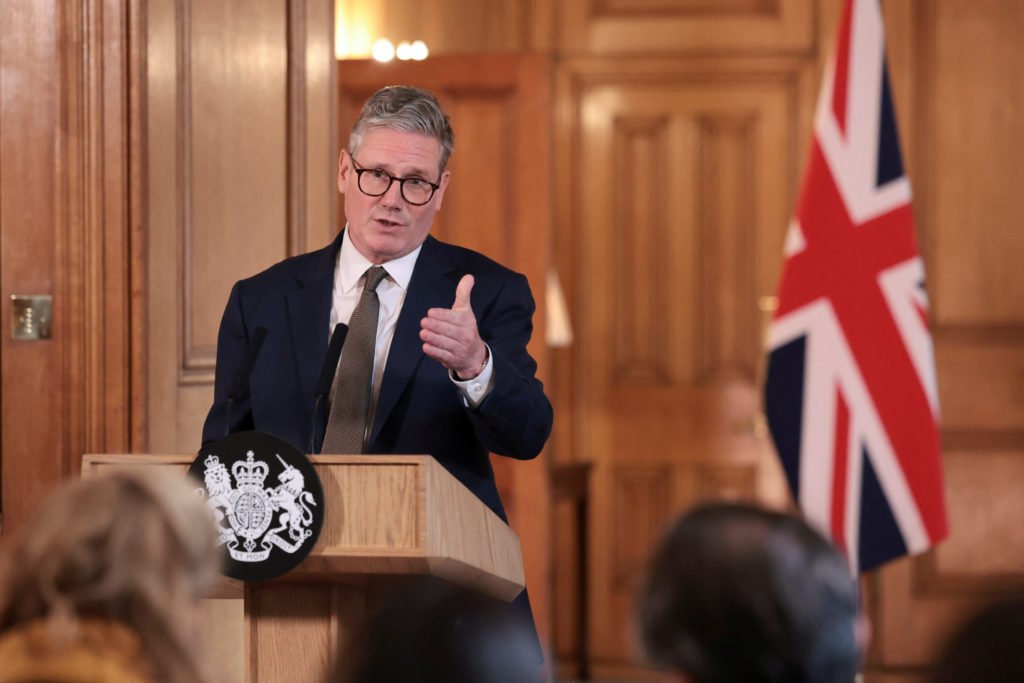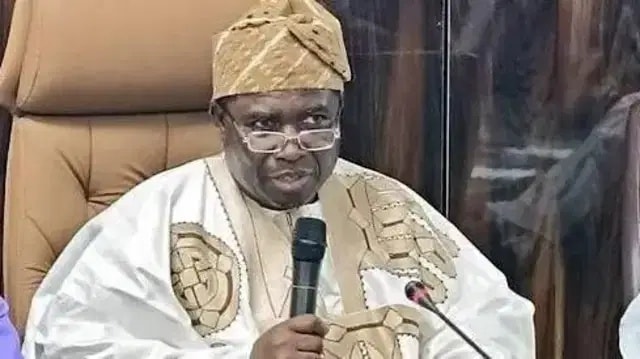
Prof. Joash O. Amupitan, SAN, Chairman of Nigeria’s Independent National Electoral Commission, rallies transport unions to ensure strict compliance with agreed logistics arrangements, describing transport logistics as the backbone of electoral operations
In five days to the 2026 FCT Area Council elections, the Independent National Electoral Commission (INEC) has issued a firm warning to transport unions to ensure strict compliance with agreed logistics arrangements.
INEC declared that it will not tolerate excuses that could undermine the upcoming FCT council polls.
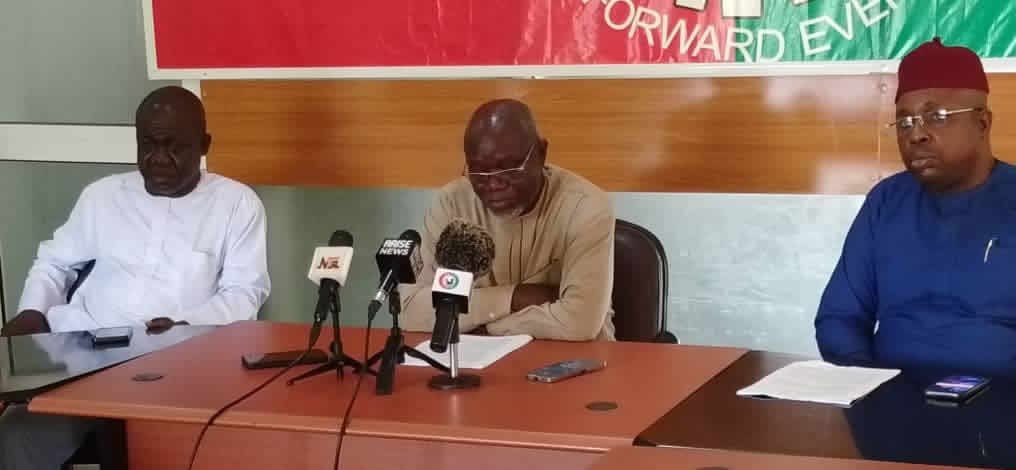
Prof. Joash O. Amupitan, SAN, Chairman of INEC, delivered the charge Monday, February 17, 2026, in Abuja, FCT, during a meeting with leaders of the National Union of Road Transport Workers (NURTW) and the Nigerian Association of Road Transport Owners (NARTO) ahead of the election scheduled for February 21.
The Commission, in a daily bulletin issued Monday, described transport logistics as the backbone of electoral operations.
Amupitan also emphasised the success of the election would depend largely on the timely and efficient movement of materials and personnel across the six Area Councils of the Federal Capital Territory (FCT).
He further explained: “An election can only be as good as its logistics.”
The INEC Chief affirmed the Commission expects sound and serviceable vehicles in line with earlier agreed specifications under the Memorandum of Understanding (MoU) with the unions.
The Commission as well disclosed that it would engage about 1,132 vehicles to support the movement of election materials for the election.
According to the electoral umpire, this arrangement would involve 2,822 polling units spread across 10 wards in five Area Councils and 12 wards in the Abuja Municipal Area Council. About 570 candidates are contesting the chairmanship and vice-chairmanship positions besides councillorship seats.
Prof. Amupitan expressed concern over past experiences in the deployment of vehicles during elections, citing instances where unserviceable vehicles were presented and agreed arrangements were not fully honoured.
According to him, he noted the Commission, in an instance, had to activate alternative arrangements to avert operational setbacks.
He made it clear that INEC would not accept excuses, whether deliberate or inadvertent, that could jeopardise the timely delivery of sensitive and non-sensitive materials to Registration Area Centres (RACs) and polling units.
Amupitan said: “Our target is for voting to commence at 8.30a.m.
“For that to happen, materials must arrive at polling units by 7.00 or 7.30a.m., which means vehicles must depart RACs as early as 6.00a.m.”
The Chairman also directed Electoral Officers in the FCT to closely supervise the implementation of logistics agreements at the Area Council level, noting that they would serve as the Commission’s eyes in ensuring compliance.
Emphasising the national and international attention on the election, Prof. Amupitan described the FCT as “the heart of Nigeria”.
All stakeholders, he averred, must demonstrate patriotism and commitment to safeguarding electoral materials.
The Chairman urged the unions to deploy their internal disciplinary mechanisms to ensure that members adhere strictly to the Commission’s guidelines, particularly in preventing incidents such as diversion or hijacking of materials.
In her remarks, Barr. Mercy Ibeh, Director of Legal Services of NURTW, acknowledged that the issues raised by the Commission were familiar and regularly form part of engagements between the unions and electoral authorities.
Barr. Ibeh acknowledged that the level of success recorded in elections often depends on the depth of dialogue and collaboration between stakeholders. According to her, the union had, over several months, engaged extensively with the FCT office of the Commission to identify challenges and propose workable solutions.
While referring to previous operational difficulties experienced during the Anambra election, she stated that the union had formally communicated its concerns to INEC at the time, adding that some of the challenges encountered were beyond the union’s control.
Barr. Ibeh expressed optimism that with the issues discussed and solutions profiled during the current engagement, many of the earlier challenges would be addressed going forward.
She also appealed for support towards strengthening the transport capacity of the union.
The legal professional noted that improved access to serviceable vehicles would enhance performance during elections.
Also speaking, FCT Chairman of NURTW, Abdullahi Dauda, assured the Commission of the union’s commitment to delivering on its obligations.
He stated that while challenges are inevitable in any large-scale operation, the key lies in leadership and problem-solving. According to him, the union had held discussions with the Resident Electoral Commissioner on identified gaps and had agreed on measures to resolve them.
“If they give us what we want, they will see what we are going to give them,” he said.
Dauda assured that the union would ensure that all approved vehicles are deployed as agreed.
He further pledged that designated officers would monitor and verify vehicle deployment across wards and ensure that drivers report promptly for election duty.
Although he declined to guarantee perfection, he expressed confidence that the arrangements put in place would make the forthcoming FCT election markedly different in terms of logistics performance.