Nigeria will continue to rely on borrowing to bridge its widening fiscal deficit, but lawmakers, economic managers and financial experts have warned that the era of unchecked borrowing and poor budget execution must come to an end.
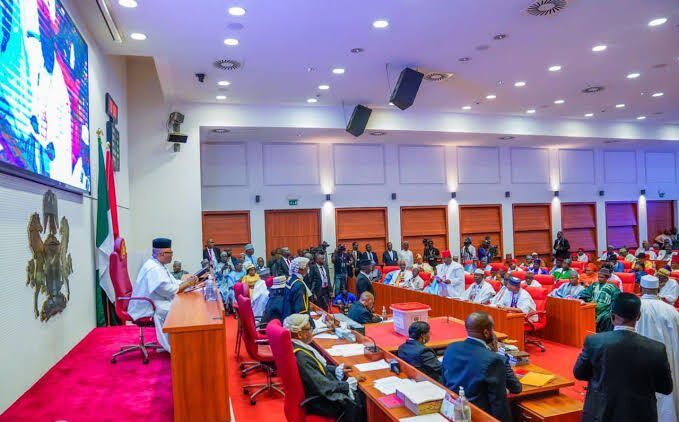
The warning was issued during a public hearing on the 2026 Appropriation Bill held at the National Assembly, where stakeholders scrutinised government revenue projections, expenditure plans and the rising public debt profile.
Chairman of the Senate Committee on Appropriations, Senator Solomon Adeola, acknowledged that borrowing remains unavoidable given Nigeria’s huge infrastructure deficit, weak revenue base and exposure to volatile global economic conditions. However, he stressed that the real concern is not borrowing in itself, but the manner in which borrowed funds are sourced, managed and deployed.
According to Adeola, deficits can only be justified when loans are tied to productive investments that stimulate economic growth, expand the revenue base and improve the welfare of citizens. He cautioned that borrowing to finance recurrent expenditure or poorly executed projects only worsens fiscal pressure and deepens the debt burden on future generations.
“We must move away from borrowing without discipline,” the senator said. “The focus should be on value for money, strict implementation of the budget and ensuring that borrowed funds are invested in projects that yield measurable economic returns.”
Economic managers at the hearing echoed similar concerns, noting that while borrowing has helped keep the economy afloat during periods of revenue shortfall, weak budget implementation and leakages have limited the impact of public spending. They urged the government to intensify efforts at revenue mobilisation, cut wasteful expenditure and strengthen monitoring of capital projects.
Experts also warned that Nigeria’s debt sustainability could be threatened if borrowing continues without corresponding growth in revenues. They called for stronger fiscal reforms, improved tax administration and greater transparency in the management of public funds.
The 2026 budget proposal, according to lawmakers, presents an opportunity for the government to reset its fiscal strategy by prioritising realistic revenue projections, disciplined spending and accountability in the use of borrowed funds.
As deliberations continue, the National Assembly insisted that while borrowing may remain part of Nigeria’s fiscal toolkit, it must be guided by prudence, efficiency and a clear focus on long-term economic stability.