When news broke that MTV’s linear music channels were finally shutting down, the global reaction was emotional, nostalgic, and predictable. For Africa—and Nigeria in particular—the reaction should be different. It should be uncomfortable.
Because MTV’s shutdown is not primarily a story about music television dying. It is a story about institutions failing to evolve at the same speed as the cultures they helped create.
MTV did not lose relevance overnight. It slowly surrendered it.
MTV’s Real Legacy in Africa
For African creatives, MTV Base was never just a channel. It was validation. In the mid-2000s, getting on MTV Base meant your music had crossed borders. It meant global visibility in a media ecosystem that had very few international gateways for African youth culture.
But that power came from a gatekeeping era—an era where scarcity made broadcasters king. Distribution was expensive, access was limited, and audiences waited patiently.
That world no longer exists.
What Actually Went Wrong (Beyond “Algorithms”)
It is convenient to blame YouTube, TikTok, and algorithms. But that is only half the story.
MTV’s deeper problem was structural:
- It remained format-led in a culture that became community-led.
- It prioritised programming schedules long after audiences had moved to on-demand behavior.
- It treated Africa as a market long after African creators had become global competitors.
While Afrobeats artists were building direct relationships with fans on digital platforms, MTV was still behaving like a curator rather than a collaborator.
In simple terms: the culture outgrew the container.
Why This Matters to Nigeria’s Broadcast Industry
Here is the uncomfortable truth Nigerian broadcasters must confront:
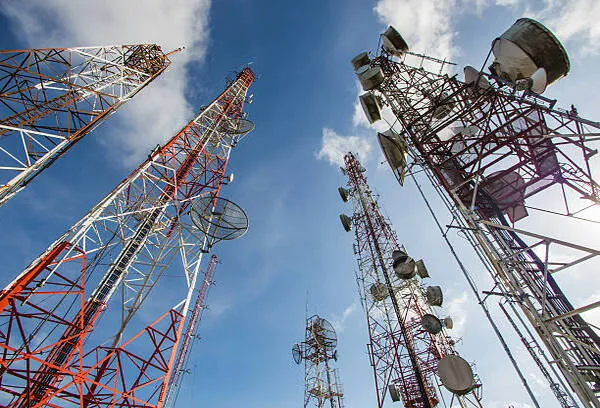
Most local stations today are operating exactly the way MTV did in its final years— relying on legacy structures, recycled formats, and the false comfort of licenses and transmitters.
The Nigerian audience has already moved on.
- Data is expensive → viewers are intentional.
- Power is unstable → patience is limited.
- Youth culture is global → comparisons are brutal.
A Nigerian Gen-Z audience does not “watch TV.” They extract value—clips, moments, commentary, memes—and move on.
Any broadcaster still selling “program slots” instead of cultural relevance is already in decline.
The Myth of ‘Local Content’ as a Safety Net
For years, Nigerian broadcasters believed local content would protect them. It no longer does.
Netflix, YouTube, TikTok, Amazon, and Spotify now fund, distribute, and globalise Nigerian stories at a scale traditional broadcasters cannot match.
The competition is no longer NTA vs Channels vs Silverbird. It is Nigeria vs the global attention economy.
Licenses do not protect relevance. Transmitters do not guarantee influence.
The Lesson MTV Leaves Behind
MTV’s shutdown is not a failure of creativity. It is a failure of institutional courage.
The courage to:
- Abandon rigid formats.
- Share power with creators.
- Invest in platforms, not channels.
- Measure success by engagement and loyalty, not airtime filled.
MTV could have become the world’s most powerful youth culture platform. Instead, it tried to remain a television channel in a post-television world.
What Nigerian Media Risks Becoming
If Nigerian broadcasters do not learn from this moment, they risk becoming:
- Archives of yesterday’s culture.
- Training grounds for talent that will leave.
- Background noise in a world driven by participation.
- The future Nigerian media house will not look like a station. It will look like a network of communities, creators, formats, and platforms, with television as just one output—not the centre.
Final Thought
MTV did not die because people stopped loving music. It faded because it stopped owning the relationship with its audience.
For Nigeria’s broadcast and entertainment industry, the warning is clear:
Do not wait to be disrupted. Do not confuse nostalgia with relevance. And do not assume the audience will wait for you.
MTV’s signal went dark. The lesson should not.