By Ugo Onuoha
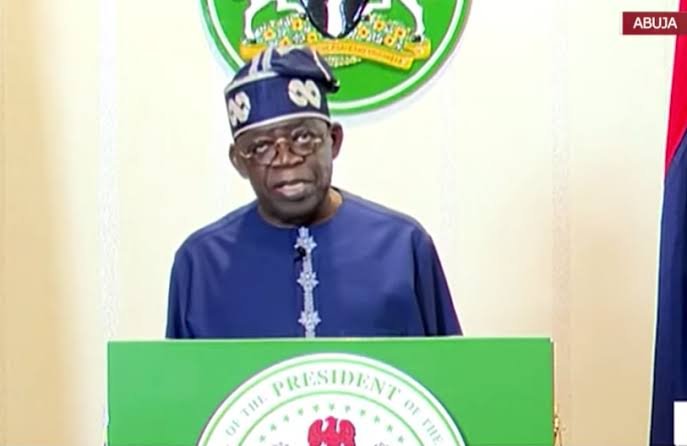
LAST week, here, we said that we probably have been down the path that the regime of Nigeria’s president, Alhaji Bola Ahmed Tinubu, has been taking us to in the last 27 months through his economic reform agenda. We wrote that the current economic reform bore a striking resemblance to military president, Gen. Ibrahim Badamasi Babangida’s [IBB’s] structural adjustment programme [SAP] of the mid-1980s.
Subsequently we dubbed Tinubu’s programme SAP 2.0. The major planks of the Babangida economic recovery agenda which he introduced in 1986 were economic diversification to reduce Nigeria’s over dependence on crude oil revenues; the development of the non-oil sectors like agriculture, manufacturing, and services; to restore fiscal discipline by implementing austerity measures, curbing government expenditures, and controlling inflation; devaluation of the Naira to make exports more competitive, encourage foreign investments, and reduce trade imbalances; liberalise the market by reducing government intervention and control in designated sectors to promote a more market-driven economic system; to privatise state-owned enterprises so that the private sector would be encouraged to drive economic development which was expected to promote efficiency and productivity; to stimulate economic growth by improving resource allocation and utilisation; improve the standard of living of Nigerians through poverty reduction; to improve government revenue by expanding and widening the tax base; and, to enhance resource allocation and utilisation for sustainable economic development. Does the above economic policy direction sound familiar to the adults in the house? Is this déjà vu? A quick reminder: it will be 40 years, next year, since Babangida introduced and implemented his own economic reform agenda. What were the benefits? How did it end? How much pain did it inflict on Nigerians? If it worked, why are we still where we are today? The answers to the questions are obvious. And we will explore some of them in the wake of the current gamble.
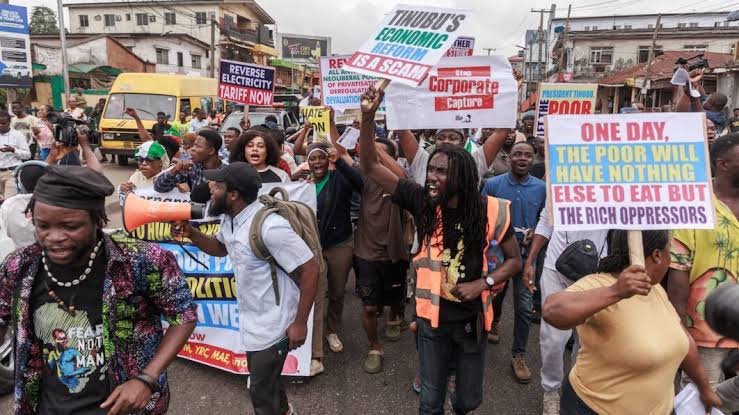
As we said earlier, Tinubu’s economic reform agenda is SAP 2.0. SAP 1.0 failed, and the reasons why Babangida failed may yet afflict Tinubu’s SAP, though he cleverly dodged calling it by its proper name for fear of a backlash and a pushback by Nigerians. So why did Babangida, a military ruler who sat atop his command and control military/government structure for about nine years, fail with his own SAP after putting Nigerians through so much pain 39 years ago? Could it be because his SAP had no buy-in from citizens? Yes, that’s partly the reason. It also suffered from poor implementation. There was no doubt that it was externally imposed shortly after a charade called a national debate on whether to adopt the programme or not was conducted. It was neither well planned nor intentionally and faithfully executed.
Unintended consequences which should have been foreseen and provisions made to alleviate them took a huge toll on the programme. It should be concerning that the ongoing economic programme is grappling with the same problems of unintended consequences, lack of buy-in, and poor implementation. SAP objectives also failed to materialise because of the country’s poor and weak infrastructure. In 1986 Nigeria’s infrastructure was not developed enough to support the goals of the programme. Is there evidence today that the country’s public facilities are strong and robust enough to support the ongoing drastic and indeed reckless surgical procedures on the fragile and largely informal economy of the country? Can what is happening be likened to using a chainsaw for brain surgery? Corruption hobbled Babangida’s SAP, and hindered its effectiveness. Has this monster been tamed? Is it capable of dealing a death blow on Nigeria?