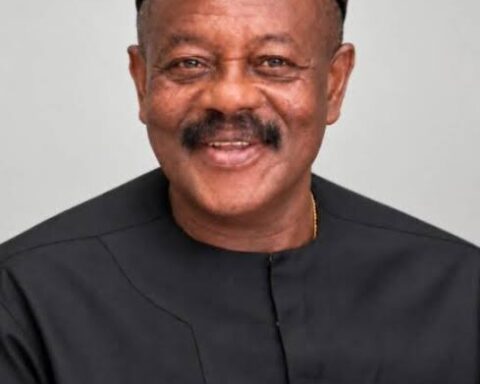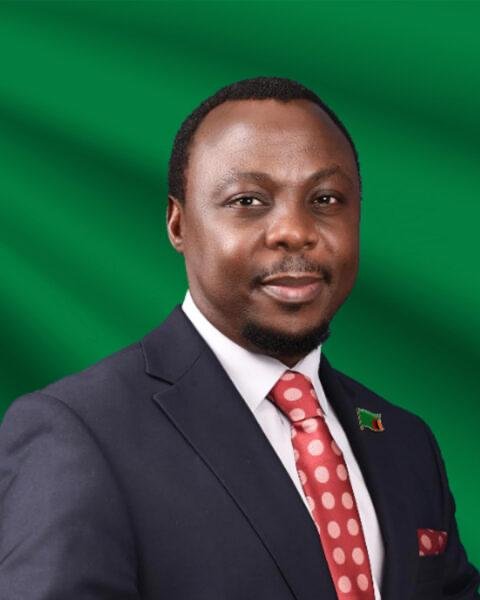
Member states of the African Telecommunications Union (ATU) have elected Kezias Mwale of Zambia as the organisation’s Secretary-General for the 2027-2030 term.
Mwale was elected at the just concluded ATU meeting held in Abuja on Friday night.
He pledged to bring unity, serve all member states with impartiality, integrity, transparency and dedication, and inclusive digital growth in Africa.
The election had five contestants, 34 countries voted and Mwale polled 21 votes, making him the overall winner in the election.
In his acceptance speech, the new secretary-general expressed gratitude to ATU member states for the confidence reposed in him.
He described the election as a mandate to serve the entire African continent rather than any single nation.
“I stand before you today with profound humility and deep gratitude, honoured by the confidence and trust that the member states of the ATU have bestowed upon me.
“This victory is not mine alone, nor does it belong to any one nation.
“It belongs to every member state represented here today and to every African who believes in the transformative power of digital technologies,” he said.
According to him, Africa stands at a defining moment in its digital transformation journey, with unprecedented opportunities to harness technology for economic growth and social development.
“Our continent has the talent, the innovation, creativity and determination to shape its own digital future.
“Our responsibility is to ensure that no country, no community and no citizen, especially children, women and persons with disabilities, are left behind,” he said.
Mwale said his administration would work with governments, regulators, policymakers, the private sector, academia, civil society and development partners to build a stronger and more responsive ATU.
He outlined key priorities to include expanding affordable and universal connectivity, promoting digital inclusion, strengthening cybersecurity and digital resilience, fostering innovation, developing digital skills and enhancing Africa’s voice in regional and global digital policy.
He assured member states that he would serve all countries equally, irrespective of how they voted during the election.
“My door will always remain open because this is a public office. I will seek to build consensus through dialogue, mutual respect and a shared commitment to the common good,” he said.
Mwale also acknowledged the contributions of his predecessors, pledging to build on their achievements while pursuing reforms to strengthen the union and meet the evolving needs of the continent.
He urged African countries to remain united despite their diversity, saying the continent’s shared goal is to leverage telecommunications, digital, and emerging technologies, to improve the lives of its people.
He called on member states to work together to build a stronger, more inclusive and innovative ATU capable of delivering meaningful digital transformation across Africa.
“The journey ahead belongs to all of us. Let us work together with courage, unity and an abiding belief in Africa’s limitless potential,” he said.
He commended the other contestants, saying they had enriched the election with their ideas and experience, and pledged to work closely with them in advancing the Union’s objectives.
Earlier, Mr John Omo, the outgoing Secretary-General, who spoke on behalf of African ministers responsible for information and communications technology, said that they had adopted a declaration on meaningful connectivity for Africa.
Omo said it was an annex to the conference report earlier approved by the ministers following deliberations by technical experts during the week-long meeting.
He said that the declaration reflected consensus reached on key issues affecting Africa’s digital transformation agenda.
He said that the declaration addresses digital inclusion demand stimulation, infrastructure development and resilience, broadband access, and adoption of a holistic technology approach to connectivity.
According to him, others are regulatory parity and harmonisation, capacity building, digital sovereignty, consumer rights and protection, as well as fiscal policies and financing.
Omo said that the declaration urged governments, telecommunications operators and development partners, irrespective of technology platforms, to engage transparently and encourage investments that would expand digital infrastructure and connectivity.