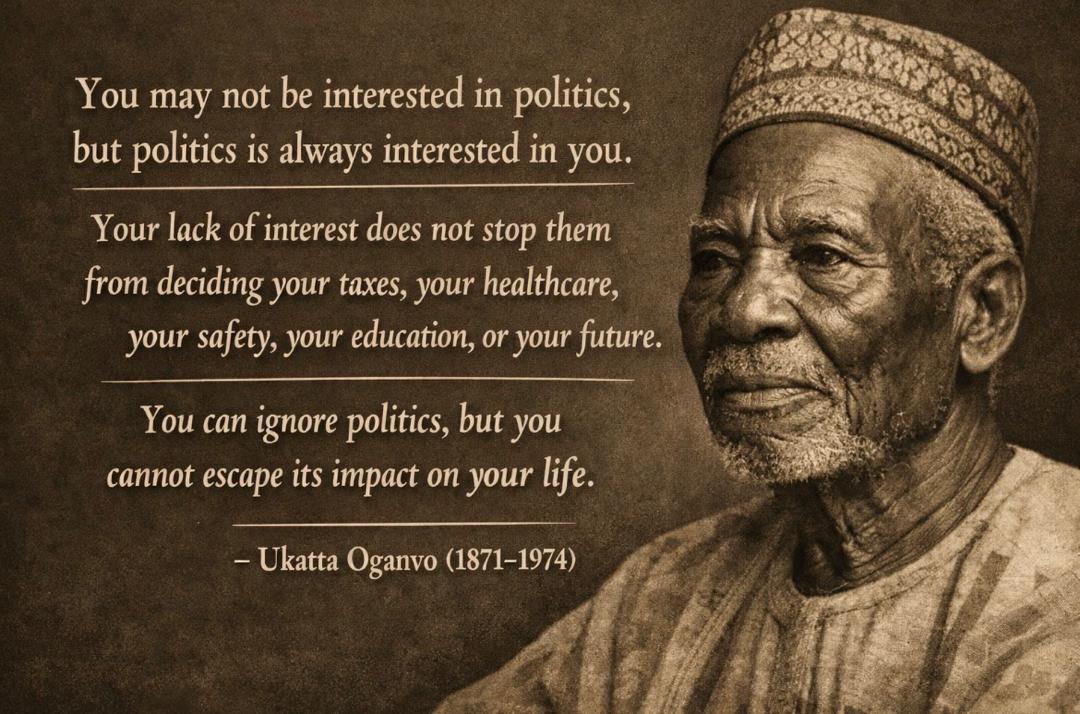
There is a seductive myth in modern society, the idea that one can opt out of politics and still live a life untouched by its consequences. It sounds comforting, even dignified: “I am not interested in politics.” But that posture, while understandable, is ultimately an illusion. Because whether you look at politics or not, politics constantly looks squarely at you.
As a public activist, I will say this plainly; it is perfectly acceptable not to enjoy politics. It is not acceptable to misunderstand its reach.
Politics is not merely about elections, party rivalries, or ideological debates conducted in parliaments and television studios or social media spaces. At its core, politics is the architecture of power, who gets what, when, and how. It is the invisible hand shaping the price you pay in taxes, the quality of the hospital you attend, the safety of your neighbourhood, the curriculum your children study, and the dignity of your retirement.
You may not attend rallies or follow debates. You may even choose to ignore manifestos, but none of these systems require your emotional investment to function. Your tax obligations will not pause because you are apolitical. Your access to healthcare will not improve because you abstained from voting. Your security will not strengthen because you chose silence.
Politics is not a spectator sport you can walk away from. It is a system that governs participation by default.
The danger, therefore, is not in disinterest, it is in disengagement without awareness. When citizens withdraw without understanding, they create a vacuum. And as history consistently demonstrates, vacuums do not remain empty; they are filled, often by those with narrower interests, fewer scruples, or greater appetite for control.
To say “I am not interested in politics” should, at best, mean “I do not enjoy the theatrics of politics.” It must never mean “I absolve myself of understanding how power operates over my life.”
Because here lies the hard truth; your indifference does not weaken the system; it weakens your position within it.
Every policy passed, on taxation, healthcare funding, policing, education budgets, pensions, is a political decision. These decisions are made by individuals and institutions that respond to pressure, incentives, and accountability. When you remove yourself from that equation, you do not become neutral; you become unrepresented.
And unrepresented people are rarely prioritised.
This is not a call for everyone to become a partisan advocate or a political commentator. It is a call for civic consciousness. You do not need to love politics, but you must understand its mechanics well enough to protect your interests and those of your community.
A society where citizens proudly disengage is a society that quietly surrenders control. It hands over the levers of power to a smaller, often more motivated group whose priorities may not align with the broader public good.
So yes, it is entirely human to feel fatigued by politics. The noise, the conflict, the apparent lack of integrity, it can be exhausting. But fatigue is not an excuse for ignorance. If anything, it is a signal that the system requires more informed participation, not less.
Because at the end of the day, politics is not asking for your permission. It is already at work, in your payslip, hospital waiting time, child’s classroom, in the safety of your streets, and the security of your future.
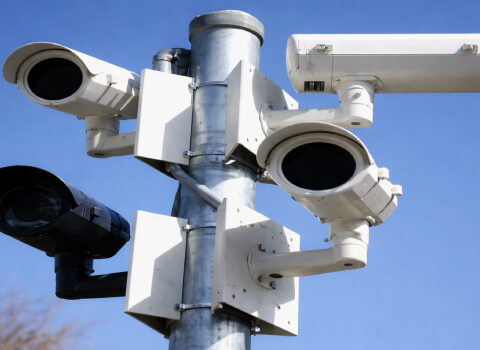
You may choose not to be interested in politics. But you do not get to choose whether politics is interested in you.