By Ijeoma Agbafo
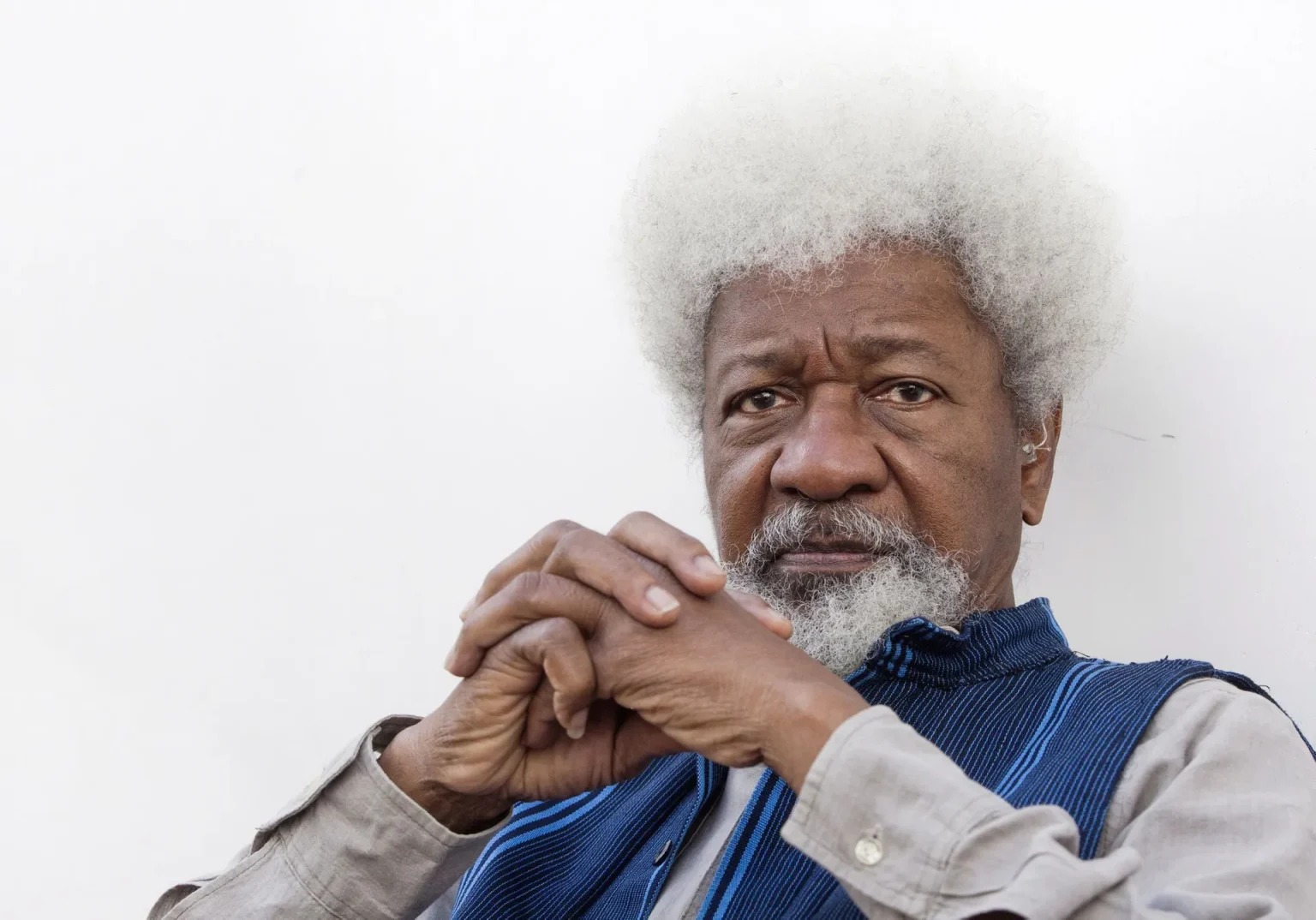
Nigeria’s Nobel laureate, Prof. Wole Soyinka, turns 92 today, drawing tributes from President Bola Tinubu, literary figures, public officials and admirers across the world in celebration of a life dedicated to literature, democracy and social justice.
Born on July 13, 1934, in Abeokuta, Ogun State, Soyinka made history in 1986 as the first African to win the Nobel Prize in Literature. Widely regarded as one of Africa’s greatest writers, he has inspired generations through his works, which explore themes of culture, justice, identity, power and the human condition.
Over a career spanning more than six decades, Soyinka has built an impressive literary legacy. His body of work includes three novels, seven poetry collections, about 25 plays and five memoirs. Some of his most celebrated works include Death and the King’s Horseman, The Lion and the Jewel, Ake: The Years of Childhood and The Man Died, all of which have earned international acclaim.
In his birthday tribute, President Tinubu described Soyinka as a “living repository of knowledge”, a “global icon” and an “irrepressible advocate of good governance”. He praised the Nobel laureate’s unwavering commitment to democracy, recalling his imprisonment during the Nigerian Civil War for opposing injustice and authoritarian rule.
Beyond his literary achievements, Soyinka has remained a fearless voice for human rights and good governance. Even at 92, he continues to shape public discourse, recently renewing his call for reparatory justice for Africa by advocating cultural restoration, historical redress and the preservation of African dignity. He also recently drew commendation for reportedly contributing significantly towards the medical treatment of a fellow writer.
As Nigeria celebrates one of its most distinguished sons, Soyinka’s legacy extends far beyond the pages of his books. His courage, intellect, and unwavering commitment to truth have made him a global symbol of excellence, ensuring that his influence on literature, democracy, and African thought will continue to inspire generations to come.