Nigeria was once again thrown into darkness after the national power grid collapsed, a situation that has become too familiar for a country that relies heavily on a single unstable electricity system.
When the grid fails, homes go dark, hospitals switch to generators, businesses shut down, and millions of Nigerians are reminded of how fragile the nation’s power supply remains.
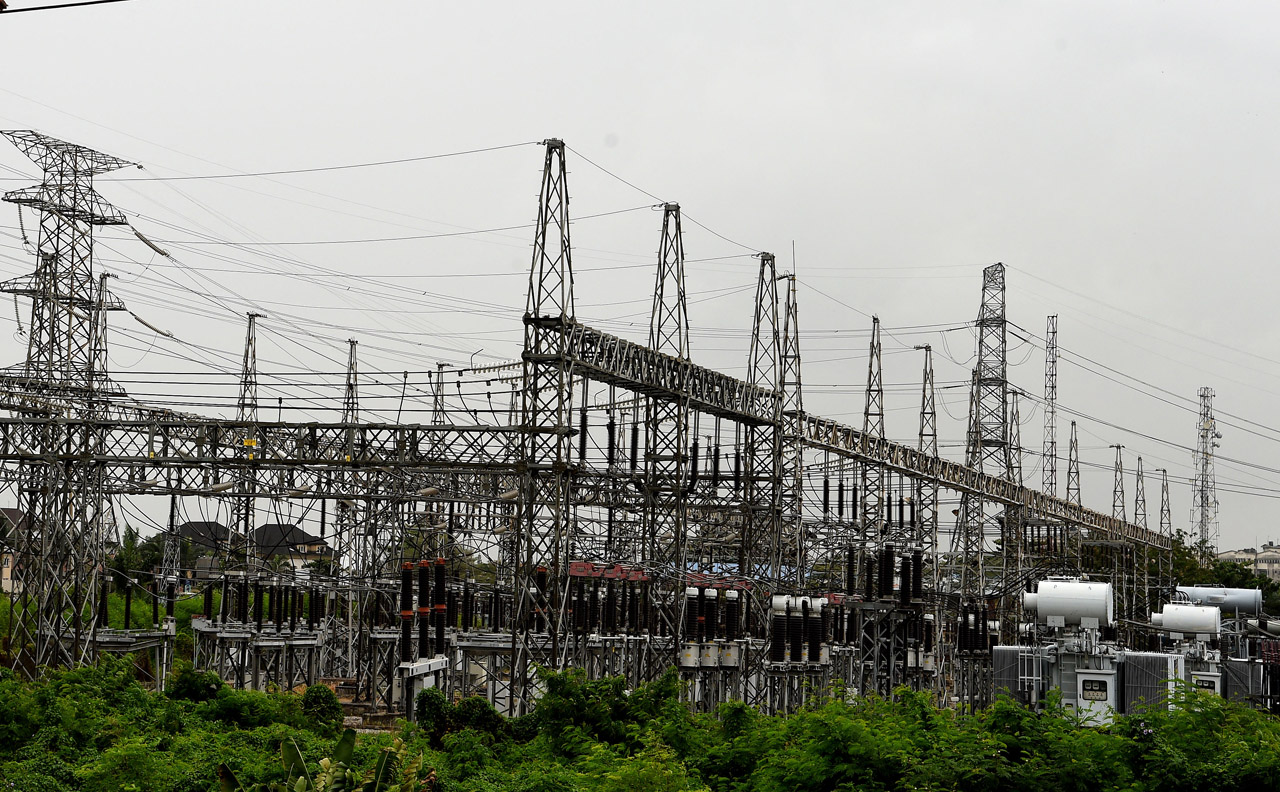
The national grid is Nigeria’s main source of electricity, managed by the Transmission Company of Nigeria. According to officials, the grid collapses mostly due to weak infrastructure, poor maintenance, vandalism of power facilities, gas supply shortages, and an ageing transmission network that cannot handle demand.
The Minister of Power, Adebayo Adelabu, has admitted on several occasions that much of Nigeria’s power infrastructure is outdated and overstretched, making it vulnerable to frequent system failures. Another major issue is gas supply. Power generation companies depend largely on gas, but pipelines are often vandalised or disrupted.
The Nigerian National Petroleum Company Limited has repeatedly confirmed that gas shortages and pipeline damage affect power generation. When power plants cannot get gas, electricity generation drops sharply, putting pressure on the grid and leading to collapse.
Grid instability is also linked to poor coordination between generation, transmission, and distribution companies. Former Managing Director of the Transmission Company of Nigeria, Sule Abdulaziz, once explained that sudden load rejection by distribution companies can destabilise the grid.
When electricity is generated but not properly distributed, the system becomes overloaded and fails. Despite repeated promises, upgrades to the grid have been slow. Nigeria still operates largely on a centralised power system, meaning that when the grid collapses, the entire country suffers at once.
This is why Nigerians experience nationwide blackouts instead of isolated outages. The impact on citizens is severe. Small businesses lose income, students cannot study, healthcare delivery is disrupted, and households spend heavily on fuel for generators.
The frequent collapse of the grid deepens poverty and discourages investment, as reliable electricity is essential for economic growth. The way forward is clear but requires strong political will. First, Nigeria must invest seriously in upgrading transmission infrastructure.
The grid needs modern equipment that can handle current demand. Second, decentralisation of power supply must be accelerated. States and regions should generate and distribute their own electricity to reduce dependence on the national grid.
The Electricity Act signed into law allows states to play a bigger role, but implementation must move faster. Third, gas infrastructure must be protected. Vandalism should be treated as economic sabotage, and alternative energy sources such as solar, hydro, and wind should be expanded to reduce reliance on gas. Finally, transparency and accountability are needed.
Power sector agencies must clearly explain failures and publish timelines for repairs, not just apologies after each collapse. Nigeria cannot continue to accept darkness as normal. A country of over 200 million people cannot grow on an unstable power system that collapses repeatedly.
Until the national grid is strengthened and alternatives are fully developed, Nigerians will keep paying the price for a failure that has gone on for far too long.
The question now is not whether the grid will collapse again, but whether leaders are ready to finally fix it, or leave Nigerians trapped in an endless cycle of light and darkness.