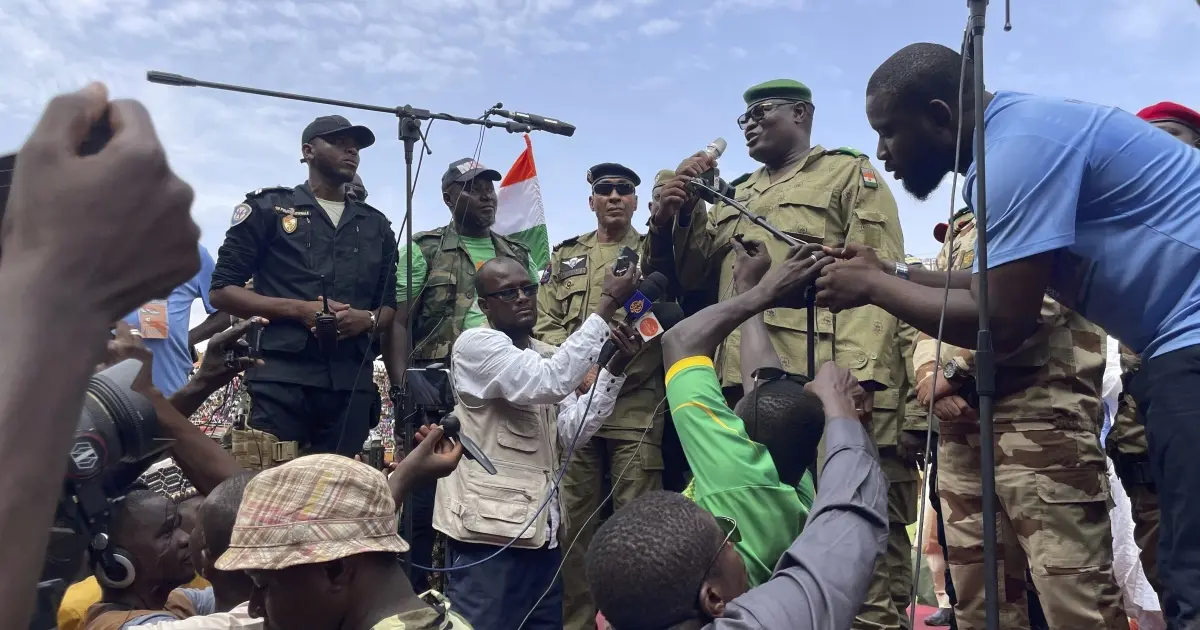
The latest arrests of more than 40 military officers over their alleged plan to overthrow the Federal Government have raised a degree of public concern about the stability of democracy in Nigeria. What started as an investigation into 16 officers has widened as others were linked to the suspected plan through interrogations and tracing of communication.
It reminds one of the ‘past’ when Nigeria moved from one military rule to another, through those years of fear and restricted freedoms, and leadership that was not chosen by the people. That such an accusation can still be made today shows just how far that idea of military intervention has not been laid to rest, two decades after civilian democracy was restored in 1999.
The military is an indispensable institution, but its role under the constitution is quite clear: to protect the nation, not to rule over it. Once soldiers become politically ambitious, the line between service to the nation and personal interest becomes blurred. It was said that some of the detained officers were displeased with career stagnation and repeated failures in the promotion examinations. Personal dissatisfaction cannot justify an attempt to undermine democratic rule.
A shift back to military leadership wouldn’t solve the economic or social problems of Nigeria. History has demonstrated that such takeovers usually lead to increased instability. Policies are in for sudden shifts, institutions weaken, and whatever voice citizens have regarding how they are governed is silenced. Democracy, all flaws and slowness considered, affords space for dialogue, reform processes, and accountability.
The other challenge emanates from the alleged tracing of funds to some political figures. When personal networks, secret financial flows, and political ambitions combine with armed forces, then the nation’s stability becomes threatened. Investigations should continue transparently; anyone found guilty should be brought to account through the courts.
The democratic culture has grown in Nigeria: elections, activism, public debates, civic participation, among others, have been on the increase, and people understand their rights better. Permitting any form of undemocratic takeover of government would be a backward move and a dismissal of that progress.
Nigeria has to stay democratic not because democracy is flawless, but because through democracy, the people get a chance to correct their leaders and demand better governance in their voice toward the future of their country. Any design on returning the country to military hands threatens that right and should be summarily rejected.
Follow us on all social media platforms @dailyquery for news and analyses around the globe.