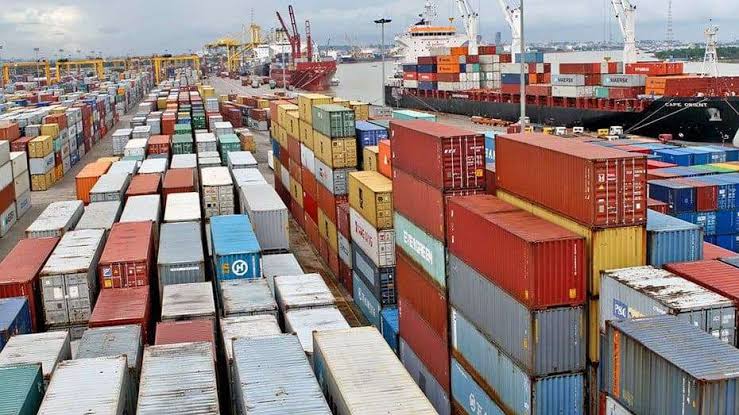
Nigerian exporters face fresh economic headwinds after the United States government enacted a 12.5 per cent import duty on non-exempt goods from Nigeria, citing the West African nation’s failure to enforce stringent bans on forced-labor imports.
The new duty, authorized under Section 301 of the Trade Act of 1974, went into effect globally at 12:01 a.m. Eastern Time on Friday, July 24, 2026, following a formal determination by U.S. Trade Representative (USTR) Jamieson Greer.
Nigeria is among dozens of trading partners subject to the higher 12.5 per cent penalty tier, alongside nations such as China, Brazil, and Vietnam.
U.S. trade officials designated a reduced 10 per cent tariff rate for 18 economies including Canada, Mexico, the United Kingdom, and India that have either enacted domestic prohibitions on forced-labor imports or signed reciprocal enforcement agreements with Washington.
To cushion core industries from systemic shocks, the U.S. policy explicitly excludes vital trade categories such as crude oil, natural gas, raw agricultural materials facing domestic shortages, and pharmaceutical products.
Trade analysts in Lagos and Abuja warn that while key extractive exports like crude oil remain shielded, non-oil sectors including agricultural commodities, processed foods, and textiles will face reduced price competitiveness in the American market.
”The United States views forced labor not only as a human rights violation, but as a practice that grants non-compliant trading partners an unfair commercial advantage. Trading partners must take concrete legal steps to eliminate forced labor from their international supply lines.” Office of the United States Trade Representative remarked.
Nigerian commercial associations are currently reviewing the directive to identify trade mitigation strategies, as policymakers in West Africa assess whether legislative updates regarding supply chain transparency could qualify Nigeria for a reduced tariff tier in future reviews.