By Nnaemeka Maduegbuna
The video infographics—“The South East is not land‑locked but land‑linked”, which has gone viral—served as the immediate catalyst for this piece.
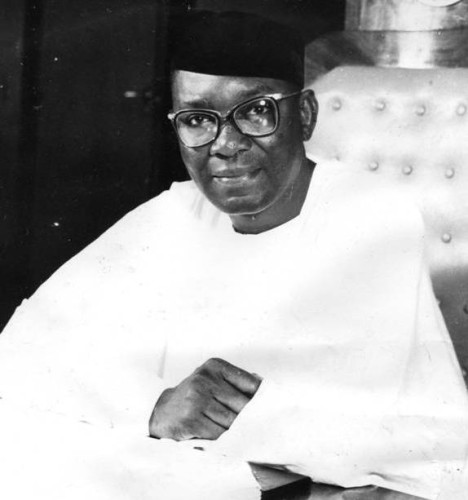
When Nnamdi Azikiwe returned to Nigeria in 1934, the former Eastern Nigeria lagged behind the then‑Western Nigeria in terms of human‑capital development. Christopher Sapara Williams, the Yoruba lawyer, had been called to the Bar in 1879. Louis Nwachukwu Mbanefo, the first Igbo lawyer, was called to the Bar in 1936.
In medicine, the Yorubas produced their first medical doctor in 1876 – Nathaniel King. Simon Onwu, the first Igbo medical doctor, qualified in 1932.
In engineering, a Yoruba man, George Agbebi (for whom the Faculty of Engineering at Nsukka is named), qualified in 1933, while Isaac Iweka, the first Igbo engineer, qualified in 1939.
Nnamdi Azikiwe galvanized the Igbo community and launched a massive education programme. Within three decades (by the early 1960s), the Igbo had qualitatively caught up with the Yoruba in modern human resources.
The Eastern Nigerian economy, growing at a 9 % rate, was considered one of the fastest‑growing in the world and was on track to overtake the Western Region by the end of the decade. Eastern Nigeria also had the best road network in Black Africa—a factor that significantly contributed to the ability of the motorized federal forces to defeat Biafra.
The point I am making is that it takes big ideas, vision, and leadership to build a nation. Zik and his peers did that in the former Eastern Nigeria. It can be repeated in present‑day South‑East Nigeria, but we must agree on what we desire and put in place the modalities to achieve it.