The University of Ilorin yesterday held a commissioning ceremony for newly deployed Compressed Natural Gas (CNG) buses and electric tricycles aimed at easing the growing transport problems on campus. This major step brings into sharp focus the urgent need for reliable, affordable and cleaner mobility for students and staff at the institution.
The event was attended by the Vice Chancellor, Professor Wahab Olasupo Egbewole SAN, key university officials including the Registrar Mr Mansur Adeleke Alfanla, representatives of the Presidential CNG Initiative and Yasin Express Logistics, student leaders and staff union members. Also present were federal representatives involved in the wider Renewed Hope Campus Transport Scheme under which electric tricycles were deployed to federal universities nationwide.
In his address, the Vice Chancellor highlighted the difficulties faced by students and staff since the relocation of the main motor park. He said traffic congestion and rising transport costs have made daily commuting a heavy burden, especially for those who depend on commercial vehicles. The new CNG buses he said will offer a cheaper and more comfortable option compared to existing services, while cutting down on fuel spend for campus commuters.
The CNG buses were secured under a Memorandum of Understanding signed with the Presidential CNG Initiative and partners in October 2025. The agreement commits to deploying a fleet of CNG-powered buses and to build infrastructure to support cleaner fuel use on campus, including conversion centres for vehicles. The university says more buses are expected in the coming weeks as part of the first batch of federal deployments.
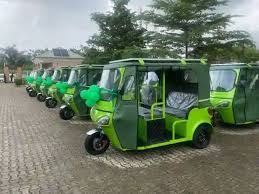
Alongside the buses, a set of electric tricycles was unveiled. These vehicles were supplied as part of the Federal Government’s Renewed Hope Campus Transport Scheme which this year rolled out 240 electric tricycles to 12 federal universities, each campus receiving a number of units to support student mobility at low cost. The scheme also includes support for solar charging infrastructure and student union management of the services.
Students at the ceremony expressed optimism that the tricycles will reduce waiting times and transport fares within the campus. Others said they welcomed the cleaner energy approach, noting that adopting electric vehicles and CNG fuel aligns with broader calls for sustainable urban transport in Nigeria.
Critics and some staff have called for sustained maintenance plans and clear fare regulation to ensure that the new transport options do not become unreliable over time. They also urged the university to work with private operators so that existing services are integrated rather than displaced.
The commissioning of the CNG buses and electric tricycles at Unilorin marks a hopeful turn in tackling long standing transport issues. If properly managed, these interventions could set a precedent for other campuses grappling with similar challenges, showing that public institutions and partners can collaborate for practical solutions that are both affordable and environmentally responsible.