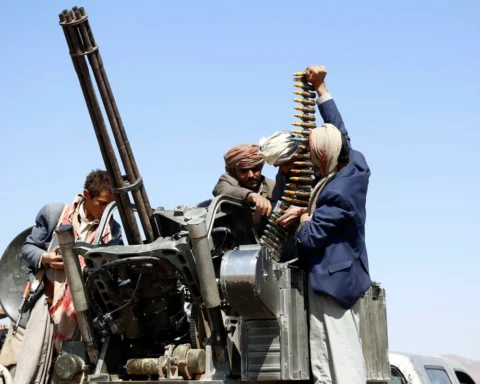
The situation along the Blue Line has moved past localized skirmishes into a full-scale humanitarian crisis. Israel’s intensified aerial and ground operations in Southern Lebanon are aimed at pushing militant infrastructure back from the northern border.
Hundreds of thousands of civilians have been ordered to move north of the Litani River. Lebanese authorities are struggling with an internal displacement crisis that is stretching already thin resources.
Israel maintains these strikes are necessary to allow its displaced northern citizens to return home, targeting launch sites and command centers.
Regional analysts fear a “permanent buffer zone” strategy, which could trigger a wider mobilization from regional allies and further destabilize the Lebanese state.
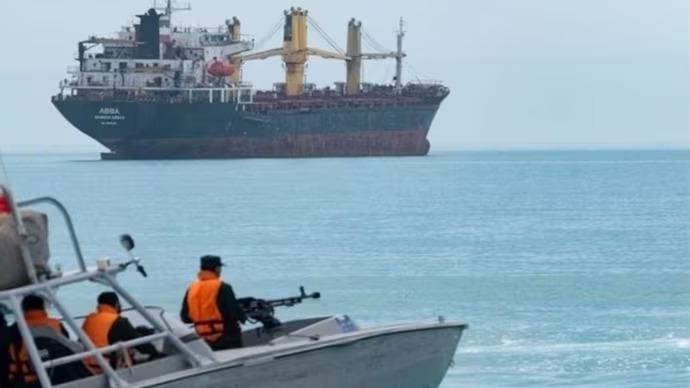
The US Treasury’s threat against Oman marks a significant shift in how the West is policing maritime trade routes. The Strait of Hormuz is the world’s most important oil transit chokepoint, and any disruption there has immediate global consequences.
Reports suggest Oman has been exploring or implementing “navigational fees” or “waterway tolls” for commercial vessels passing through its territorial waters.
The US views these tolls as a violation of the United Nations Convention on the Law of the Sea (UNCLOS) regarding “transit passage.” Washington interprets these fees as an illegal tax on global commerce and a potential “shadow blockade” orchestrated under regional pressure.
By targeting Omani financial institutions, the US Treasury aims to deter Muscat from enforcing these tolls, fearing that such a precedent would allow other nations to monetize international shipping lanes.
While the world’s eyes are on the physical conflict in Lebanon, the Treasury’s move against Oman suggests a high-stakes effort to prevent the “weaponization” of geography in the global energy market.