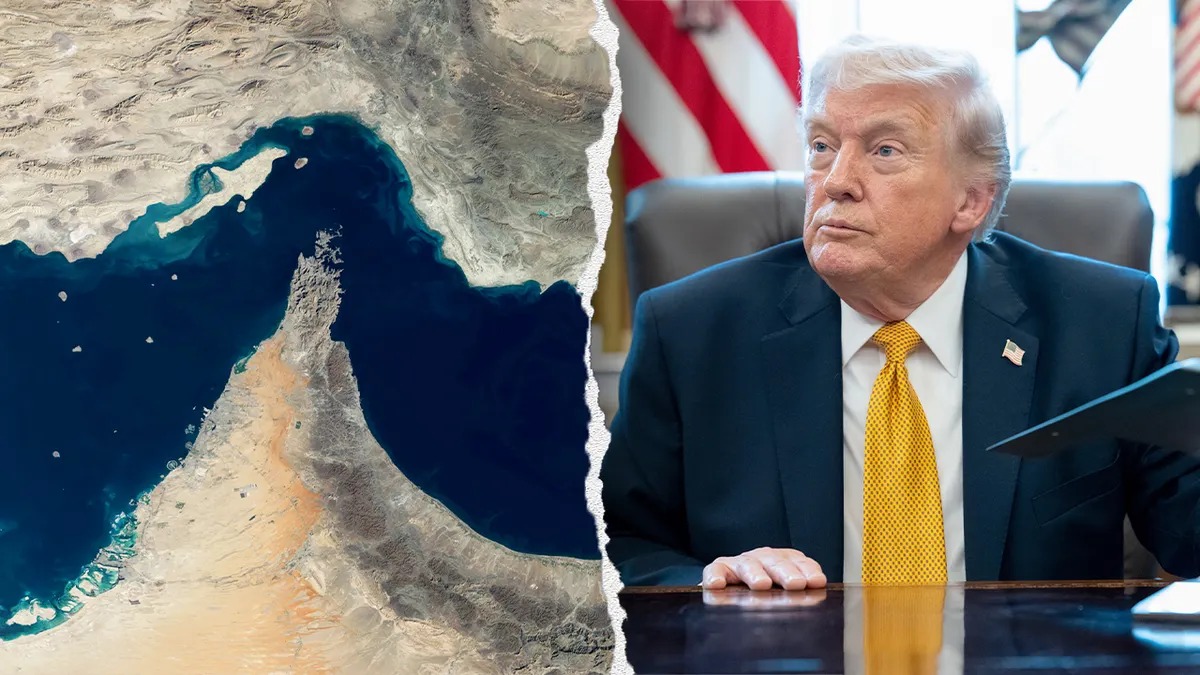
The current situation is extremely volatile, following a 48-hour ultimatum issued by President Donald Trump on Saturday, March 21, 2026, demanding that Iran “fully open” the Strait of Hormuz.
The deadline is set to expire today, Monday, March 23, 2026, at 23:44 GMT. President Trump had posted on Truth Social that if the Strait is not reopened “without threat” within the 48-hour window, the U.S. will “hit and obliterate” Iranian power plants, starting with the largest facilities.
Tehran has responded by stating it will “irreversibly destroy” essential infrastructure across the Middle East—including water desalination plants and energy grids—if the U.S. follows through. The IRGC also threatened to close the Strait “completely” (it is currently “effectively” closed due to high risk and previous strikes).
The Strait of Hormuz is a chokepoint for nearly 20% of the world’s oil. Brent crude prices have surged as high as $126 per barrel, and the International Energy Agency (IEA) has warned of a “major, major threat” to the global economy.
The ultimatum followed a weekend of escalation, including an Iranian missile strike on southern Israel that injured over 100 people and reports of Iranian missiles fired toward the U.S.-U.K. base at Diego Garcia.
The situation remains a “ticking time bomb” as the deadline approaches tonight. International leaders, including those from Russia and the U.K., have called for a “political and diplomatic settlement” to avoid a total regional infrastructure war.
Maritime experts are calling the most severe shipping disruption in modern history. Following the outbreak of conflict on February 28, 2026, the waterway is now effectively closed to nearly all commercial traffic.
Major shipping lines have officially halted or rerouted their operations due to a combination of military strikes, the withdrawal of insurance coverage, and explicit threats from the Iranian Revolutionary Guard Corps (IRGC).