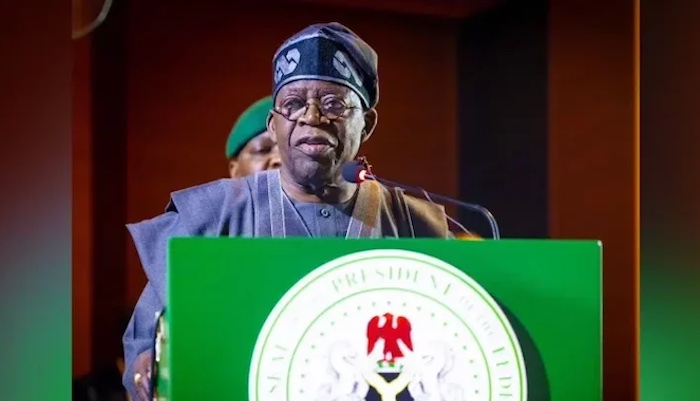
President Bola Tinubu on Tuesday inaugurated the main carriageways of the Outer Southern Expressway linking Ring Road 1 Junction to Ring Road 2 Junction in the Federal Capital Territory, describing the project as a critical step in the administration’s drive to improve infrastructure and stimulate economic growth across the nation’s capital.
The president said the completion of the major road corridor underscored his government’s commitment to delivering projects that would directly impact the lives of Nigerians through improved transportation, enhanced connectivity and increased economic opportunities.
Represented at the inauguration ceremony by Senate President Godswill Akpabio, Tinubu stated that his administration remained focused on practical governance driven by measurable results rather than empty promises.
According to him, the government was determined to ensure that citizens could physically see and experience the dividends of democracy through modern infrastructure projects capable of transforming communities and boosting economic activities.
Addressing residents, government officials and stakeholders gathered at the event, the president said the administration’s “Renewed Hope” agenda was built on hard work, sacrifice and strategic investments aimed at repositioning Nigeria for sustainable development.
“Fellow citizens, when we took the oath of office to lead this great nation, we didn’t promise shortcuts. We promised hard work,” Tinubu said.
“We promised a renewed hope that is tangible, hope that you can see, hope that you can feel, and hope that you can drive on.”
The president noted that infrastructure remained one of the strongest drivers of economic growth, explaining that modern roads and transportation networks would not only ease movement but also encourage investments, create jobs and improve commercial activities within the Federal Capital Territory and beyond.
He said the newly completed carriageways would significantly reduce travel time for commuters while opening up more areas within the capital city for residential and business development.
Tinubu further stressed that his administration viewed infrastructure as a long-term investment capable of strengthening national productivity and improving living standards for millions of Nigerians.
He added that the government would continue to prioritise projects capable of expanding economic opportunities and improving connectivity across different regions of the country.
The president also commended the Federal Capital Territory Administration and contractors involved in the execution of the project for ensuring its successful completion, urging them to maintain high standards in the delivery of public infrastructure.
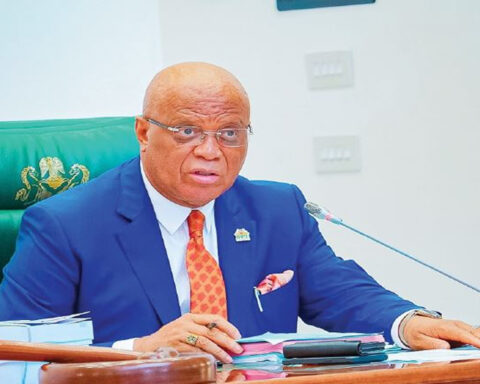
Speaking during the event, Senate President Akpabio said the road project reflected the administration’s determination to modernise the nation’s capital and provide infrastructure that meets global standards.
He stated that the road would play a vital role in easing traffic congestion and improving transportation within Abuja, particularly in rapidly developing districts connected by the expressway.
Akpabio described Tinubu as a leader committed to translating campaign promises into visible achievements, adding that the administration was steadily laying the foundation for economic transformation through strategic infrastructure investments.
Residents and commuters who witnessed the inauguration expressed optimism that the new road would ease transportation challenges and improve access to different parts of the city.
The Outer Southern Expressway is regarded as one of the key transportation corridors within the Federal Capital Territory, serving as an important link between several districts and major road networks in Abuja.
The project forms part of broader efforts by the Federal Government to expand road infrastructure in the nation’s capital amid growing population and increasing vehicular movement.
Officials said the completion of the main carriageways would help decongest traffic, improve mobility and support commercial activities around adjoining districts.
The Tinubu administration has repeatedly emphasised infrastructure development as a central component of its economic strategy, with ongoing investments in roads, rail, housing, energy and other critical sectors aimed at driving growth and improving national competitiveness.